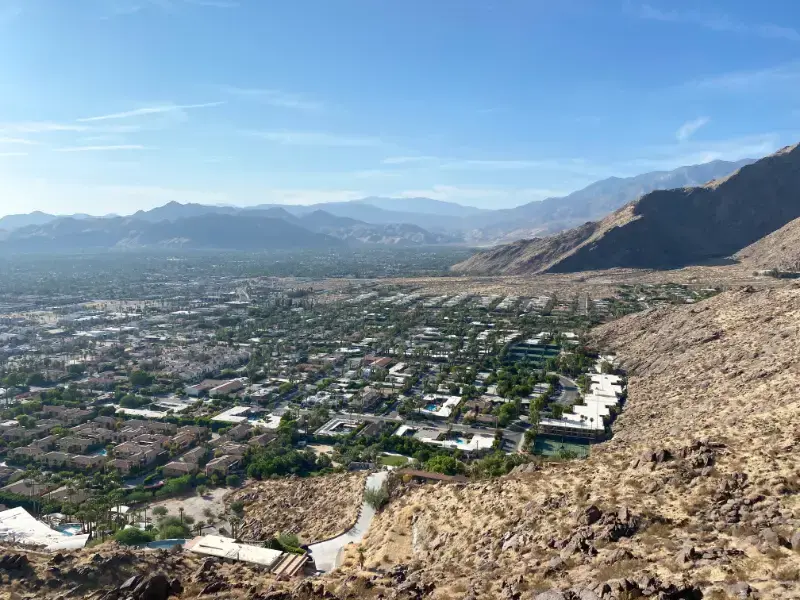
Palm Springs is often marketed as an adults’ resort escape, but it can work very well for families if you build the trip around temperature rather than around a long checklist. Pools, the Palm Springs Aerial Tramway, desert landscapes, short museum visits and a possible Joshua Tree day create enough variety for several ages. The main mistake is treating a hot desert afternoon like a mild coastal afternoon.
Start with our Palm Springs first-time guide for neighborhoods and general planning. The family version below changes the daily rhythm.
Choose the hotel for the pool, shade and room layout
With children, the hotel is part of the itinerary. A good pool, easy shade, a refrigerator and enough sleeping space often matter more than a fashionable lobby. Ask about pool hours and whether any areas are adults-only. In very hot weather, morning and evening pool time can become your most successful family activity.
A vacation rental may add a kitchen, but verify pool fencing and safety if traveling with young children.
Day 1: arrive, swim and keep expectations low
Use arrival day for a short downtown walk, early dinner and pool time. Children often need to decompress after the drive. Avoid turning the first afternoon into a rushed tramway visit unless the timing genuinely works. Palm Springs is better when the itinerary has a resort pace.
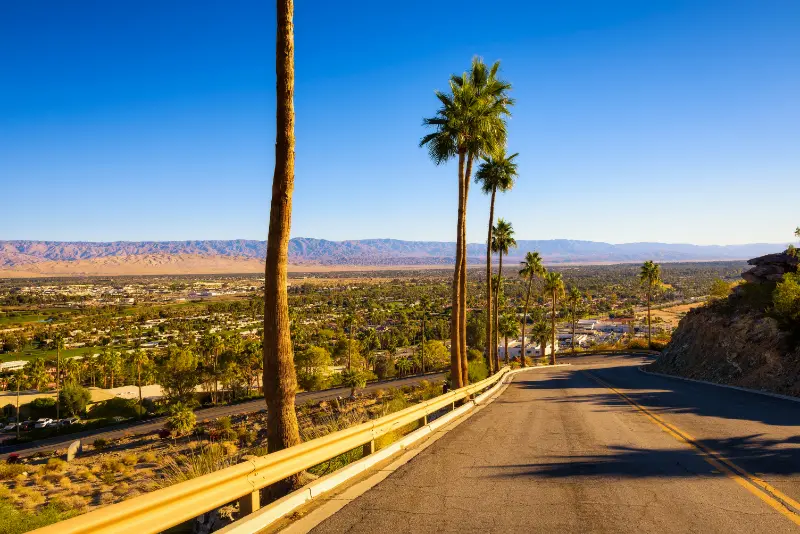
If temperatures are high, use air-conditioned indoor stops during the middle of the day and save outdoor exploring for morning or evening.
Palm Springs Aerial Tramway with children
The tramway is one of the most useful family experiences because it carries you from the desert floor into a much cooler mountain environment. The temperature difference can be dramatic, so bring layers even when Palm Springs itself is hot. The tram cars rotate during the ride, which some children find exciting and others may find disorienting.
As of October 2026, the tramway is scheduled to reopen after its annual maintenance closure on October 5. Hours and prices change, so check the official Palm Springs Aerial Tramway site before traveling.
What to do at the top
Do not assume you need a long hike. The mountain station, viewpoints and short nature walks may be enough for younger children. Weather at elevation can include wind, snow or much cooler temperatures than downtown. Families with a stroller should verify current accessible routes and surface conditions.
Give children time to notice the dramatic change in vegetation and air rather than treating the tram as only a ride.
Day 2: tramway plus a relaxed afternoon
Take the tram earlier in the day, eat lunch either on the mountain or after returning, then schedule pool/rest time. Later, choose a short downtown activity or casual dinner. This may look “too easy” on paper, but it prevents the desert heat from turning the second half of the day into a family endurance test.
Older children may enjoy architecture spotting, a short bike ride in mild weather or a museum.
Children’s Discovery Museum and indoor options
The Coachella Valley has family-oriented indoor attractions and museums that become especially valuable in hot weather. Always check opening days before promising a specific stop because museum schedules can be more limited than major theme parks. Build one indoor backup into every summer day.
Even a simple library, café or hotel break can be smarter than continuing outdoors at midday.
Day 3: Joshua Tree or a local desert day?
Joshua Tree can be an excellent family day trip in cooler seasons, but it is not automatically appropriate in extreme heat. If you go, leave early, bring more water than you expect to use and choose short walks. Our Joshua Tree with kids guide gives a family-specific plan.
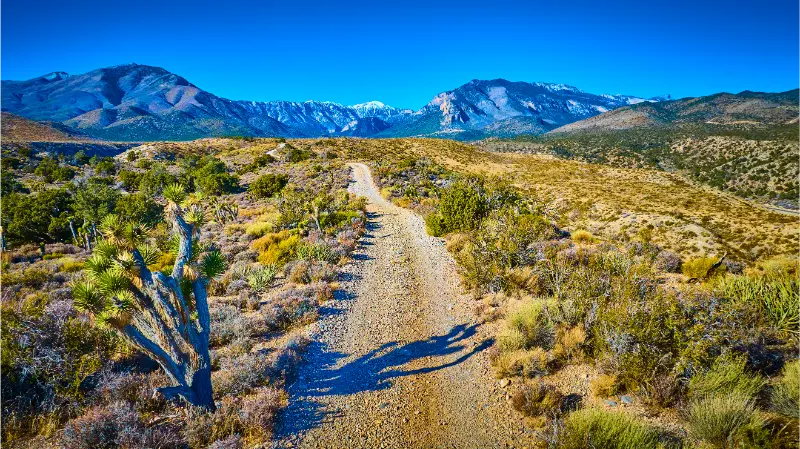
If heat, wind or driving fatigue makes the park a poor choice, stay local. A second pool morning, tramway alternative, museum and early dinner can produce a better family memory than forcing a national-park day.
Best age groups for Palm Springs
Toddlers can enjoy pools and short rides but need the strongest heat protection. School-age children often enjoy the tram, desert geology and short nature walks. Teenagers may appreciate hotel pools, vintage shopping, architecture and a day in Joshua Tree. The destination becomes easier when you stop asking every age to enjoy the same thing for the same amount of time.
Give older children one decision each day, such as choosing lunch or a short activity.
Food strategy with kids
Reserve dinner during busy weekends if you care about a specific restaurant, but keep at least one simple meal each day. Large breakfasts and heavy lunches can feel uncomfortable in desert heat. Carry snacks and refillable water bottles, and do not wait for children to ask for water.
If your room has a refrigerator, keep fruit, yogurt and simple breakfast food available. That can save the morning when everyone wakes at different times.
Heat safety
Desert heat deserves more respect than an ordinary warm day. Limit midday outdoor activity, use hats and sunscreen, seek shade and air conditioning, and watch for unusual fatigue. Cars heat rapidly; never leave a child or pet in a parked vehicle. Outdoor playground equipment can also become extremely hot to the touch.
In summer, your best itinerary may be outdoor time before 10 a.m., indoor/rest time through the afternoon, then pool or walking again toward evening.
Families with grandparents
Palm Springs can be an excellent multigenerational base because the trip can combine shared meals and pool time with optional activities. Choose a hotel where grandparents do not need to walk long distances from parking to rooms. The tramway is accessible in many core areas, but verify specific needs directly.
Do not make every family member join a hot desert hike. A split morning followed by lunch together can keep the trip enjoyable for everyone.
Common family mistakes
Common mistakes include booking a beautiful hotel with no shade, planning Joshua Tree at midday in hot weather, forgetting layers for the tramway, overscheduling restaurants, and assuming children will happily spend four hours looking at architecture. Another mistake is choosing a remote rental that requires driving for every snack and meal.
Palm Springs is a resort-and-desert trip. Let both parts matter.
A realistic 3-day family itinerary
Day 1: arrival, pool, short downtown walk and early dinner. Day 2: Aerial Tramway, lunch, rest/pool and one indoor or evening activity. Day 3: early Joshua Tree family visit in suitable weather, or a local museum/pool/desert day when conditions are better for staying close.
That pacing is intentionally light. With children in the desert, unstructured time is not wasted time; it is what keeps the useful parts of the itinerary enjoyable.
Best way to combine Palm Springs with a wider California trip
Palm Springs works naturally between Los Angeles/Orange County and Joshua Tree. It does not need to be a one-night stop squeezed between two long driving days. Families often enjoy two or three nights because a pool afternoon creates genuine rest between theme parks or city sightseeing.
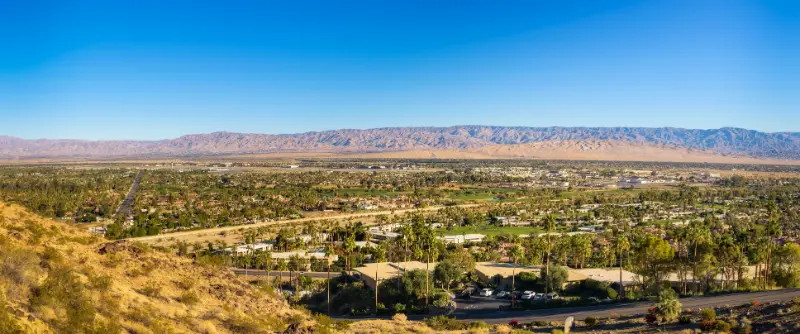
If the wider itinerary already includes Death Valley, avoid adding too many consecutive desert days in hot seasons. Mix environments: coast, city, desert and mountains can keep children more engaged.
One final planning check
Before travel, reopen official pages for the places in this guide and verify hours, reservations, road conditions, weather and seasonal closures. California conditions change quickly, especially on mountain roads, coastal highways and at heavily visited attractions. Treat the itinerary as a framework, not a promise that every stop will operate exactly as it did when you first saved the article.
Keep one flexible block in the day and decide in advance which stop is optional. That small decision makes it much easier to adapt without turning a delay into a stressful family discussion.
Budget and timing buffer
Keep a buffer in both time and money for parking, food, entrance fees, fuel and last-minute transportation. California distances and queues can remove an hour from a plan very quickly. Download confirmations, key addresses and offline maps before leaving reliable Wi-Fi, and avoid storing visible luggage in a parked car.
The best travel days usually have one or two fixed anchors and several flexible pieces around them. A shorter plan that survives real conditions is more useful than a perfect timetable that collapses after the first delay.
How to keep the plan flexible without losing the day
Choose one experience that defines the day and protect the time around it. If weather, traffic or a closure changes the plan, drop the least important stop instead of moving every activity later. This is especially useful in California, where mountain roads, coastal construction, theme-park queues and city traffic can make a carefully timed schedule unrealistic within minutes.
Keep a second option in the same general area rather than driving across a region to replace a canceled activity. Families should know where the next restroom and easy meal are; older travelers may appreciate a nearby seated break; road trippers should keep enough daylight for the final drive. A good backup plan does not need to be exciting on paper. Its purpose is to preserve the quality of the day when the original plan changes.