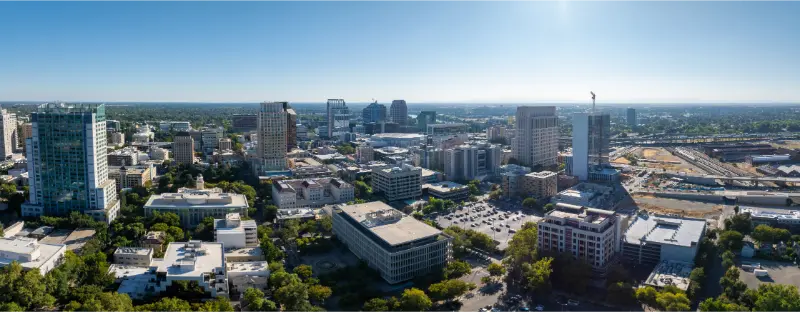
Sacramento is easy to underestimate because many California itineraries race between San Francisco, Yosemite, Lake Tahoe and the coast. The state capital rarely receives the same bucket-list attention, yet it can be one of the easiest cities to enjoy without a punishing schedule.
Two days is enough for a first visit. The strongest version combines California history around the Capitol, the riverfront and Old Sacramento, then uses the second day for museums, Midtown, food and one outdoor element. It is particularly useful for travelers who want a city break between more demanding road-trip sections.
| Ideal stay | 2 days |
|---|---|
| Best for | California history, museums, families, food and a slower city stop |
| Car needed? | Not for the central core; useful for wider day trips |
| Best pairing | San Francisco, Gold Country or Lake Tahoe |
| Best planning idea | Keep the first day compact and mostly on foot |
Where to stay
Downtown is best for a first visit focused on the Capitol and central attractions. Midtown works well for restaurants, cafés and a more neighborhood-oriented evening. The riverfront/Old Sacramento area can be convenient for historic sights but may feel more visitor-focused.
If you have a car, compare hotel parking costs before booking. Sacramento is easier to navigate than Los Angeles, but you still do not need to drive between every central attraction.
Day 1: California State Capitol and the historic riverfront
Start with the California State Capitol Museum. As of October 2026, the official museum site lists free admission and weekday opening hours from 9 a.m. to 5 p.m.; because schedules can change around government business, holidays and special circumstances, verify your exact date before building the morning around it.

Allow time for Capitol Park as well as the building. Even visitors who are not interested in politics can use the site to understand California’s history, symbols and civic architecture. If you want a guided tour, check the current schedule rather than assuming spaces will be available on arrival.
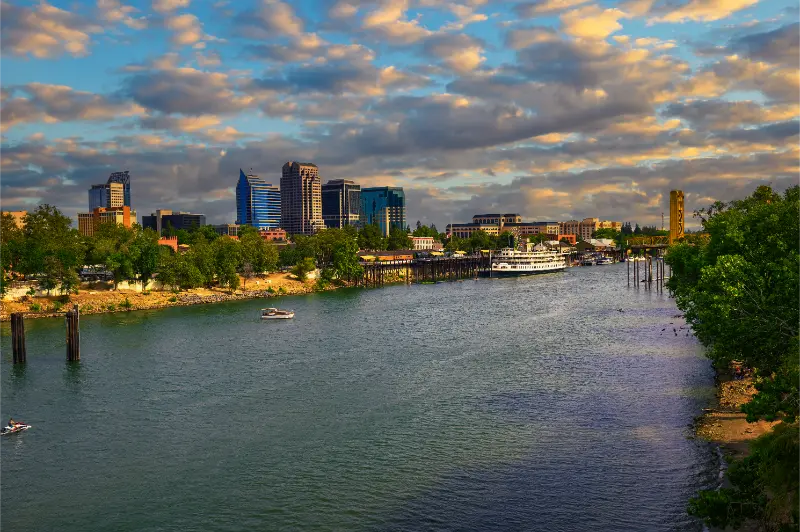
In the afternoon, move toward Old Sacramento and the waterfront. The historic district works best when you see it as a preserved commercial area and museum cluster rather than a theme park. Walk the wooden sidewalks, choose one museum if it interests you and spend time by the Sacramento River.
Day 2: railroad history, Midtown and local neighborhoods
Families and transport enthusiasts can give the California State Railroad Museum a substantial part of the morning. If that is not your interest, use the time for another museum, public art, a relaxed river walk or a longer breakfast before exploring Midtown.
Midtown changes the pace. It is where Sacramento feels more like a lived-in city, with restaurants, bars, coffee shops, murals and leafy streets. The goal is not to identify one famous landmark on every block; it is to spend a few hours at neighborhood scale.
If weather is comfortable, finish with an outdoor walk or bike ride near the river or in a park rather than adding another indoor attraction simply because there is time on the clock.
Is Sacramento worth a stop on a California road trip?
Yes, particularly if the route already passes through Northern California and you want a break from long scenic drives. Sacramento is more useful as a two-night stop than as a two-hour detour. A rushed visit often reduces the city to Old Sacramento and misses its strongest advantage: an easy, livable pace.
It also provides practical contrast before Lake Tahoe or the Sierra Nevada, where driving, altitude and outdoor logistics require more attention.
Sacramento without a car
A central two-day trip is possible without a car. Downtown, Midtown and Old Sacramento can be connected by walking, local transit and short rides. This makes Sacramento a useful option for travelers arriving by train or anyone who would rather rent a car only for the next road-trip stage.
If your hotel is far outside the center, however, the savings may disappear through repeated rides. Location matters more than the city’s overall size.
Sacramento with children
The city works especially well for school-age children because transportation history, Gold Rush context and the State Capitol can turn abstract California history into physical places. The trick is not to stack museums all day. Pair one substantial museum with riverfront time, a park or a hotel pool.
Young children may enjoy trains and open spaces more than a detailed Capitol tour. Build the day around their tolerance rather than adult completionism.
Older travelers and limited mobility
Sacramento’s central grid and relatively flat terrain can make it easier than California’s hillier cities. Distances can still accumulate, especially between museums and neighborhoods, so use short rides strategically. Historic surfaces in Old Sacramento may be less smooth than modern sidewalks.
If accessibility is essential, check individual museums for entrances, seating and tour arrangements. Do not assume historic buildings have identical access.
Best time to visit
Spring and autumn are especially attractive for walking. Summers can be very hot, which changes the ideal schedule: start outdoor sightseeing earlier, use museums during the hottest hours and return outside in the evening. Winter is cooler and can be rainy but is often manageable for a city-focused trip.
Temperature matters more here than the generic label “California weather.” Sacramento’s inland climate is very different from San Francisco’s summer fog or the immediate coast.
Food: use Sacramento’s agricultural identity
Sacramento promotes itself as America’s Farm-to-Fork Capital, and the surrounding agricultural region genuinely shapes the food scene. You do not need a tasting itinerary to benefit from this. One local market, seasonal restaurant or neighborhood meal can add more to the visit than chasing a long list of “must-eat” dishes.
Midtown and downtown make it easy to keep dinner within walking distance of many hotels, which is another reason to stay centrally.
From Sacramento to Lake Tahoe
Sacramento is a logical staging point for Lake Tahoe, but road conditions can change quickly in winter. Do not treat a map’s normal drive time as a guarantee during storms. Check road and chain-control information before leaving.
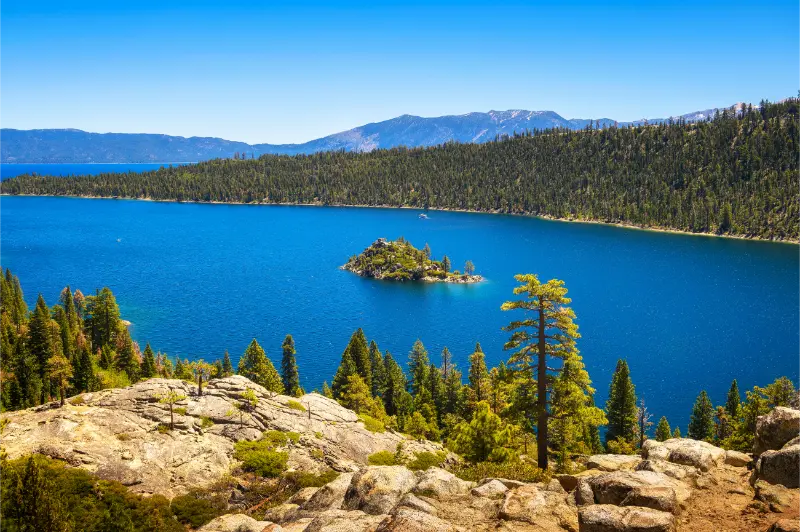
Our Lake Tahoe first-time guide covers seasonal access, choosing North versus South Shore and winter planning.
From Sacramento to San Francisco
Combining the capital with San Francisco creates a useful contrast between a lower-key inland city and one of California’s densest visitor destinations. If you are returning a rental car, consider whether you actually need it in San Francisco, where parking can be expensive and public transport more useful.
See our San Francisco 3-day guide before deciding where the car fits into the route.
What to book in advance
Accommodation should be booked early for major events and busy weekends. Museum or tour reservations depend on the institution and date. The Capitol deserves a current check because public access and guided programming can be affected by official activity.
Restaurants matter less unless you have a specific high-demand place in mind. Keeping one evening flexible suits Sacramento well.
Common mistakes
The first is giving the city only a lunch stop. The second is visiting only Old Sacramento and concluding that the whole city is historic tourism. The third is driving between every central sight. The fourth is underestimating summer heat. The fifth is using Sacramento as a base for repeated long day trips when moving on would be more efficient.
Official information
Use Visit Sacramento for current events and visitor information and the California State Capitol Museum for official hours, tours and access updates.
What to do if the Capitol is closed on your visit
A weekend or holiday should not make Sacramento a poor choice. If interior access to the Capitol is unavailable, use Capitol Park and the surrounding civic district as an outdoor historical stop, then give more time to Old Sacramento, the railroad museum, Midtown and the riverfront. The city is broad enough that one building does not determine whether the trip succeeds.
This is also why a two-day stay is better than a rushed half-day. Government schedules, museum closures and seasonal events can change, but a flexible city itinerary can absorb them. Check opening days before travel and move your indoor museum day to whichever date has the strongest availability.
A third day if you have more time
With a third day, do not simply add more central museums. Consider a focused excursion into Gold Country, a longer bike or river day, or an early start toward Lake Tahoe. Sacramento is a useful base, but the third day should widen the trip rather than repeat the first two.
If you are continuing east, use the extra night to leave rested and in daylight, particularly in winter. If you are continuing west to San Francisco, you can keep the morning relaxed and arrive after the commuter peak rather than racing out before breakfast.
Final advice
Sacramento does not need to compete with Yosemite or San Francisco to justify its place on a California itinerary. Its value is different: history that is easy to access, a walkable central core, good food and a lower-pressure pause between more demanding destinations. Give it two days and let that slower rhythm be the reason you stop.