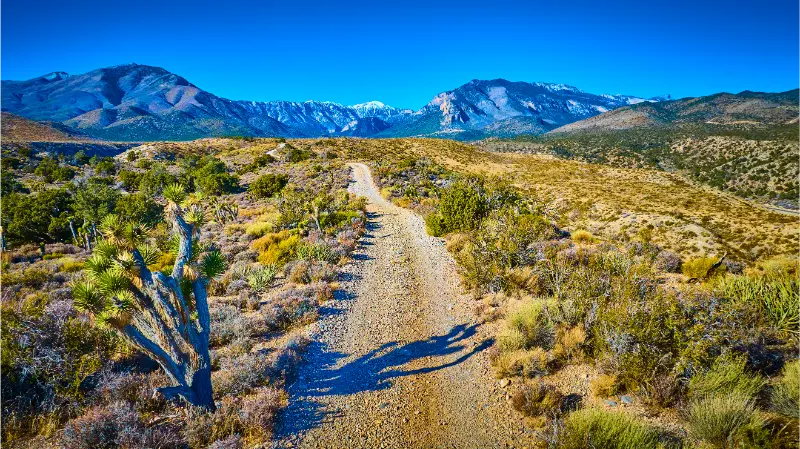
Joshua Tree National Park looks simple on a map: a few roads, strange trees, giant boulders and a wide desert sky. In practice, first-time visitors often make one of two mistakes. They either treat it as a quick photo stop between Los Angeles and Palm Springs, or they underestimate how exposed, spread out and weather-dependent a desert park can be.
The park is much better when you give it enough time to slow down. The most memorable moments are often not a famous viewpoint but the change in landscape between the higher Mojave Desert and the lower Colorado Desert, the silence after sunset, the scale of the rock formations and the way the light changes in the final hour of the day.
How many days do you need in Joshua Tree?
One full day is enough to see the main road-accessible highlights. Two days is better if you want short hikes, sunrise or sunset, and time to enjoy the desert rather than simply move from parking lot to parking lot. Three days makes sense for hikers, climbers, photographers or travelers using the area as a slower break between Los Angeles, San Diego and the Coachella Valley.
If you only have half a day, choose one side of the park. Trying to cross the entire park, hike and stop repeatedly in four or five hours usually turns into more driving than exploring.
Where should you stay?
Joshua Tree village is convenient for the West Entrance and has a creative, low-key atmosphere. Twentynine Palms is useful for the North Entrance and can be a smart choice if the West Entrance is busy. Palm Springs has far more hotels, restaurants and resort facilities, but it is better for travelers who see Joshua Tree as a day trip rather than the center of the stay.
For a first visit, I prefer sleeping close to the park for at least one night. It makes sunrise, sunset and early hiking much easier and removes the temptation to drive back through the desert after a very long day.
Understand the entrances before you build the route
Joshua Tree has several entrances, and a good route does not need to finish where it started. The West Entrance is the most obvious approach from Palm Springs and Los Angeles and can become congested at popular times. The North Entrance near Twentynine Palms is often useful for creating a one-way sightseeing loop. The South Entrance connects toward Interstate 10 and enters through the lower Colorado Desert, where the landscape initially looks very different from the classic Joshua-tree scenery.
If your road trip continues east or west, crossing the park can save backtracking. If you are staying in the same town for two nights, use different entrances on different days when that makes your itinerary easier.
Do you need a reservation?
As of 2026, the National Park Service states that advance reservations are not required simply to enter Joshua Tree National Park. You do need an entrance pass, and campground or special-tour reservations follow separate rules. Most reservable campgrounds can fill during popular weekends and spring travel periods, so camping should be planned earlier than a normal hotel stay.
Rules can change, especially around camping and special activities. Before departure, check the official Joshua Tree permits and reservations page.
The best first-day route
Start early, especially from autumn through spring when the most popular trailheads and picnic areas become busy. A practical first day can combine Hidden Valley, Barker Dam, Keys View, roadside rock formations and Skull Rock. The point is not to stop at every named rock. Choose two short walks, two or three viewpoints and enough unscheduled time to explore the boulder landscape at your own pace.
Hidden Valley is a very good introduction because it puts you inside the rock formations rather than leaving you beside the road. Barker Dam offers a different environment and some cultural history, although water levels vary. Keys View is worth considering near the end of the day when visibility is good, but wind and temperature can be very different from lower areas.
Day two: the park beyond the classic Joshua trees
On a second day, drive farther east toward Arch Rock and the Cholla Cactus Garden. This side of the park is valuable because it shows that Joshua Tree is not one uniform landscape. Elevation changes, vegetation changes, and eventually the Joshua trees largely disappear.
The Cholla Cactus Garden is a short stop but deserves caution. The cactus segments detach easily and can be extremely painful to remove. Stay on the established path and give children plenty of space. A short visit is enough to appreciate the density of the plants without turning the stop into an unnecessary risk.
If you are continuing toward Interstate 10, this is the natural day to exit from the south. If you are returning to Joshua Tree village or Twentynine Palms, allow more time than the navigation app suggests because scenic stops quickly add up.
When is the best time to visit?
For most people, the comfortable season is roughly autumn through spring. Winter days can be pleasant, but nights can be genuinely cold. Spring brings popular hiking weather and, in some years, desert wildflowers. Summer is a very different trip: daytime heat can make ordinary walks dangerous and turns a flexible sightseeing day into a carefully managed heat-safety exercise.
If Joshua Tree is one part of a larger trip, compare it with our guide to the best time to visit California. The ideal month for the desert may not be the ideal month for Yosemite or the High Sierra.
What first-time visitors underestimate
There are no normal city services inside the park. Fill the fuel tank before entering. Bring drinking water, food and any medication you may need. Mobile service is unreliable in many areas, so download maps before you leave town. Do not plan to solve a forgotten-water or low-fuel problem once you are deep in the park.
The sun is not the only weather issue. Wind can be strong, winter temperatures can fall quickly after sunset, and the desert can feel much colder than Palm Springs at night. Bring layers even if the afternoon forecast looks comfortable.
Distances matter. A stop that looks close can still involve twenty or thirty minutes of driving, parking and walking. Build a day around clusters, not a long wish list.
Joshua Tree with children
Joshua Tree can work very well for children because many of the most impressive landscapes do not require long hikes. The challenge is exposure: little shade, rough ground and long stretches without services. Families should favor early hours, short walks and frequent water breaks.
Young children usually enjoy the boulders and unusual trees more than a long interpretive hike. Older children and teenagers may enjoy scrambling, but the difference between casual scrambling and technical climbing is important. Do not follow other visitors onto exposed rock simply because the route looks easy from below.
For a broader family route, see California with kids: how to build a realistic family trip.
Joshua Tree for older travelers and limited mobility
You can experience a surprising amount of Joshua Tree from scenic roads, overlooks and short approaches. Travelers who do not want long hikes should build the day around Keys View, roadside formations, picnic areas and the shortest established nature trails. The exact accessibility of individual paths and facilities can change, so check current NPS accessibility information before relying on a specific trail.
The most important planning choice is pace. In a desert environment, a slower day with four good stops is often more enjoyable than trying to complete eight.
Sunrise, sunset and stargazing
Joshua Tree is especially beautiful at the edges of the day. Sunrise has the advantage of lighter traffic and cooler temperatures. Sunset creates dramatic light on the rocks, but it also means many visitors leave at the same time. If you stay for stars, carry a flashlight, know exactly where your car is parked and avoid wandering across open desert after dark.
If you are uncomfortable driving unlit desert roads, enjoy the sunset from a location closer to your exit and return to town before the night becomes fully dark.
How to combine Joshua Tree with a California road trip
Joshua Tree combines naturally with Palm Springs and the Coachella Valley. It can also fit between Los Angeles and Arizona, although the driving day becomes longer. From San Diego, it works best with an overnight rather than an ambitious same-day return.
Do not force Joshua Tree into the classic San Francisco–Yosemite–Los Angeles itinerary if your trip is already full. California rewards geographic focus. Our 10-day California road trip explains why fewer long transfers usually create a better first visit.
A realistic two-day Joshua Tree plan
Day 1: enter early, walk Hidden Valley, explore the Barker Dam area, have a picnic, stop at selected rock formations, then finish at Keys View or another sunset location that fits your exit.
Day 2: start with a second short trail, continue toward Arch Rock and the Cholla Cactus Garden, then either exit south toward Interstate 10 or return north with a relaxed lunch in Twentynine Palms.
This schedule deliberately leaves empty space. That is not wasted time. The park is at its best when you can stop because the light, rocks or landscape look interesting rather than because a list tells you the next attraction is mandatory.
Final planning checklist
Before entering, confirm the weather, current road conditions, fuel level, water supply and sunset time. Download your maps and keep an offline copy of the official park information. If you are camping, confirm the specific campground rules rather than assuming all campgrounds operate the same way.
Joshua Tree is not difficult to visit, but it rewards preparation. Give the desert enough time, resist the urge to collect every landmark, and the park becomes much more than a few famous trees beside a road.