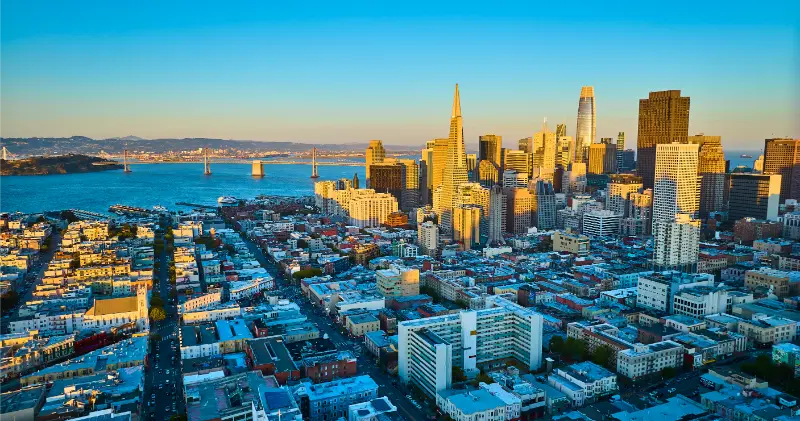
San Francisco is compact by California standards, but it is not effortless. Hills, microclimates, busy attractions and neighborhoods with completely different characters can make a short visit feel fuller than the map suggests. The good news is that you usually do not need a car to enjoy the city.
For a first visit, three days is an excellent amount of time. It allows the classic waterfront and Golden Gate sights, several neighborhoods and one major timed experience without turning the trip into a race.
Where to stay for a first visit
Union Square and nearby areas
This can be practical for central hotels and transport links, though the character changes quickly from block to block. Check the exact street and recent reviews before booking, especially if you expect to walk back late at night.
Fisherman’s Wharf / Marina side
The waterfront is convenient for first-time sightseeing, families and ferries. It is tourist-oriented, but that can be useful for a short stay. The Marina and Cow Hollow areas offer a more residential feel while remaining close to northern waterfront sights.
Embarcadero
A strong choice for travelers who value waterfront walks, ferry access and a flatter environment. It can be particularly appealing for older visitors or anyone who prefers to minimize steep hills.
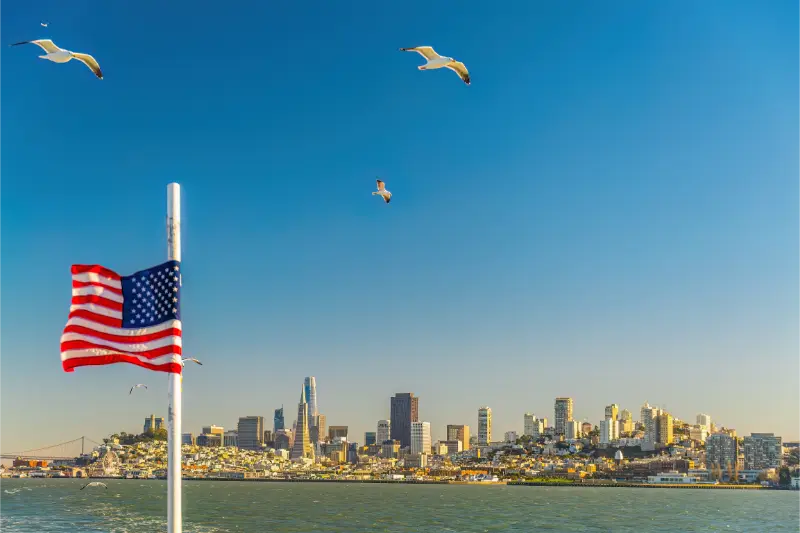
Neighborhood stays
North Beach, Hayes Valley, the Mission and other neighborhoods can provide more local atmosphere. They make sense when you know what you want from the city and are comfortable navigating transit rather than staying beside the most famous sights.
Do not rent a car for central sightseeing unless you truly need one
Parking is expensive and often inconvenient. Public transport, walking, taxis and ride-hailing usually cover a first-time city itinerary better. If San Francisco is the start of a California road trip, collect the rental car on the morning you leave for Yosemite, Monterey or wine country.
This also avoids the worry of leaving luggage in a parked vehicle. Car break-ins are a real concern in tourist areas; never leave bags or valuables visible inside a car.
Understand the hills before you plan the day
A route that looks like a 20-minute walk can involve a steep climb. For travelers with limited mobility, use transit to reach higher areas and plan more time around flatter zones such as the Embarcadero, Marina waterfront and much of Golden Gate Park.
San Francisco weather also changes by neighborhood and time of day. Bring a light layer even when the wider Bay Area forecast looks warm. Wind near the water can make a mild temperature feel much cooler.
Day 1: waterfront, North Beach and a cable car
Start at the Ferry Building and walk part of the Embarcadero. This is a gentle way to understand the bay, and it works well after a travel day because the route is relatively flat. Continue toward Pier 39/Fisherman’s Wharf if those classic sights interest you.
Use the afternoon for North Beach and Chinatown. These areas are close enough to combine without a major transfer, and the contrast between them is part of the San Francisco experience. If you want to ride a cable car, make it part of the route rather than a separate attraction you cross the city to reach.
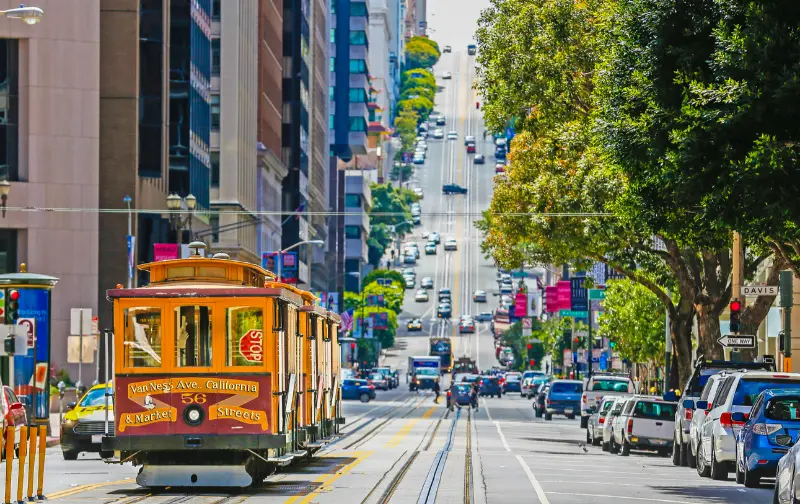
End the day with dinner in North Beach, Chinatown or near your hotel. There is no benefit in crossing the city again simply to eat at a restaurant on a list.
Day 2: Golden Gate Bridge, Presidio and Golden Gate Park
Use the morning for the Golden Gate Bridge and Presidio area. Choose a viewpoint that suits the weather and the mobility of your group. Walking part of the bridge can be memorable, but wind and fog can change the experience quickly.
The Presidio itself deserves time, with scenic overlooks, historic sites and open space. From there, continue to Golden Gate Park if museums, gardens or a slower afternoon appeal to you. Do not assume the park is small; it stretches for miles.
Families may prefer the California Academy of Sciences or playground time. Art-focused visitors can spend longer at the de Young. If you are not a museum person, use the park for gardens, walking and a calmer afternoon after the exposed waterfront.
Day 3: Alcatraz or neighborhoods
Option A: Alcatraz
If Alcatraz is important to you, make it the anchor of Day 3. Buy tickets only through the official concession information linked by the National Park Service, and reserve well ahead during busy periods. The ferry trip also provides excellent views of the skyline and bay.
The island involves slopes and uneven historic surfaces, although accessibility services are available. Check the official Alcatraz planning page for current details, ferry procedures and accessibility information.
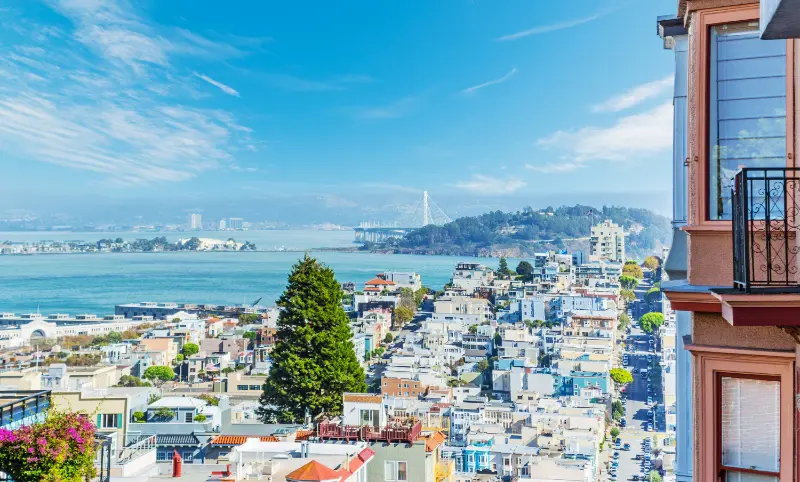
Option B: Mission, Castro and local neighborhoods
If you skip Alcatraz, spend the day exploring neighborhoods. The Mission offers murals, food and street life; the Castro adds LGBTQ+ history and a strong neighborhood identity; nearby parks provide a different view of the city. Choose two areas and walk them properly rather than jumping between five.
What about Lombard Street?
The crooked section of Lombard Street is a classic quick stop, but it does not need to dominate the itinerary. Pair it with Russian Hill, North Beach or a cable-car route. Visiting early can reduce crowd pressure.
Golden Gate Bridge viewpoints: pick one or two
You do not need every viewpoint. Crissy Field gives a lower waterfront perspective and a pleasant walk. Battery-area viewpoints offer dramatic bridge angles. Across the bridge, Marin viewpoints can be spectacular but are easier with a car and can be busy or weather-dependent.
If you are staying car-free, focus on viewpoints accessible within the city rather than renting a car for one photograph.
How to use public transport intelligently
Muni buses, light rail, streetcars and cable cars cover much of the city. Use a current journey planner and the official SFMTA fare information because products and prices can change. Cable cars are part of the transport system but are also a popular tourist experience, so queues can be longer at terminal stops.
The most useful trick is to plan by zones. If you are at the Embarcadero, continue to North Beach/Chinatown. If you are in the western side of the city, combine Golden Gate Park with Ocean Beach or nearby neighborhoods. Transit is most efficient when it prevents a steep climb or a cross-city transfer, not when it replaces every short walk.
San Francisco with children
Keep one “wow” activity each day and leave space for parks, cable cars, ferries and snacks. Children often enjoy the movement of the city as much as the museums. The waterfront, Golden Gate Park and ferry rides create natural breaks from indoor attractions.
Do not combine Alcatraz, a long museum visit and a steep neighborhood walk in one day. The city is stimulating and can be tiring, especially with jet lag.
San Francisco for older travelers or limited mobility
The city can still work very well with careful routing. Stay near a flatter area, use buses or ride-hailing for hills, and choose viewpoints with nearby drop-off points. The Embarcadero, Ferry Building, waterfront and many museums are easier than steep residential streets.
For Alcatraz, Golden Gate Park museums and other major sites, check official accessibility pages before booking. Conditions such as elevator maintenance or temporary construction can matter more than generic advice.
Food: use neighborhoods rather than “best restaurant” lists
San Francisco’s food is one of its strengths, but chasing a single famous restaurant across town can waste time. Build meals into the area you are already exploring: dim sum around Chinatown, Italian traditions in North Beach, Mexican food in the Mission, seafood at the waterfront, or contemporary dining in many residential neighborhoods.
Day trips: which one should you add?
- Muir Woods: giant redwoods close to the city; reservations are required for parking/shuttle arrangements, so plan ahead.
- Sausalito: easy to combine with a ferry or Golden Gate outing.
- Napa/Sonoma: better with a full day and a transport plan that avoids drinking and driving.
- Monterey/Carmel: too far for a relaxed day trip if it is also the next stage of your road trip—sleep there instead.
Common first-time mistakes
- Bringing a rental car into the city for no reason. Parking can cost more than the convenience is worth.
- Ignoring the hills. Plan routes around elevation, especially for children and older travelers.
- Expecting summer heat. San Francisco can be cool, windy and foggy even when inland California is hot.
- Booking Alcatraz too late. Popular times can sell out.
- Spending all three days at the waterfront. The neighborhoods are where the city becomes more interesting.
How San Francisco fits a California road trip
Three nights at the start of a 10-day California road trip is ideal because you can explore without a car, then leave directly for Yosemite or the Central Coast. If your trip is entirely Northern California, add more time for redwoods, wine country, Sacramento or the coast rather than rushing south.
San Francisco rewards a slower pace. Ride one cable car, not every line. Choose one bridge viewpoint, not five. Spend an extra hour in a neighborhood you like. In a city famous for landmarks, the spaces between them are often what make the visit memorable.