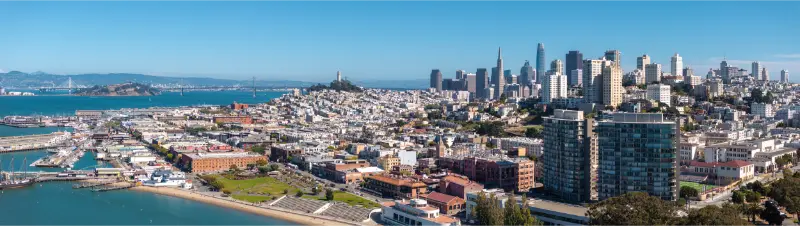
San Francisco is compact compared with Los Angeles, but choosing the right neighborhood still changes the feel of a trip. The city has steep hills, microclimates, busy tourist zones, quiet residential districts and transit lines that can make two hotels with similar prices very different in practice.
The good news is that you usually do not need a car. San Francisco Travel describes the city as a place where compact geography and public transportation make neighborhoods easy to combine, and that is the right starting point for accommodation planning. The more useful question is not “Which hotel is closest to everything?” but which neighborhood gives you the easiest start and finish to each day?
This guide compares the areas I would shortlist for a first visit and explains the trade-offs for families, couples, older travelers, food-focused trips and visitors who want to minimize hills.
Quick comparison of the main areas
| Neighborhood | Best for | Main compromise |
|---|---|---|
| Union Square | Hotels, shopping, central transit | Busy commercial atmosphere |
| Fisherman’s Wharf | Families, waterfront sights, first-time convenience | Touristy and less local in the evening |
| Embarcadero | Waterfront, Ferry Building, flatter walks | Can be expensive and quiet late |
| Nob Hill | Classic San Francisco character | Steep approaches |
| North Beach | Restaurants, cafés, evening atmosphere | Less hotel choice and some hills |
| SoMa | Museums, conventions, modern hotels | Experience varies greatly by block |
| Marina / Cow Hollow | Golden Gate access, younger social scene | Less direct BART access |
Union Square: easiest hotel search and strong transit
Union Square remains one of the simplest places for a first-time visitor to start looking because the hotel supply is large and several transport options converge in the wider downtown area. San Francisco Travel specifically notes Union Square as a major hotel zone and transit hub, which explains why it appears so often in package deals and city itineraries.
The strength is convenience rather than romance. You can reach many neighborhoods without a car, and arrivals from the airport can be straightforward if you plan around BART and your luggage. The compromise is that the immediate area feels commercial. If your ideal San Francisco morning means a quiet café on a residential street, another neighborhood may suit you better.
Fisherman’s Wharf: very practical for families
Fisherman’s Wharf is touristy, but dismissing it for that reason can be a mistake—especially with children. Pier 39, waterfront walks, ferries, sea lions, cable cars and the departure area for Alcatraz are all convenient. When a family has only two or three days, reducing transfers can matter more than staying in the neighborhood with the most local nightlife.
The area can also be relatively forgiving for travelers who prefer flatter waterfront walks, although San Francisco’s hills begin quickly once you head inland. Prices can be high, and dinner choices immediately around the busiest attractions may feel visitor-oriented. Walk a little toward North Beach for a different atmosphere.
If Alcatraz is important, read our Alcatraz first-time guide before choosing dates.
Embarcadero: waterfront access and easier walking
The Embarcadero appeals to travelers who want views, the Ferry Building, access to ferries and a relatively flat axis along the water. It can be particularly good for older visitors who would rather choose when to tackle hills than begin every outing with one.
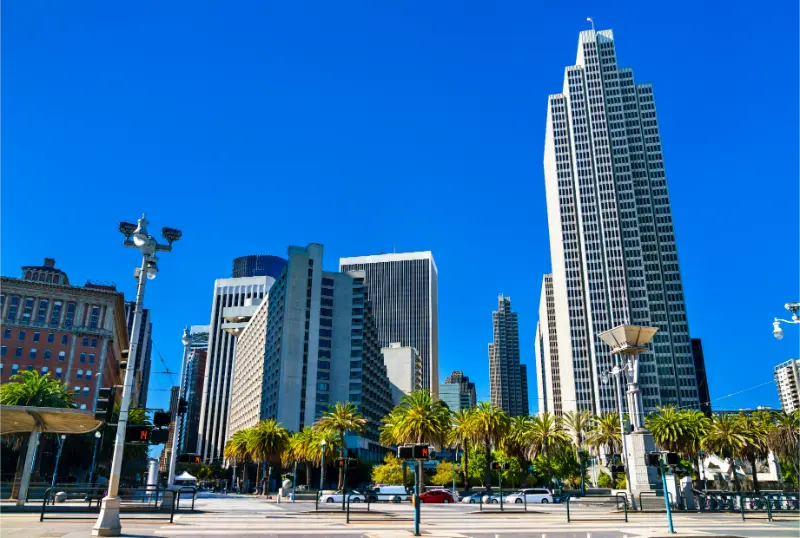
The trade-off is cost and atmosphere. Some hotels are oriented toward business travelers, and parts of the waterfront become quiet after office hours. On the other hand, excellent transit connections mean you can eat in North Beach, the Mission or Chinatown and return without a car.
Nob Hill: classic views with a physical price
Nob Hill delivers the visual version of San Francisco many visitors imagine: grand hotels, cable cars, steep streets and elevated views. If the historic hotel experience is part of the trip, the neighborhood can be memorable.
But topography is not a minor detail. A hotel that looks close to Union Square may require a demanding climb. For fit travelers this can be part of the charm. For grandparents, anyone with knee problems, a stroller loaded with supplies or a wheelchair user, the same location may create unnecessary friction. Check the exact approach to the property, not just the neighborhood name.
North Beach: best for food and evening atmosphere
North Beach is one of my favorite areas to recommend when travelers say they want to walk out of the hotel and immediately find cafés, restaurants and a neighborhood rhythm. Chinatown, the waterfront and Telegraph Hill are close, and the evenings feel more naturally social than in some business-oriented districts.
Hotel inventory is smaller than around Union Square or Fisherman’s Wharf, so availability can shape the decision. Parking is also a poor reason to choose North Beach; this is a neighborhood where leaving the rental car out of the plan is usually an advantage.
SoMa: useful for museums, conventions and modern hotels
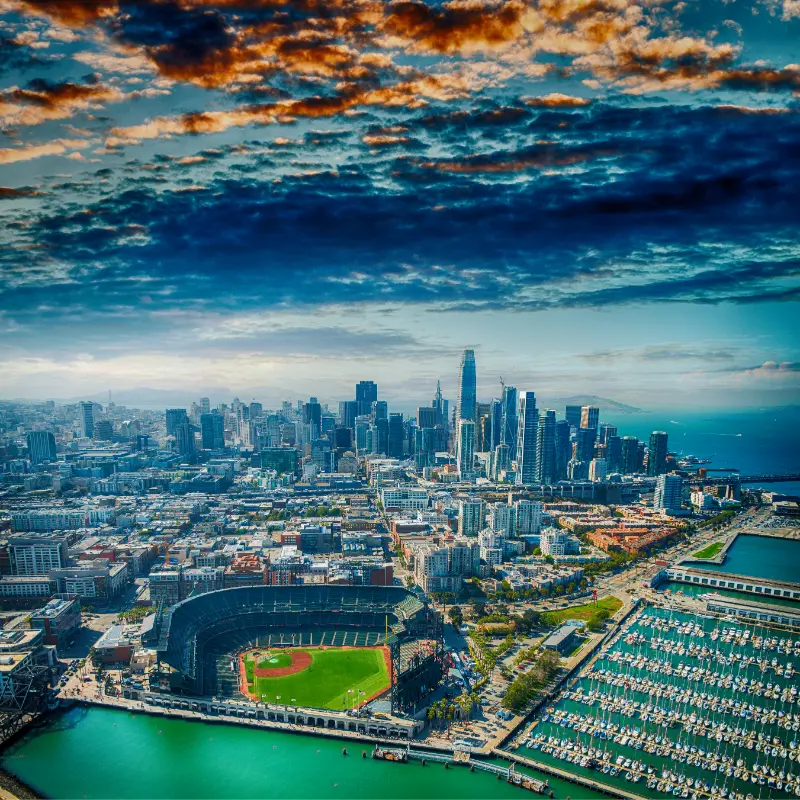
South of Market covers a large area, so the label “SoMa” is not enough information when booking. Some sections place you near museums, Oracle Park or the Moscone Center; other blocks feel very different after dark. Look at the exact address and what you expect to do on foot.
SoMa can be convenient for events and for travelers who prefer newer, larger hotels. It also connects well with other parts of the city. The key is precision: choose a specific micro-location, not an entire district.
Marina and Cow Hollow: attractive for Golden Gate days
The Marina and Cow Hollow work well for travelers who like restaurants, waterfront access, the Presidio and shorter trips toward the Golden Gate Bridge. The terrain near the water is easier than central hills, and the area can feel less like a downtown hotel district.
The compromise is transit structure. You do not have the same direct BART convenience as Union Square or the downtown corridor. If airport access and repeated cross-city journeys matter, compare travel times rather than assuming the beautiful location wins automatically.
Our Presidio guide is useful if that part of the city is a priority.
Mission District: for food and neighborhood energy
The Mission is an excellent place to spend time, especially for food, murals and nightlife. It can also work as a base for travelers who prefer neighborhood character to traditional visitor zones and are comfortable using BART and local buses.
I would be more selective with a first-time family booking here because the best accommodation options are more scattered and the experience changes noticeably by street. It is often easier to stay elsewhere and visit the Mission deliberately for an afternoon and evening.
Richmond and Sunset: calmer, residential and useful for Golden Gate Park
The Richmond and Sunset districts show a more residential San Francisco. They are excellent for Golden Gate Park, Ocean Beach and local restaurants, but they place you farther from many classic first-time sights. These neighborhoods suit repeat visitors, longer stays and travelers who value quiet evenings over being beside the cable-car routes.
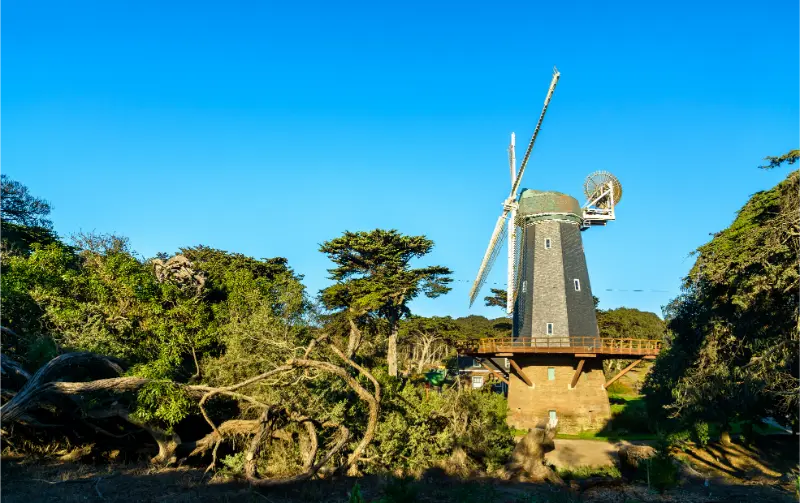
If your plan centers on the park, however, the equation changes. See our Golden Gate Park guide before ruling these areas out.
Do not rent a car just because the hotel has parking
A rental car is useful for leaving San Francisco for Point Reyes, wine country or a wider California road trip. Inside the city, it often creates more work: parking fees, garage logistics, break-in risk and the need to retrieve the vehicle before you can move it again.
If San Francisco comes at the beginning of a road trip, consider collecting the car on the morning you leave. If the city comes at the end, consider returning it on arrival. Our California without a car guide explains where this strategy works best.
Best neighborhoods for families
Fisherman’s Wharf is often the easiest answer for a first family trip because several attractions and waterfront walks are close together. Embarcadero can work well for families that value flatter walking and transit. Union Square offers broad hotel choice, but check the exact block and room size; central-city hotel rooms can be compact.
With a stroller, remember that the challenge is not only sidewalks. Cable cars are part of the experience, but they are not always the simplest everyday transport with a folded stroller and luggage. Buses, streetcars, BART and rideshares may be easier for the practical journeys.
Older travelers and limited mobility
San Francisco can be an excellent city for travelers with limited mobility if the hotel location is chosen deliberately. Prioritize flatter waterfront zones, accessible transit, an elevator and easy vehicle pickup. A dramatic hilltop hotel can be beautiful but tiring.
San Francisco Travel provides information on accessible transportation, and individual attractions publish their own accessibility guidance. Build the trip around those systems rather than assuming every historic route is equally easy.
Airport access: SFO, BART and luggage
BART can make airport transfers efficient for hotels near appropriate stations, but the final few blocks matter. A steep uphill walk with two suitcases can turn an apparently perfect rail connection into a poor choice. Check the route from the station to the hotel at street level.
If you arrive late, have several bags, or travel with a small child, a taxi or rideshare may be worth the extra cost. Accommodation planning is not about proving that one transport mode is cheapest; it is about removing unnecessary difficulty.
Should you split your stay?
For a three- or four-night San Francisco visit, usually no. The city is compact enough that changing hotels wastes more time than it saves. A split becomes more sensible when one part of the trip is outside the city—for example two nights in San Francisco followed by Sausalito, wine country or the coast.
Our 3-day San Francisco itinerary can help you test whether your planned hotel works with the sights you have chosen.
Final recommendation
Union Square is the easiest all-round starting point for hotel choice and transit. Fisherman’s Wharf is highly practical for first-time families. Embarcadero suits travelers who value waterfront access and flatter walks. North Beach is stronger for food and evening character, while Nob Hill is ideal when historic atmosphere matters more than avoiding hills.
The right neighborhood is the one that fits your daily rhythm. In San Francisco, a hotel one mile away can feel much farther if the route climbs sharply, so always compare topography and transit—not just distance.