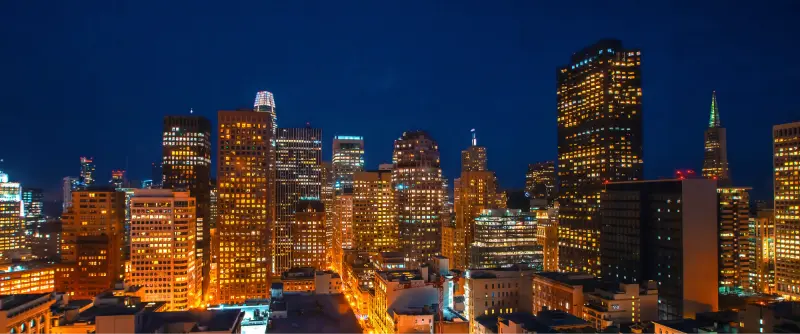
San Francisco can feel almost purpose-built for a family city break: ferries, historic transit, sea lions, parks, bridges, interactive museums and compact neighborhoods all create natural variety. The complication is topography. A route that looks short on a map may include a steep hill, and a stroller can turn a scenic walk into a workout. A good family itinerary therefore uses transport strategically and limits each day to one or two connected areas.
This three-day plan is designed for first-time visitors who want recognizable San Francisco experiences without exhausting children. It works best when you stay in a neighborhood with easy transit and restaurant access. Before booking, compare the options in our where to stay in San Francisco guide.
Day 1: waterfront, ferry atmosphere and an easy introduction
Start on the Embarcadero, where the family can walk on relatively level ground and adjust to the city. The Ferry Building works as an easy first stop for food, restrooms and a sense of place. Continue along the waterfront according to energy rather than forcing the full distance to Fisherman’s Wharf.
Children who like boats may enjoy a ferry ride even if you do not book a major island excursion. The bay creates instant sightseeing: skyline, bridges, wind and sea traffic. If Alcatraz is a priority, treat it as the main event of the day rather than an add-on.
Our Alcatraz guide explains the ferry and timing. The island contains steep terrain, and families with strollers or mobility needs should read the current accessibility information before the visit.
Fisherman’s Wharf with children: use it selectively
Fisherman’s Wharf is busy and commercial, but that does not mean families should avoid it. The sea lions are fun, the waterfront energy is easy for children to understand and there are plenty of food options. The mistake is assuming the neighborhood needs an entire day.
Choose one or two reasons to go, enjoy them and move on. If the family wants a science-focused indoor activity, the Exploratorium at Pier 15 is a much stronger anchor than wandering souvenir shops for hours. See our Exploratorium guide for a half-day plan.
Day 2: Golden Gate Park plus one neighborhood
Golden Gate Park is a family reset after a busy waterfront day. The park is large, so choose a limited section rather than trying to cross everything. Museums, gardens, playgrounds and open spaces allow different ages to enjoy the day in different ways.
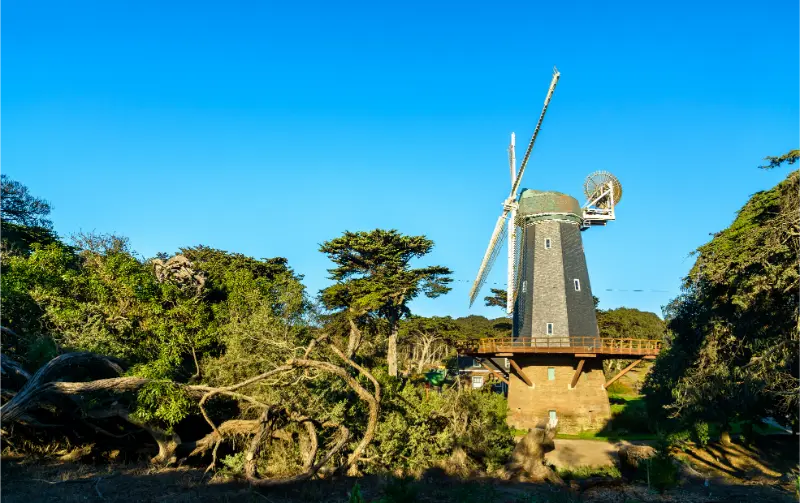
Our Golden Gate Park guide helps you choose a cluster. A museum plus outdoor time usually works better with children than two large indoor institutions back to back.
In the late afternoon, explore one nearby neighborhood or return toward the hotel. San Francisco evenings can feel cold and windy even after a sunny day, so keep layers in the bag.
Day 3: Presidio, Golden Gate Bridge views and a flexible finale
The Presidio gives families a combination of history, open space, views and room to slow down. Use the free Presidio GO Shuttle where it fits the route instead of repeatedly moving the car. Our Presidio guide explains the major zones and practical transport.
Choose a Golden Gate Bridge viewpoint according to weather and mobility. Walking all the way across the bridge is not necessary to make the experience meaningful. Wind can be strong, and younger children may be happier with a shorter viewpoint stop followed by a park or café.
If the family still has energy, use the final afternoon for a cable-car ride, Chinatown, North Beach or another neighborhood that genuinely interests you. Do not combine all of them simply because they are famous.
Should families ride a cable car?
A cable-car ride can be a memorable experience, but waiting in a long line with tired children may cancel the fun. Consider boarding away from the most obvious terminal or ride at a less popular time. Treat it as transportation with a story rather than an essential attraction that must consume half a day.
Check current SFMTA fares and service before travel. Transit operations can change, and construction or special events sometimes alter routes.
San Francisco with toddlers
With toddlers, plan shorter blocks and protect nap time. Waterfront walking, playgrounds and Golden Gate Park work better than a sequence of adult museums. Bring a compact stroller that can be folded quickly for transit and is manageable on hills.
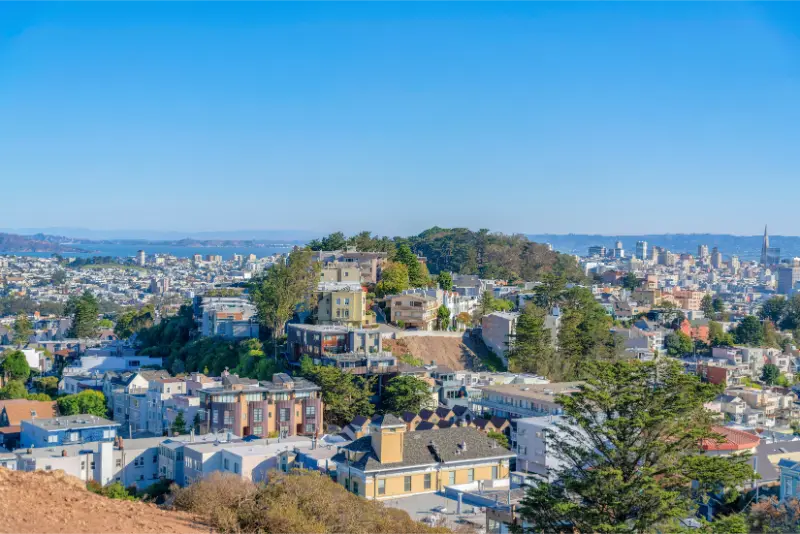
Do not assume every sidewalk route is stroller-friendly simply because the distance is short. Use transit to climb hills and walk downhill or on level routes when practical. A child carrier can be useful for specific attractions, but families should choose what is safe and comfortable for their own child.
School-age children
School-age children are a great match for interactive science, boats, the history of Alcatraz and the scale of the Golden Gate Bridge. Give them a map and let them identify the next landmark. Small responsibilities make the city feel like an adventure rather than a sequence of adult decisions.
Junior Ranger or educational programs may be available at federal park sites; check current NPS information rather than assuming a particular activity runs every day.
Teenagers
Teenagers may prefer neighborhoods, photography, food and unusual history to children’s attractions. Alcatraz, the Mission, Chinatown, vintage shops, street art and a good food stop can create a more age-appropriate itinerary.
Give older children some choice over the route and allow time for photos. San Francisco is one of the best California cities for a family to separate interests briefly and regroup because many central areas have strong transit connections.
Do you need a car?
For a central three-day family visit, usually not. Parking can be expensive, and a car is often more responsibility than convenience. Transit, ferries, walking and rideshare can cover most classic attractions.
If San Francisco is the start of a road trip, consider collecting the rental car when you leave the city. This avoids paying for a vehicle that sits in a garage. Our California without a car guide explains where that strategy works best.
Weather: pack for several seasons in one day
San Francisco’s weather can surprise families arriving from warmer California destinations. Fog, wind and temperature differences between neighborhoods are normal. Dress in layers rather than carrying one heavy coat that becomes uncomfortable whenever the sun appears.
Children who are cold stop enjoying even the best viewpoint. Keep a light wind-resistant layer in the day bag and do not use an inland California forecast to decide what the waterfront will feel like.
Food with children
San Francisco is easy for flexible family meals because many neighborhoods have casual options. Use markets, bakeries, food halls and simple neighborhood restaurants rather than reserving every meal. A planned dinner is lovely; three formal meals a day can make the schedule rigid.
Keep a snack in the bag for ferry queues and transit delays. Food is widely available, but a hungry child does not care that an excellent restaurant is only 25 minutes away.
Safety and parked cars
As in any large city, use current local awareness and avoid leaving visible valuables in a parked vehicle. If you have luggage between hotels, use proper hotel storage or another secure solution rather than leaving suitcases in the car while sightseeing.
Keep children close around busy transit stops, waterfront edges and bicycle paths. The goal is normal city awareness, not anxiety.
A realistic daily structure
| Day | Main family focus | Flexible addition |
|---|---|---|
| 1 | Embarcadero + Alcatraz or Exploratorium | Fisherman’s Wharf/sea lions |
| 2 | Golden Gate Park | One nearby neighborhood |
| 3 | Presidio + bridge views | Cable car, Chinatown or North Beach |
Where to add a rest day
If San Francisco is part of a longer California road trip, do not schedule a major driving day immediately after three intensive city days unless necessary. A slow morning, ferry outing or shorter transfer to Sonoma, Napa or the Monterey Peninsula can give the family time to reset.
Final advice
San Francisco with kids is easiest when you use the city’s transport and variety instead of fighting the hills with a rigid walking itinerary. Build each day around one anchor, use ferries and parks as part of the experience and stop before children are exhausted.
You do not need every famous neighborhood. Three thoughtful days can give a family a stronger sense of San Francisco than five days spent moving constantly from landmark to landmark.
Ferries as a family sightseeing tool
One of San Francisco’s best family tricks is to use a ferry as the attraction rather than treating every boat ride as transportation between two scheduled sights. Children get movement, views and a sense of scale while adults can sit down. Depending on the route, you may see the skyline, bridges, Angel Island or waterfront districts from an angle that requires no hill climbing.
Check the current operator schedule before committing because frequency can vary by route and day. Build margin around the return sailing rather than scheduling a timed museum entry immediately afterward. For families, the most relaxing ferry day is the one where missing a particular departure does not create a crisis.
Restrooms, snacks and hill management
Family sightseeing becomes much easier when restroom stops are planned before a long transit ride or steep neighborhood walk. Use major museums, visitor facilities and food halls as reliable reset points. Carry one simple snack per child even when the next meal is already planned; transit delays and queues can turn a normal lunch time into a much later one.
When a destination sits uphill, use transit for the climb and walk the easier direction whenever practical. This small decision can preserve enough energy for the attraction itself, especially with younger children or grandparents traveling with the family. San Francisco rewards smart routing more than heroic walking mileage.