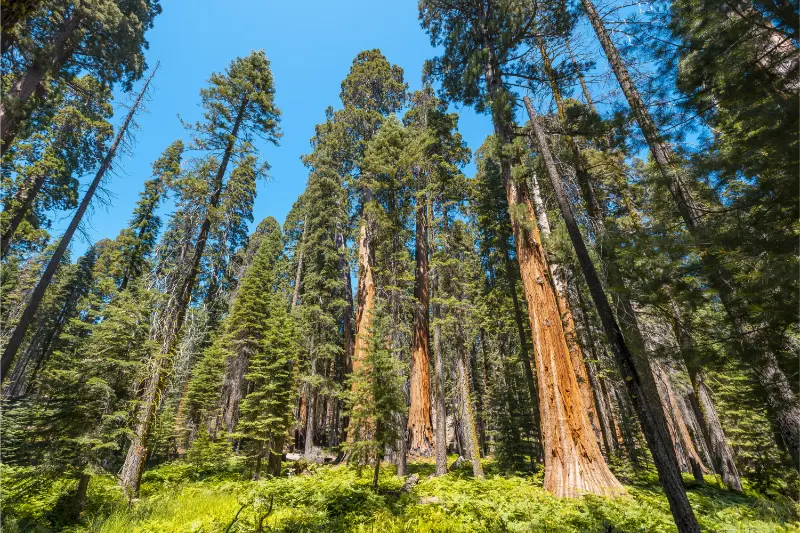
Sequoia and Kings Canyon are often treated as one quick stop because the two national parks are managed together. That can be misleading. The giant sequoia groves are accessible by mountain roads, Kings Canyon reaches far into the Sierra, and the distances between famous sights are much longer than a flat map suggests.
A good first visit is not about seeing both parks from end to end. It is about choosing one or two areas, understanding the mountain roads and giving the giant trees enough time to feel extraordinary rather than like another roadside attraction.
How many days should you stay?
Two full days is the best starting point. One day can work if you focus almost entirely on Sequoia’s Giant Forest area. Three days gives you room for Kings Canyon, short hikes and slower mornings without turning every transfer into a race.
If you are driving from Los Angeles or San Francisco, do not count the arrival day as a full park day. The final section of the drive is slower and more tiring than the motorway portion.
Sequoia and Kings Canyon are not a simple loop
The parks are connected by the Generals Highway, but mountain driving takes time. Curves, elevation changes, viewpoints, road work and wildlife can all slow the day. Kings Canyon’s deep canyon area is reached by a scenic road that is seasonal and subject to weather and repair conditions.
As of 2026, the National Park Service says that no general reservation is required simply to enter Sequoia and Kings Canyon National Parks. However, campgrounds, wilderness permits and some services have separate systems. Always review the official Sequoia and Kings Canyon planning page before the trip.
Where to stay
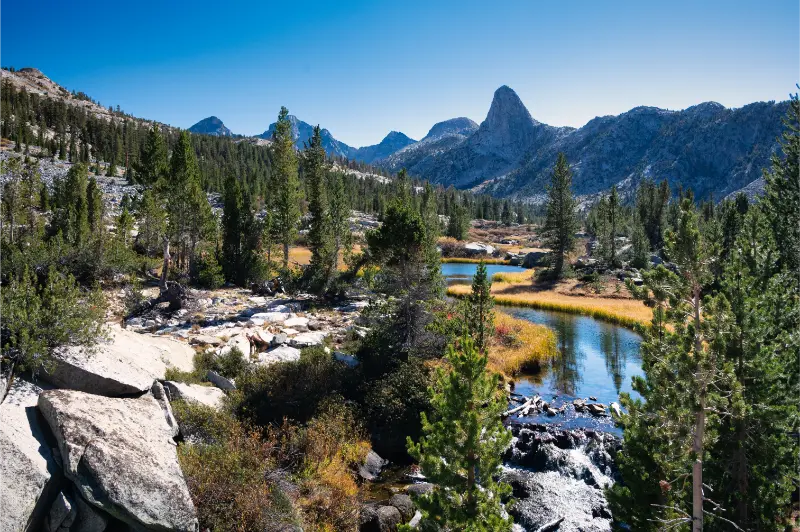
Three Rivers is the classic gateway for Sequoia’s southern entrance and works well if Giant Forest is your priority. Staying inside the parks can reduce driving and makes early starts easier, but seasonal availability is limited. Grant Grove is strategically useful for visitors who want to divide time between the two parks.
Fresno has many hotels and is useful before or after the park, but it should not automatically be treated as a convenient base for repeated daily sightseeing. The drive into the mountains adds up quickly.
Day 1: Giant Forest and the essential Sequoia experience
Begin early and focus on the Giant Forest. The General Sherman Tree is famous for a reason, but the best experience is not taking one photograph and leaving. Walk among the surrounding sequoias so that the scale becomes something you feel repeatedly.
The main General Sherman walking route involves elevation and can feel more strenuous on the return than visitors expect. Seasonal shuttle services and accessible parking arrangements may change, so travelers with limited mobility should check current park information before relying on a particular access plan.
Add the Giant Forest Museum area, selected meadow or grove walks and viewpoints along the highway. If you are comfortable with steep stairs and exposure, Moro Rock can provide a dramatic viewpoint, but it is not an essential stop for anyone who dislikes heights, has balance concerns or simply wants a quieter day among the trees.
Do not turn the giant trees into a checklist
General Sherman, General Grant and other named sequoias are useful landmarks, but the emotional impact comes from the grove, not the nameplate. Build time for a slow walk. Listen to the forest, notice fire scars and look at the size of fallen trunks.
This is one of the places where a one-hour schedule can technically “cover” the headline attraction while missing what makes it worth the journey.
Day 2: Grant Grove and Kings Canyon
Start at Grant Grove and the General Grant Tree, then decide how far you want to continue into Kings Canyon based on the season, road status and your departure plan. When the Kings Canyon Scenic Byway toward Cedar Grove is open, the road itself becomes part of the experience, with major elevation changes and canyon views.
Do not automatically drive to the end simply because the road is open. A scenic road is enjoyable only if you still have time to stop. Choose overlooks, a picnic and one short trail instead of driving continuously for hours.
If the canyon road is closed for winter or repairs, use the day for Grant Grove, nearby trails and a slower Sequoia itinerary rather than treating the closure as a failed trip.
When is the best time to visit?
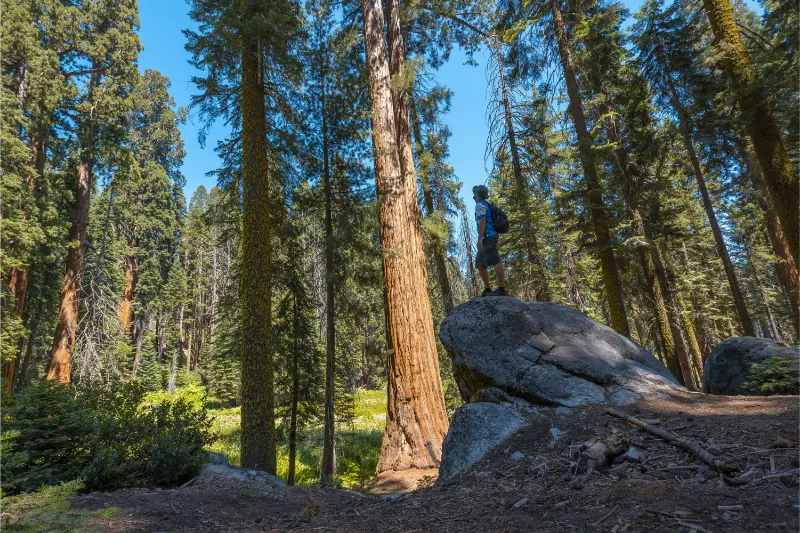
Summer offers the broadest access but also the largest crowds. Late spring and autumn can be excellent, although high-elevation weather and road openings require more attention. Winter turns the parks into a snow destination, with chain controls and reduced access possible.
The Sierra does not follow the same calendar as Los Angeles or the Central Valley. A warm day in the foothills does not guarantee snow-free roads higher in the park. Our best time to visit California guide explains the regional differences.
Driving: the part many itineraries underestimate
Mountain roads can be slow, winding and tiring. Drivers who are uncomfortable with curves should avoid creating a plan that requires repeated back-and-forth travel. Choose accommodation that supports the next day’s route and share driving when possible.
In winter or during storms, check chain requirements and road restrictions before climbing into the park. A rental car does not remove the driver’s responsibility to meet road-control rules.
Food, fuel and practical supplies
Services inside the parks are limited compared with a city. Fill the tank before major mountain drives and carry water and food for the day. Seasonal restaurants and shops may not operate on the schedule you expect.
A simple picnic can improve the itinerary because it lets you eat near a grove or viewpoint instead of timing the day around a distant restaurant.
Bears and food storage
Bear-safe food storage is not an optional detail in the Sierra. Follow the current National Park Service rules for food, coolers, scented products and camping. Never assume that keeping food inside a tent or leaving snacks visible in a parked car is acceptable.
If you are staying overnight outdoors, read the current food-storage instructions before arrival rather than learning them in the campground after dark.
Visiting with children
The giant sequoias are ideal for families because the main attraction is visually immediate. Children do not need to complete a difficult hike to understand that the trees are unusual. The challenge is the mountain driving and the possibility of trying to fit too much into one day.
Break long drives with meadow stops and short walks. Avoid scheduling Moro Rock stairs as a “must” for every family member. A child who is tired, afraid of heights or uncomfortable at altitude can enjoy the park perfectly well without it.
For more route ideas, see our California with kids guide.
Older travelers and limited mobility
Sequoia can still be rewarding with limited walking because scenic roads, visitor areas and selected groves provide access to impressive trees. The key is checking current accessible parking, shuttle operations and path conditions before the trip.
Altitude may also affect energy levels. Plan a slower first afternoon, drink water and avoid assuming that a short uphill path will feel the same as it does at sea level.
Should you combine Sequoia with Yosemite?
Yes, but not as a same-day sightseeing combination. They are separate destinations with a substantial drive between them. If your route includes both, stay overnight and give each park at least one full day, preferably two.
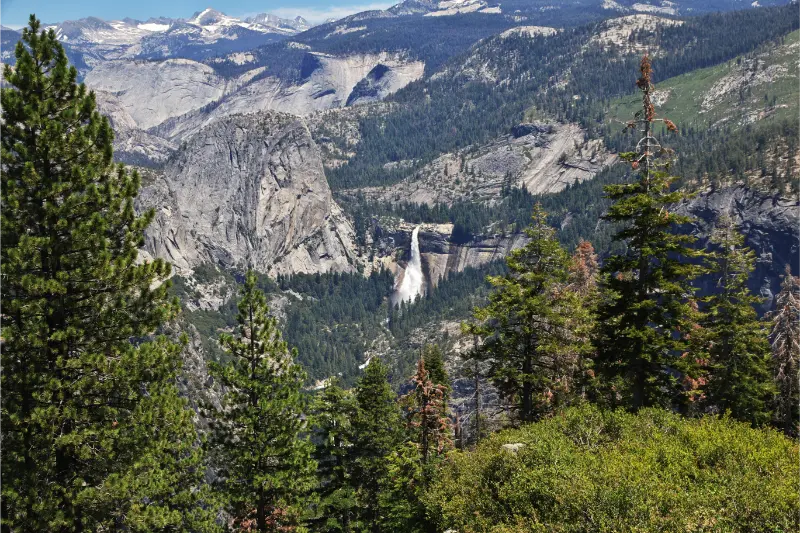
Our Yosemite first-time guide can help you compare the two parks. Yosemite emphasizes dramatic cliffs, waterfalls and a concentrated valley, while Sequoia and Kings Canyon offer a quieter forest-and-mountain experience centered on giant trees and broader landscapes.
A realistic two-day plan
Day 1: enter Sequoia early, spend most of the day in Giant Forest, visit General Sherman, choose one longer or two shorter walks, and add a viewpoint only if energy and parking allow.
Day 2: explore Grant Grove, visit General Grant Tree, then drive part or all of the Kings Canyon route if open and appropriate for the season. Stop for a picnic and one short walk rather than maximizing mileage.
Common planning mistakes
The first is sleeping too far away and losing hours on gateway roads. The second is assuming every named attraction deserves equal time. The third is ignoring winter conditions because the weather looked warm in Fresno. The fourth is combining the parks with another major California destination on the same day.
A successful visit feels spacious. Two days with a few strong experiences are better than one exhausting day with a long list of proof photographs.
What should you book in advance?
Lodging and campgrounds deserve the earliest attention, especially for summer weekends. Wilderness trips have their own permit system and quota season, but ordinary day visitors do not need a wilderness permit just to walk the developed-area trails. If your trip depends on a particular campground, lodge or backcountry trailhead, read the specific reservation page rather than assuming the general park-entry rule applies.
Seasonal shuttle operations can also change how you reach popular areas. A good plan has a driving version and a shuttle version, so you are not surprised when a parking area is restricted or a service is not operating on your dates.
Final advice
Come for the giant sequoias, but plan the trip around the mountains. Check the roads, give yourself more driving time than the map suggests and choose a base that matches the part of the parks you care about most. Once you do that, Sequoia and Kings Canyon become much easier—and much more memorable.