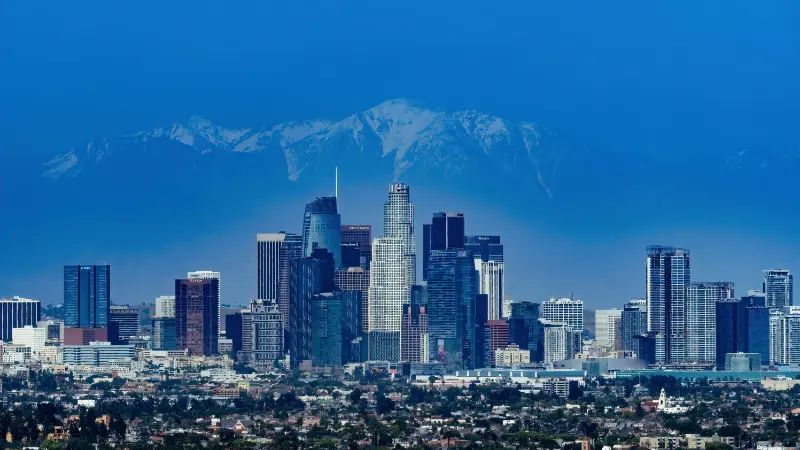
Los Angeles can feel overwhelmingly urban until you drive north from the 210 Freeway and begin climbing the San Gabriel Mountains. Angeles Crest Highway turns that transition into the attraction: city views fall away, chaparral gives way to higher-elevation forest, and Mount Wilson adds one of the most important astronomy sites in the United States.
This trip is different from my Big Bear or Lake Arrowhead guides because it works as a true day trip. You do not need a resort weekend. What you do need is flexibility: Highway 2 is vulnerable to fire, storm damage, rockfall and winter conditions, so the day should be planned around current road status rather than a fixed loop.
Mount Wilson Observatory currently lists public visiting hours that vary seasonally and notes that a Forest Service Adventure Pass is required for parking at the observatory. Check the observatory visiting page before departure because tours and café operations are not identical every day.
Quick planning summary
| Best for | Mountain scenery, astronomy, photography and a cooler break from Los Angeles |
|---|---|
| Time needed | Full day |
| Best seasons | Spring through fall when roads and facilities are open |
| Starting point | La Cañada Flintridge / CA-2 |
| Key planning rule | Check road closures the same morning; mountain highways can change quickly |
Who this trip is really for
This guide is designed for first-time visitors who want a practical version of Angeles Crest Highway Mount Wilson, not an itinerary that assumes unlimited time, perfect weather or endless energy. The strongest plan is the one that gives you a clear priority each day and leaves enough margin for parking, meals, road conditions and the unexpected. If your group includes children, older travelers or different interests, use the itinerary as a framework rather than a schedule you must obey minute by minute.
I also recommend deciding in advance what would make the trip feel successful. For some travelers that is one iconic view; for others it is history, food, a boat day, an accessible experience or simply a relaxed overnight. That decision prevents the common California mistake of driving farther just because another pin appears on the map.
A realistic itinerary
Morning — climb before traffic and heat
Leave Los Angeles early, fuel before entering the mountains and use the first legal overlooks for city and canyon views. Do not stop on narrow shoulders merely because a view appears. If Mount Wilson is your priority, go there before adding longer hikes so you are not arriving after gates or tours end.
Midday — Mount Wilson Observatory
Walk the grounds, museum areas and public viewing spaces that are open that day. The site is historically important because its telescopes helped reshape modern understanding of the universe. Even visitors who are not astronomy enthusiasts usually enjoy the combination of science and high-elevation setting.
Afternoon — choose one trail or scenic segment
After Mount Wilson, either return slowly with designated viewpoint stops or continue farther along Angeles Crest only if the road is open and your daylight margin is generous. One short hike is enough. Mountain driving after dark adds wildlife, fatigue and limited services, so I prefer to descend before evening.
Getting there and getting around
CA-2 from La Cañada Flintridge is the standard approach. Before leaving, check Caltrans QuickMap and Angeles National Forest alerts. Navigation apps can be misleading when a mountain road is technically mapped but closed by a gate or emergency order.
Fuel, food and cell service become limited as you climb. Carry water, a layer, a basic emergency kit and an offline map. In winter, do not treat the road as a casual snow-play drive; chain requirements and closures can apply.
Best time to visit
Spring and fall are usually the easiest balance of comfortable hiking and road access. Summer offers clear evenings and cooler temperatures than the basin, but fire restrictions and smoke can affect plans. Winter can be beautiful but road conditions become the trip’s main decision.
Because the mountain is above 5,700 feet, temperatures at Mount Wilson can be dramatically cooler than downtown Los Angeles. Pack a layer even when the city forecast looks hot.
Where to stay
For a day trip, stay wherever you are already based in Los Angeles or Pasadena. Pasadena is especially convenient and pairs well with my Pasadena guide. There is little reason to change hotels solely for Mount Wilson.
If you want an overnight mountain experience, Big Bear or Lake Arrowhead provide more lodging infrastructure, but they are separate destinations rather than extensions of Angeles Crest.
Families, seniors and accessibility
Families should keep the day simple: viewpoints, a short observatory visit and one easy walk. High-elevation sun, dry air and winding roads can tire children quickly. Anyone prone to carsickness should sit where they can see the road and avoid reading on the climb.
For senior travelers or limited mobility, Mount Wilson can still be rewarding, but slopes and distances between facilities matter. Contact the observatory if you need current accessibility details. Viewpoints along the highway vary widely; choose paved, designated stops rather than rough pullouts.
How to think about the budget
The scenic drive itself costs little beyond fuel, but parking at recreation sites may require a Forest Service pass. Observatory tours or special programs may have separate charges. Bring a payment backup because mountain connectivity is not always reliable.
This is one of the best-value Los Angeles day trips when road conditions cooperate: the landscape change is dramatic without a long hotel stay or major attraction ticket.
Mistakes I would avoid
- Leaving without checking road status. This is the biggest mistake.
- Stopping on unsafe shoulders. Wait for designated pullouts.
- Assuming city temperatures apply at Mount Wilson. Elevation changes conditions.
- Driving too far just because CA-2 is scenic. Turn around while daylight and energy are good.
- Relying on cell service. Download maps first.
- Ignoring fire restrictions. Mountain conditions can change quickly in dry weather.
One additional mistake is planning the day around the most optimistic drive time shown by a mapping app. California trips often involve parking searches, short walks, restroom stops, weather checks and slower scenic roads. A 30-minute buffer can be more valuable than another attraction on the list, especially when your next stop has fixed opening hours or when you are driving after sunset.
How to combine this with a larger California trip
Pair the drive with Pasadena rather than trying to add Hollywood or the beach on the same day. A slower mountain day followed by dinner in Old Pasadena works much better.
If you want more Southern California mountains, use separate trips for Big Bear Lake and Lake Arrowhead. They require more driving and deserve overnight time.
Practical planning notes before you leave
Check the official source for this trip shortly before departure: current visitor information. Opening hours, road access, parking, fire restrictions, shuttle schedules or facility conditions can change after an article is published. I prefer to keep the route flexible enough that one closure does not ruin the entire day.
Download the map or key directions before you leave reliable service, carry more water than you expect to need, and keep a light layer in the car even when the forecast looks warm. California’s coastal, desert, valley and mountain microclimates can make the temperature at your destination very different from the city where you started.
For a road trip, refuel before entering a sparsely serviced area and avoid arriving at an unfamiliar trailhead or rural lodging after dark. These are small decisions, but they are usually what separates a calm itinerary from one that feels rushed and fragile.
Frequently asked questions
Is Angeles Crest Highway always open?
No. Storms, fire, construction and winter conditions can close segments, so check official road status immediately before travel.
Do I need a pass at Mount Wilson?
The observatory currently states that a U.S. Forest Service Adventure Pass is required to park there.
How long should I spend at Mount Wilson?
Allow roughly two hours for a casual first visit, more if you book a tour or special observing program.
Is this trip suitable without hiking?
Yes. The highway viewpoints and observatory make a worthwhile day even if you skip trails.
My final planning rule
The value of Angeles Crest is the contrast: within a short drive of Los Angeles you can trade freeways and palms for mountain air and historic telescopes. The only rule I would not bend is checking the road before you leave.
A simple decision framework for this trip
Before locking the itinerary, rank four things from most to least important: scenery, history or culture, food and comfort, and active outdoor time. Then protect the top two priorities. If scenery is first, schedule viewpoints for the best daylight and let a museum become optional. If comfort is first, choose the closest practical lodging and cut a long detour. If family time is first, reduce the number of transitions between car, parking area and attraction. This sounds simple, but it prevents a destination from becoming a collection of errands.
I would also create one Plan B that uses the same overnight base. Weather, smoke, road work, crowds or a closed facility should change the day, not force you to rebuild the entire trip. A good Plan B usually swaps an outdoor block for a town, museum, meal or shorter scenic drive. Keeping the same hotel avoids cancellation stress and lets you decide the night before or even that morning.
Finally, separate the things that require reservations from the things that do not. Reserve lodging, timed tours and limited-capacity transport first. Leave viewpoints, casual meals and flexible walks unbooked when possible. The resulting day has structure where you need it and freedom where you benefit from it.