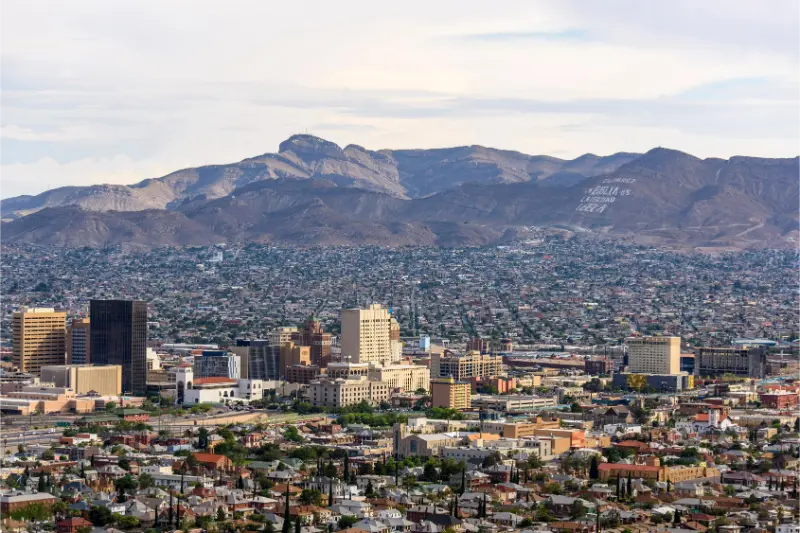
Bakersfield is rarely the city travelers put at the top of a California wish list, which is exactly why expectations matter. The reason to stop is not a skyline or famous beach. It is the combination of Bakersfield Sound music history, Basque dining traditions, agricultural Central Valley context and practical access between Southern California, the Sierra and Highway 99.
The official Visit Bakersfield site emphasizes the city’s music, museums, food and outdoor recreation. I think a first visit works best when you build around two themes rather than trying to “see the city”: one cultural theme, such as country music or local history, and one food experience.
Bakersfield can also rescue an itinerary that would otherwise involve a tiring late-night drive. A comfortable hotel, dinner and a half-day of local sights can be better than pushing from Los Angeles directly into the southern Sierra.
Quick planning summary
| Best for | Music history, Basque food, road-trip breaks and Central Valley culture |
|---|---|
| Ideal time | 1–2 days |
| Best base | Downtown or near your onward highway depending on trip direction |
| Best seasons | Fall through spring |
| Key planning rule | Visit for Bakersfield’s specific culture, not for generic sightseeing |
Who this trip is really for
This guide is designed for first-time visitors who want a practical version of Bakersfield California travel guide, not an itinerary that assumes unlimited time, perfect weather or endless energy. The strongest plan is the one that gives you a clear priority each day and leaves enough margin for parking, meals, road conditions and the unexpected. If your group includes children, older travelers or different interests, use the itinerary as a framework rather than a schedule you must obey minute by minute.
I also recommend deciding in advance what would make the trip feel successful. For some travelers that is one iconic view; for others it is history, food, a boat day, an accessible experience or simply a relaxed overnight. That decision prevents the common California mistake of driving farther just because another pin appears on the map.
A realistic itinerary
Day 1 — downtown, local history and Basque dinner
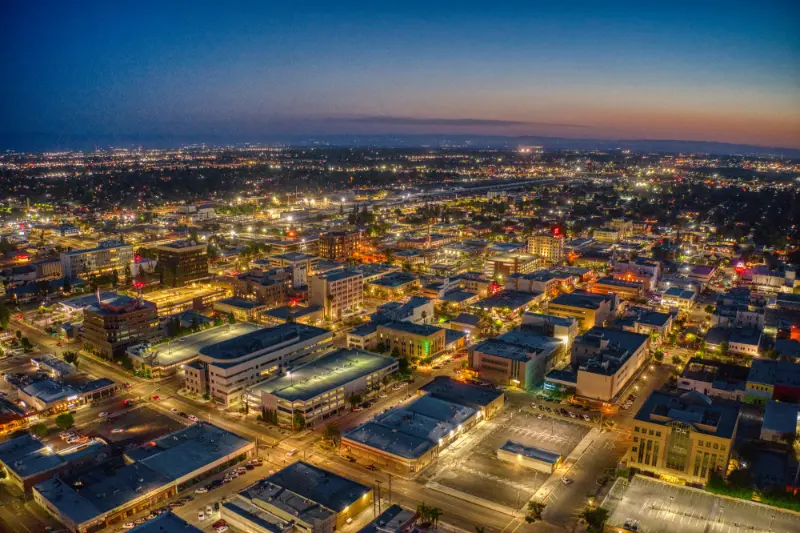
Start with a downtown/history walk or Kern County Museum depending on opening hours. Use the afternoon for a cultural stop rather than mall-style entertainment. Make dinner the anchor: Bakersfield’s Basque restaurants are part of the city’s identity, and family-style meal traditions are more memorable than treating dinner as a fuel stop.
Day 2 — Bakersfield Sound and a relaxed exit
Spend the morning on music history connected to the Bakersfield Sound, then choose an outdoor or museum stop based on weather. If you are continuing north or east, leave before late-day traffic and while mountain roads can still be evaluated in daylight.
If you only have one evening
Choose one distinctive restaurant and a short downtown walk. That is a better use of limited time than driving across the city to collect attractions before bed.
Getting there and getting around
Bakersfield sits at a useful junction between I-5, Highway 99 and routes toward the Sierra. Amtrak San Joaquins also serve the city, but most leisure itineraries still benefit from a car, especially for regional day trips.
If you are continuing toward Kern River, Lake Isabella or mountain roads, confirm conditions before leaving the urban area. My Kern River and Lake Isabella guide is a better framework for that separate outdoor trip.
Best time to visit
Fall, winter and spring are easiest for urban exploring. Summer heat is intense; shift outdoor walks to morning and use museums, restaurants and indoor music/history stops in the afternoon.
Winter can be mild in the valley while nearby mountain routes require chains or experience snow. Do not infer Sierra conditions from the Bakersfield forecast.
Where to stay
Downtown is convenient for visitors who want walkable cultural stops and the Amtrak station. Highway-oriented hotels are practical if you are arriving late and leaving early. Choose based on the next morning’s direction rather than a generic “best hotel” ranking.
For families, a pool and easy parking may matter more than historic atmosphere. For a couple on a food/music weekend, downtown access may be worth paying more.
Families, seniors and accessibility
Families should select one museum or history attraction and keep the rest of the day food- and park-oriented. Bakersfield is not a city where children benefit from a packed attraction schedule. A calm stop between bigger destinations can be its value.
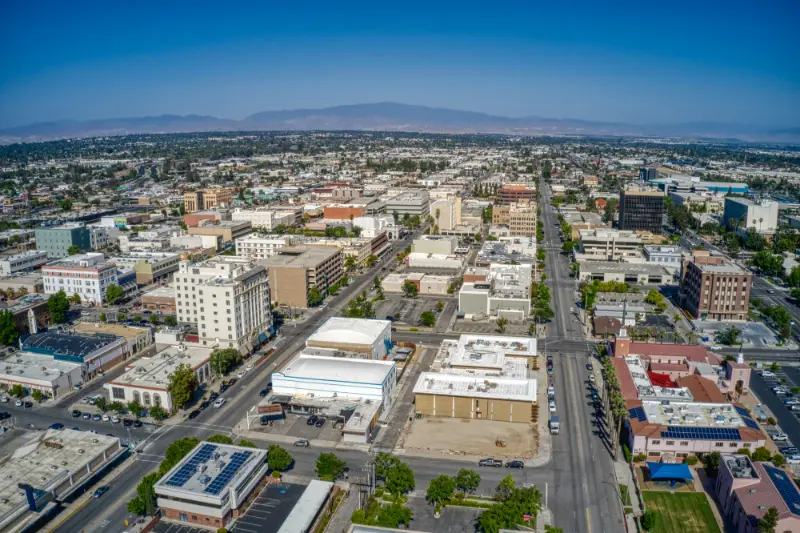
Senior travelers may appreciate the city’s straightforward parking and lower walking intensity compared with San Francisco or Los Angeles. If mobility is limited, verify museum and restaurant access directly and avoid long summer walks between downtown blocks.
How to think about the budget
Bakersfield is usually budget-friendlier than California’s coastal cities. Lodging, parking and meals can all be more manageable, which makes it a useful reset night on a long road trip.
Spend on the experiences that are genuinely local—Basque food, music or a well-chosen museum—rather than generic entertainment you could find anywhere.
Mistakes I would avoid
- Treating Bakersfield only as a gas stop. You miss the local food and music story.
- Expecting coastal weather. Summer heat changes the day.
- Trying to add the Sierra without checking road conditions. Mountain weather is different.
- Overplanning. The city works better at a relaxed pace.
- Skipping local food. Basque traditions are one of the strongest reasons to stop.
- Choosing a hotel on price alone. Your next highway direction matters.
One additional mistake is planning the day around the most optimistic drive time shown by a mapping app. California trips often involve parking searches, short walks, restroom stops, weather checks and slower scenic roads. A 30-minute buffer can be more valuable than another attraction on the list, especially when your next stop has fixed opening hours or when you are driving after sunset.
How to combine this with a larger California trip
Bakersfield pairs naturally with the Kern River/Lake Isabella region or as a transition between Los Angeles and Sequoia-area travel. If your main California itinerary is coastal, Bakersfield is usually a detour rather than a must-add.
For a larger Central Valley perspective, it can also sit between Southern California and Fresno, but I would not create a city-hopping itinerary unless agriculture, music or California interior history is a real interest.
Practical planning notes before you leave
Check the official source for this trip shortly before departure: current visitor information. Opening hours, road access, parking, fire restrictions, shuttle schedules or facility conditions can change after an article is published. I prefer to keep the route flexible enough that one closure does not ruin the entire day.
Download the map or key directions before you leave reliable service, carry more water than you expect to need, and keep a light layer in the car even when the forecast looks warm. California’s coastal, desert, valley and mountain microclimates can make the temperature at your destination very different from the city where you started.
For a road trip, refuel before entering a sparsely serviced area and avoid arriving at an unfamiliar trailhead or rural lodging after dark. These are small decisions, but they are usually what separates a calm itinerary from one that feels rushed and fragile.
Frequently asked questions
Is Bakersfield worth visiting for tourists?
Yes for travelers interested in Bakersfield Sound music, Basque food, local history or a practical Central Valley stop. It is not a substitute for California’s major coastal destinations.
What food is Bakersfield known for?
Basque restaurants are a distinctive local tradition, alongside broader Central Valley and Mexican influences.
How many days do I need?
One full day or one overnight plus a half day is enough for most first-time visitors.
Is Bakersfield a good base for Sequoia National Park?
It can be part of the approach, but it is not close enough to function like a park gateway hotel. Plan the mountain drive separately.
My final planning rule
Bakersfield is a good example of why “worth visiting” depends on what you are looking for. Give it one evening and one morning focused on food, music and local history, and it can add texture to a California road trip that would otherwise be all famous places.
A simple decision framework for this trip
Before locking the itinerary, rank four things from most to least important: scenery, history or culture, food and comfort, and active outdoor time. Then protect the top two priorities. If scenery is first, schedule viewpoints for the best daylight and let a museum become optional. If comfort is first, choose the closest practical lodging and cut a long detour. If family time is first, reduce the number of transitions between car, parking area and attraction. This sounds simple, but it prevents a destination from becoming a collection of errands.
I would also create one Plan B that uses the same overnight base. Weather, smoke, road work, crowds or a closed facility should change the day, not force you to rebuild the entire trip. A good Plan B usually swaps an outdoor block for a town, museum, meal or shorter scenic drive. Keeping the same hotel avoids cancellation stress and lets you decide the night before or even that morning.
Finally, separate the things that require reservations from the things that do not. Reserve lodging, timed tours and limited-capacity transport first. Leave viewpoints, casual meals and flexible walks unbooked when possible. The resulting day has structure where you need it and freedom where you benefit from it.