
Newport Beach is not one beach with an expensive zip code. It is a collection of very different coastal experiences: the long Balboa Peninsula, compact Balboa Island, the working and recreational harbor, Corona del Mar, Newport Coast and easy access to Crystal Cove. A first visit becomes much easier once you stop trying to cover all of them in a single afternoon.
Two days is a useful introduction. The first can stay around the harbor, Balboa Peninsula and Balboa Island; the second can focus on Corona del Mar and the more scenic southern edge of the city. That structure reduces driving and lets you use the little Balboa Island Ferry as part of the experience rather than as another box to check.
Newport Beach is also a good example of why practical details matter on the California coast. Parking prices and enforcement vary by lot, and popular areas feel very different at 9 a.m. and 2 p.m. A flexible morning start often improves the trip more than adding another attraction.
| Ideal stay | 2 days; 1 day if you choose only the harbor/Balboa area |
|---|---|
| Best for | Harbor scenery, beaches, families, walking and relaxed coastal days |
| Car needed? | Useful overall; ferry and walking reduce driving around Balboa |
| Best pairing | Huntington Beach, Laguna Beach, Anaheim or Crystal Cove |
| Main planning issue | Parking and choosing which Newport Beach district actually fits your day |
Choose your Newport Beach before choosing your itinerary
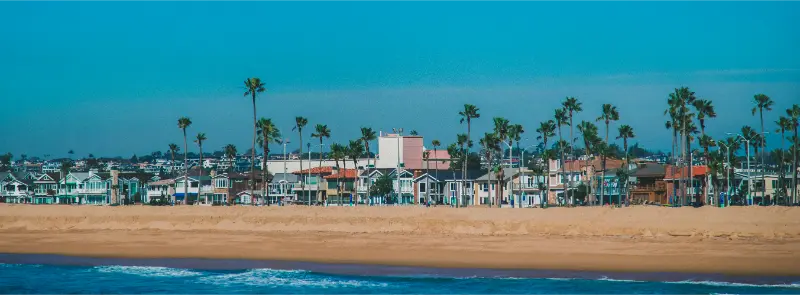
Balboa Peninsula gives you the classic beach-and-pier environment. Balboa Island is smaller, residential and best explored on foot. Corona del Mar feels more like a village attached to scenic beaches. Newport Coast is more spread out and works well for travelers prioritizing views, resort stays or Crystal Cove.
A hotel near one of these areas is not automatically convenient for the others. If your evening priority is walking to restaurants and the harbor, stay accordingly. If you are using Newport Beach mostly as a beach stop between Huntington and Laguna, a one-night stay may be enough.
Day 1: Balboa Peninsula and Balboa Island
Begin on the Balboa Peninsula before parking demand peaks. Walk the beach and pier area, then decide whether your group wants sand time, harbor activity or a simple waterfront lunch. The point of the first morning is to avoid driving between attractions that are already close together.
The Balboa Island Ferry has carried pedestrians, cyclists and vehicles between the peninsula and Balboa Island for generations. The crossing is short, but it changes the rhythm of the day and can save a longer drive around the harbor. As of 2026 the operator lists daily service, but hours and fares should still be checked before travel.
Once on Balboa Island, walk rather than trying to move the car from block to block. The waterfront path and compact streets are the experience. Return to the peninsula later or finish the afternoon with a harbor cruise if that is one of your priorities.
Day 2: Corona del Mar and the southern coast
Use the second day for Corona del Mar and the coast toward Crystal Cove. This is the day for viewpoints, a slower beach session and less urban harbor activity. Choose one primary beach rather than collecting parking receipts at several small coves.
Crystal Cove State Park sits immediately south of Newport Beach and can be a strong half-day addition for travelers who want a more natural coastline. If you include it, treat it as the main outdoor activity instead of squeezing it between multiple shopping or dining reservations.

The harbor: when a boat activity is actually worth it
Newport Harbor is one of the city’s defining features, so a short cruise, sailing trip or other water activity can make sense if you genuinely enjoy being on the water. It is less useful when booked simply because every guide lists one. Boat time should replace another sightseeing block, not sit on top of a full beach day.
For families, a shorter harbor experience is often easier than a long open-ocean outing. For older travelers, ask about boarding steps, seating and restroom access before booking.
Parking: read the exact lot rules, not a generic blog
The City of Newport Beach publishes current information for municipal lots and meters. Enforcement hours and prices vary by location, and the Balboa Pier lot has its own schedule. That is why a five-year-old article quoting one hourly rate is not a reliable planning tool.
When you find a good legal space near your day’s main area, keep it. Walking and the ferry are often more efficient than moving the car for a lunch reservation only a short distance away.
How many days do you really need?
With one day, concentrate on Balboa Peninsula, Balboa Island and the harbor. Two days lets you add Corona del Mar or Crystal Cove without turning the trip into a drive-through. A third day makes sense for resort time, a dedicated boat excursion or a slower family beach holiday.
The useful test is whether you are trying to experience Newport Beach or merely photograph its most famous landmark. A rushed stop can work inside a larger California road trip, but it should be treated as a preview. If this destination is one of the reasons you chose the route, protect enough time for a slow morning or late afternoon instead of filling every hour with transfers.
Where to stay and how to choose a base
Choose Balboa Peninsula for direct beach access and a more active waterfront; Balboa Island for a quieter residential feel; Corona del Mar for village atmosphere and southern beaches; Newport Coast for resort-style stays and proximity to Crystal Cove. Check parking arrangements before booking because overnight parking can materially change the room total.
For a short visit, location normally matters more than a small difference in room rate. Compare the real nightly total, including parking and resort or destination fees where applicable, then look at how many times you would need to move the car. In Newport Beach, saving money on a room can be false economy if it adds two difficult drives to every day.
Getting around without wasting half the day
A car is useful for moving between the major districts, but it should not be used for every small transfer. Walk the peninsula, walk Balboa Island, and use the ferry when it fits. Rideshare can work well for dinner if you do not want to re-park, though pickup times can rise on busy summer evenings.
Download offline maps before leaving the hotel if your day includes remote coastline, mountain roads or parkland. Keep one backup stop that is geographically close to your main plan. The best California itineraries are resilient: if parking, weather, surf, smoke, construction or a closure changes one stop, you should be able to shift the day without crossing the region twice.
Best time to visit
The coast is visitable all year. Summer has the strongest beach demand and highest parking pressure. Spring and autumn can be excellent for walking and harbor time, though marine clouds are common. Winter can be quiet and beautiful between storms; check surf and weather if your plans depend on beach access or a boat departure.
Do not choose a month from statewide California weather averages alone. Local conditions matter more: coast, desert, inland valley and mountain destinations can behave like different states on the same day. Recheck the forecast and any official alerts within a few days of departure, then pack for the coldest or windiest part of the day rather than only the afternoon high.
Visiting with children
Balboa Peninsula is easy to understand for children: beach, pier, harbor and small attractions close together. Use the ferry as an experience rather than transport logistics. With very young children, avoid building the day around multiple tiny cove beaches that require repeated packing, unloading and parking searches.
For families, one memorable anchor plus open time usually works better than a sequence of adult sightseeing stops. Keep snacks, water, layers and a simple exit plan in the car. If the main activity depends on a tide, boat departure, trail condition or timed ticket, avoid adding another reservation immediately before it.
Older travelers and limited mobility
The flatter harbor and peninsula areas can be more manageable than bluff-top beaches with stairs. Exact access varies by beach, and sand remains a barrier even where parking is close. If mobility is a priority, identify restrooms, paved paths and the closest legal parking before choosing the prettiest shoreline photo.
Accessibility can vary even between two places that look adjacent on a map. Check the exact parking area, surface, grade and restroom situation for the stop you plan to use. A viewpoint with a short, level approach may deliver a better experience than a famous beach or trail that requires stairs, loose sand or a long return climb.
What to book ahead and what to leave flexible
Reserve scheduled boat activities and high-demand weekend accommodation. The ferry does not need to dominate your planning, but check its current operating information. Leave ordinary beach time flexible because wind, clouds and surf can make a different part of the day more attractive.
Keep weather-dependent outdoor time more flexible than fixed-time experiences. When a reservation is essential, build the rest of the day around it rather than hoping traffic and parking will cooperate. Always confirm the current rule on the official site; third-party articles often preserve old hours, old parking prices or reservation systems long after they change.
A realistic budget strategy
Newport Beach can become expensive through accommodation, parking and waterfront dining rather than admission fees. Build one paid experience into the day if it matters, then use the beach, harbor walks and island strolls as the core. A more expensive hotel with included parking can sometimes beat a cheaper room plus daily fees.
Separate the trip into categories before comparing totals: accommodation, parking, transport, food, paid attractions and optional upgrades. In many California destinations, the most valuable experiences are free or low-cost, but parking and lodging can be the real expense. Decide where the splurge genuinely improves the trip and keep the rest simple.
Common first-time mistakes
Common errors include assuming Balboa Island and Balboa Peninsula are the same place, driving every short transfer, choosing a hotel without checking overnight parking, and trying to add Huntington, Newport and Laguna as three quick photo stops. Another is ignoring tide or surf conditions when choosing a beach activity.
Another common mistake is treating driving time as empty space. California distances, urban traffic and mountain or coastal roads all demand energy. If the next destination requires a long transfer, reduce the final morning rather than squeezing in one more distant stop and beginning the drive already tired.
How to fit this stop into a larger California trip
Newport Beach fits naturally between Huntington Beach and Laguna Beach. If you are traveling south, finish the visit in Corona del Mar or Crystal Cove and continue toward Laguna. If Anaheim is next, leave the coast after the evening rush rather than assuming a short mileage means a short drive.
Use our Orange County itinerary for the wider region and our Laguna Beach guide if you are continuing south.
Official information to check before you go
Check the City of Newport Beach parking page for current lot information and the Balboa Island Ferry for current service details.
For anything that can change quickly—road access, fire restrictions, trail status, ferry or shuttle operation, parking rules, seasonal facilities and event closures—treat the official source as the final word on the day of travel.
Final advice
Newport Beach becomes much more enjoyable when you organize it by district rather than attraction. Give the harbor and Balboa area one coherent day, save the southern beaches for another, and use walking and the ferry to reduce the number of times you have to solve the same parking problem.
The goal is not to see every named attraction. A strong first visit to Newport Beach should leave you with a clear sense of place and enough unplanned time to respond to weather, energy and what you discover once you arrive.