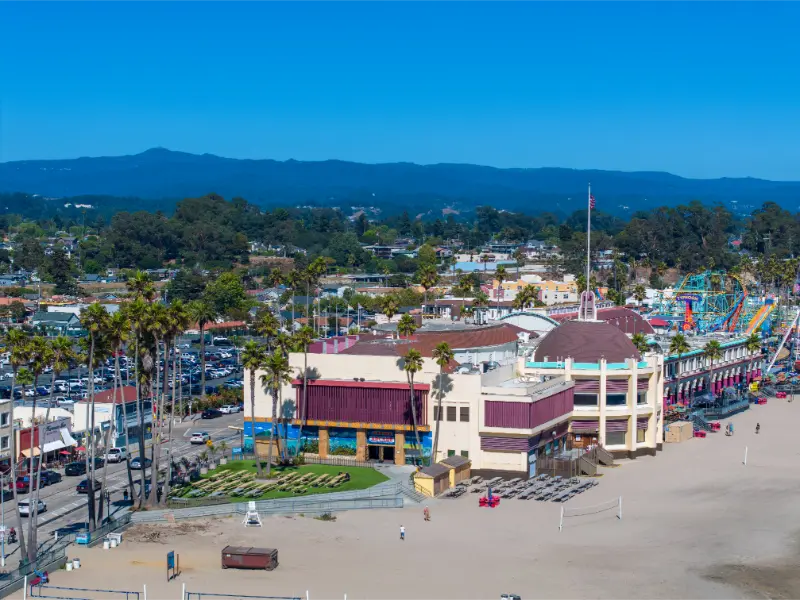
Santa Cruz combines experiences that are usually separated on a California itinerary: an old-school seaside amusement park, a surf-focused urban coast, a walkable downtown and redwood forests only a short drive away. That mix makes it more interesting than a single beach stop, but it also makes poor itineraries easy to create because every attraction seems close enough to add.
Three days is ideal for a first visit. Give one day to the Boardwalk and central waterfront, one to West Cliff Drive and Natural Bridges, and one to the redwoods or another inland experience. Two days can work, but you will need to decide whether the forest or amusement-park side of Santa Cruz matters more.
The destination is particularly good for families because high-energy attractions and free outdoor time can alternate. It also works for couples and older travelers who prefer coastal walking, wildlife and scenic drives over theme parks.
| Ideal stay | 3 days; 2 days if you choose coast or redwoods as the priority |
|---|---|
| Best for | Boardwalk rides, surfing, coastal walks, families and nearby redwoods |
| Car needed? | Helpful for redwoods and wider county; central Santa Cruz can be walked |
| Best pairing | Monterey, Highway 1, San Francisco or the Santa Cruz Mountains |
| Main planning issue | Balancing Boardwalk time with nature instead of trying to do both in the same few hours |
Day 1: Beach Boardwalk and central waterfront
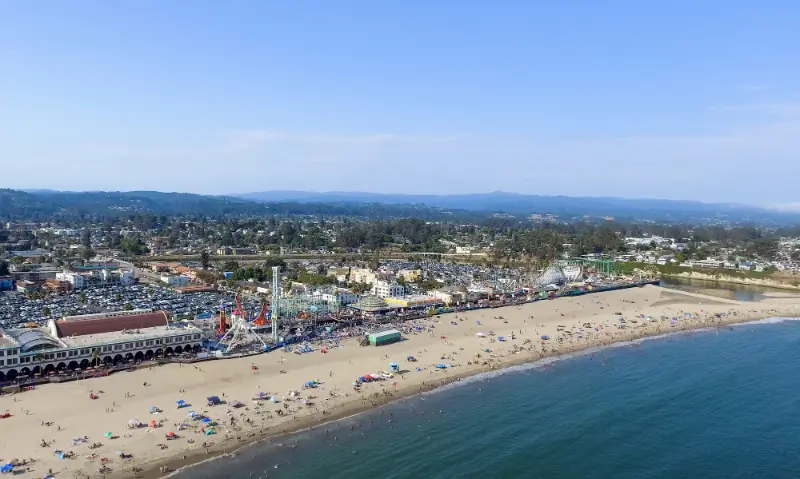
Start with the Santa Cruz Beach Boardwalk if it is one of the reasons you came. Visit Santa Cruz County notes that the Boardwalk dates to 1907 and combines historic rides with modern attractions directly beside the beach. Ride schedules and operating days vary seasonally, so confirm what is actually open rather than assuming every attraction runs every day.
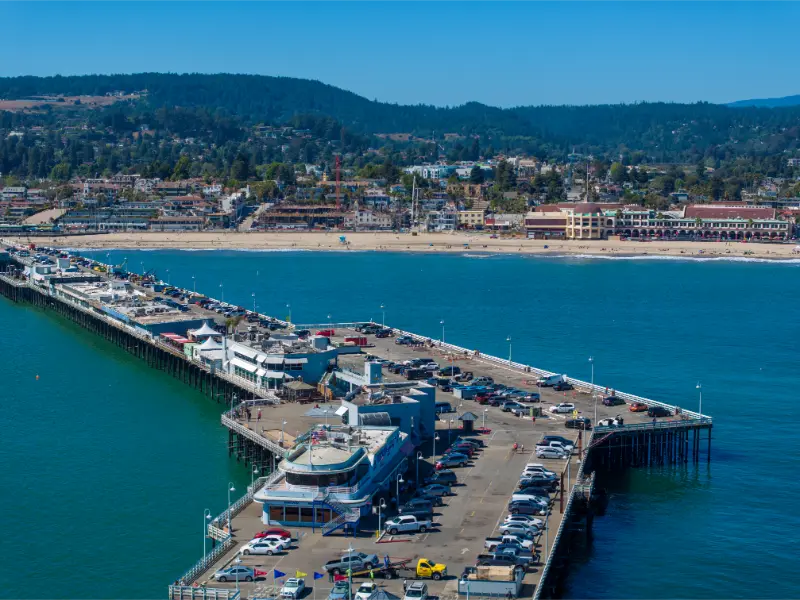
Give the Boardwalk a defined block of time and then step onto the beach or walk the wharf. The waterfront is more enjoyable when you are not watching the clock for another reservation across town. In the evening, shift downtown for food and a different atmosphere.
Day 2: West Cliff Drive and Natural Bridges
The Westside is the clearest contrast to the Boardwalk. West Cliff Drive follows the ocean past surf viewpoints and toward Natural Bridges State Beach. Visit Santa Cruz County describes the coastal path as roughly three miles, making it easy to adapt into a short walk or a longer half-day.
Natural Bridges is worth more than a quick photo of the rock arch. The park includes beach, tide pools, coastal habitat and a seasonal monarch butterfly grove. Low tide can transform what you are able to see, so check the tide table if tide pooling is important.
End the day near the coast rather than driving straight into the mountains. Sunset, fog and wind can all change quickly, and that variability is part of the experience.
Day 3: redwoods and a different landscape
Use the third day for redwoods in the Santa Cruz Mountains. Henry Cowell Redwoods State Park is the obvious first choice for many visitors because it is close to the city and offers accessible ways to see large coast redwoods without building the day around a long backcountry hike.
Families may also be interested in the Roaring Camp area, while hikers can choose a longer trail. The important planning point is to make the forest the day’s focus. A redwood morning plus a full Boardwalk afternoon plus sunset at Natural Bridges looks efficient on paper but usually means too much driving and too little time anywhere.
Downtown Santa Cruz is not just a meal stop
Downtown gives the trip an urban counterpoint to the beach. Shops, cafes, cultural spaces and the connection toward the San Lorenzo River make it useful for evenings and cloudy periods. The newer Riverwalk connections also help tie the center toward the Boardwalk without requiring another car move.
If your hotel is downtown, you can create a very car-light first day and save the vehicle for the redwoods. That is often a better strategy than staying farther away solely for a lower nightly rate.
Surfing, wildlife and ocean safety
Santa Cruz is one of California’s major surf cities, but the coastline includes powerful water and changing conditions. Watch experienced surfers at established viewpoints rather than assuming a calm-looking section is appropriate for swimming or beginners.
Natural Bridges and the wharf can also be good for wildlife viewing. Observe animals from a respectful distance and follow local tide-pool guidance. The coast is an ecosystem, not an interactive exhibit.
How many days do you really need?
Three days is the sweet spot because the Boardwalk, Westside coast and redwoods each deserve their own rhythm. With two days, combine the Boardwalk and downtown on one day and West Cliff plus either Natural Bridges or a short redwood visit on the other. A fourth day is useful if you want beaches plus a longer mountain hike.
The useful test is whether you are trying to experience Santa Cruz or merely photograph its most famous landmark. A rushed stop can work inside a larger California road trip, but it should be treated as a preview. If this destination is one of the reasons you chose the route, protect enough time for a slow morning or late afternoon instead of filling every hour with transfers.
Where to stay and how to choose a base
Stay near the Boardwalk for families prioritizing rides and beach access; downtown for restaurants and a more urban evening; Westside for a quieter coastal base. If redwoods are the main purpose, lodging in the mountains can work, but first-time visitors usually gain more from staying in Santa Cruz and making one deliberate forest day trip.
For a short visit, location normally matters more than a small difference in room rate. Compare the real nightly total, including parking and resort or destination fees where applicable, then look at how many times you would need to move the car. In Santa Cruz, saving money on a room can be false economy if it adds two difficult drives to every day.
Getting around without wasting half the day
Central Santa Cruz, the Boardwalk and downtown can be combined with walking, biking or short transit rides. A car is valuable for Henry Cowell, other mountain parks and broader county exploration. On a busy weekend, park once for the central waterfront rather than moving between the Boardwalk, wharf and downtown.
Download offline maps before leaving the hotel if your day includes remote coastline, mountain roads or parkland. Keep one backup stop that is geographically close to your main plan. The best California itineraries are resilient: if parking, weather, surf, smoke, construction or a closure changes one stop, you should be able to shift the day without crossing the region twice.
Best time to visit
Summer brings the strongest Boardwalk and beach demand. Spring and autumn often provide an excellent balance for coast and forest, while winter can be lush and dramatic but wetter. Marine fog and cool evenings are common enough that a warm inland forecast should not determine what you pack for the shore.
Do not choose a month from statewide California weather averages alone. Local conditions matter more: coast, desert, inland valley and mountain destinations can behave like different states on the same day. Recheck the forecast and any official alerts within a few days of departure, then pack for the coldest or windiest part of the day rather than only the afternoon high.
Visiting with children
Santa Cruz is naturally family-friendly, but the best itinerary alternates intensity. A Boardwalk day can be stimulating and expensive; follow it with Natural Bridges or redwoods rather than another attraction-heavy schedule. For small children, bring layers and allow time for ordinary beach play even if rides are the trip’s headline.
For families, one memorable anchor plus open time usually works better than a sequence of adult sightseeing stops. Keep snacks, water, layers and a simple exit plan in the car. If the main activity depends on a tide, boat departure, trail condition or timed ticket, avoid adding another reservation immediately before it.
Older travelers and limited mobility
The Boardwalk and wharf have developed surfaces, while West Cliff offers long stretches of paved coastal walking. Natural Bridges includes accessible features, but beach sand and tide-pool terrain are different. In redwood parks, select the specific trail based on surface and grade; do not assume every forest walk is equally accessible.
Accessibility can vary even between two places that look adjacent on a map. Check the exact parking area, surface, grade and restroom situation for the stop you plan to use. A viewpoint with a short, level approach may deliver a better experience than a famous beach or trail that requires stairs, loose sand or a long return climb.
What to book ahead and what to leave flexible
Check Boardwalk operating calendars and ticket options before travel, and reserve accommodation for major summer weekends. Redwood parks generally need less fixed planning, but parking can still fill. Leave coastal wildlife and tide-pool time flexible around weather and tides.
Keep weather-dependent outdoor time more flexible than fixed-time experiences. When a reservation is essential, build the rest of the day around it rather than hoping traffic and parking will cooperate. Always confirm the current rule on the official site; third-party articles often preserve old hours, old parking prices or reservation systems long after they change.
A realistic budget strategy
Santa Cruz can be balanced well: the Boardwalk can be the paid day, while West Cliff, downtown walking and much of the coastal experience cost little beyond parking and food. If your family wants many rides, compare ticket products before arrival rather than buying impulsively one ride at a time.
Separate the trip into categories before comparing totals: accommodation, parking, transport, food, paid attractions and optional upgrades. In many California destinations, the most valuable experiences are free or low-cost, but parking and lodging can be the real expense. Decide where the splurge genuinely improves the trip and keep the rest simple.
Common first-time mistakes
The main mistakes are assuming all Boardwalk rides operate daily year-round, treating Natural Bridges as a five-minute photo stop, visiting tide pools without checking the tide, and trying to add Monterey as an evening side trip after a full Santa Cruz day. Another is leaving warm layers at the hotel because the inland temperature looked high.
Another common mistake is treating driving time as empty space. California distances, urban traffic and mountain or coastal roads all demand energy. If the next destination requires a long transfer, reduce the final morning rather than squeezing in one more distant stop and beginning the drive already tired.
How to fit this stop into a larger California trip
Santa Cruz fits well between San Francisco and Monterey. If driving Highway 1 south, spend the night rather than treating the city as a lunch stop, then continue toward Monterey the next morning. The redwoods also make Santa Cruz a useful alternative to adding a long detour farther north when your route is concentrated on the Central Coast.
Continue south with our Monterey, Carmel and Big Sur itinerary, or connect north to our San Francisco guide.
Official information to check before you go
Use Visit Santa Cruz County for current local planning and the official Boardwalk and California State Parks sites for operating calendars, Natural Bridges conditions and park rules.
For anything that can change quickly—road access, fire restrictions, trail status, ferry or shuttle operation, parking rules, seasonal facilities and event closures—treat the official source as the final word on the day of travel.
Final advice
Santa Cruz is most memorable when you experience its contrasts: a historic amusement park, a surf coast, a natural shoreline and redwoods. Give each environment enough time to feel different and the city becomes a genuine California destination rather than a short stop between San Francisco and Monterey.
The goal is not to see every named attraction. A strong first visit to Santa Cruz should leave you with a clear sense of place and enough unplanned time to respond to weather, energy and what you discover once you arrive.