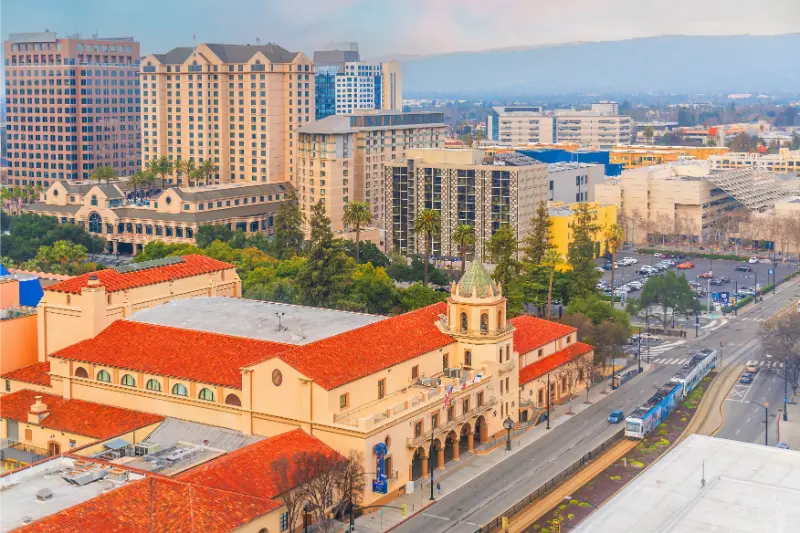
San Jose is often treated as a business base for Silicon Valley rather than a California destination, which is exactly why visitors can underestimate it. The city is spread out, culturally diverse and less visually compact than San Francisco, but it has strong museums, family attractions, food, historic neighborhoods and access to both the Santa Cruz Mountains and the southern Bay Area.
A first visit works best when you stop trying to force San Jose into the shape of San Francisco. There is no single waterfront or tourist spine that connects everything on foot. Instead, choose a walkable downtown block for one day and a second cluster—such as Santana Row/Winchester or a park and museum combination—for the next.
Two days is enough to see the city’s character without spending the whole trip crossing wide roads. San Jose can also be an excellent base for travelers with children, tech interests or events at the SAP Center, and it connects easily to Santa Cruz for a coast-and-city combination.
| Ideal stay | 2 days; longer for events or day trips |
|---|---|
| Best for | Museums, families, food, events and Silicon Valley trips |
| Car needed? | Useful, though downtown can be explored without one |
| Best pairing | Santa Cruz, San Francisco, Monterey or the Santa Cruz Mountains |
| Main planning issue | Grouping spread-out attractions into geographic clusters |
Day 1: build a walkable downtown loop
Start with the downtown core and keep the car parked as long as possible. The Tech Interactive is a natural anchor for families and science-minded visitors, while the San Jose Museum of Art, Plaza de César Chávez and San Pedro Square Market create an easy urban sequence around it. The point is not to rush every museum; choose one major indoor attraction and let food and public space fill the rest of the day.
If you are attending a Sharks game, concert or other event at SAP Center, shape the afternoon around it rather than adding a distant attraction immediately beforehand. Event traffic and parking can change normal travel times, and the best dinner is often the one you can reach on foot.
Day 2: Winchester, Santana Row and a greener San Jose
Use the second day for the western side of the city. Winchester Mystery House and Santana Row/Valley Fair are close enough to combine without wasting the day in transit. The house works best for travelers genuinely interested in its architecture and story; if guided tours are not your thing, do not book it only because it appears on every list.
Balance the commercial side with a garden or neighborhood stop such as the Municipal Rose Garden when in season, or choose another outdoor space. San Jose becomes more interesting when the itinerary includes both its modern retail/tech image and the quieter residential city around it.
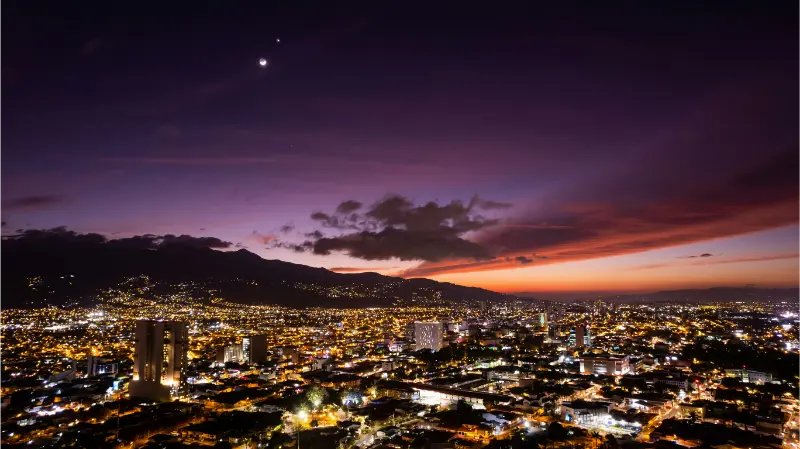
San Jose is a food city, so choose neighborhoods rather than one famous restaurant
The city’s diversity is one of its strengths, and food is often the easiest way to experience it. Vietnamese, Mexican, Indian and many other communities shape the local dining scene. Instead of crossing town for a single viral dish, choose a neighborhood or market area and give yourself options.
This strategy is especially useful for families and groups with different diets. A food hall or district can solve several preferences at once and reduces the risk of making the entire evening depend on one reservation.
The Tech Interactive is strongest when you allow participation time
Interactive museums fail when adults rush children past exhibits to stay on schedule. If The Tech is a priority, give it a meaningful block and pair it with a simple lunch or downtown walk rather than another major museum immediately afterward. The value comes from doing, not from seeing every label.
Older visitors without children can still enjoy science and technology content, but the energy level is different from a traditional art museum. Choose it because the subject interests you, not because you feel obligated to visit something named ‘tech’ in Silicon Valley.
Use public transit strategically, not ideologically
VTA light rail and buses can be useful, especially around downtown and event corridors, while regional rail connects San Jose with other Bay Area cities. But some visitor attractions remain easier by car or rideshare. A good trip uses the mode that fits each day rather than trying to prove the entire city can be walked.
If staying downtown for a short visit, you may be able to combine transit and rideshare and skip a rental car. If San Jose is part of a wider California road trip, keep the car but choose a hotel with clear parking costs and leave it parked for the downtown day.
Silicon Valley is larger than San Jose
Visitors sometimes arrive expecting one central ‘Silicon Valley’ district. In reality, technology campuses and company histories are spread across multiple cities. If corporate landmarks are your priority, build a separate route and be realistic about what is publicly accessible. Many campuses are workplaces, not tourist attractions.
San Jose itself is more rewarding when you treat it as a diverse city rather than a collection of company logos. Museums, food, neighborhoods and events give you more to do than photographing office signs from parking lots.
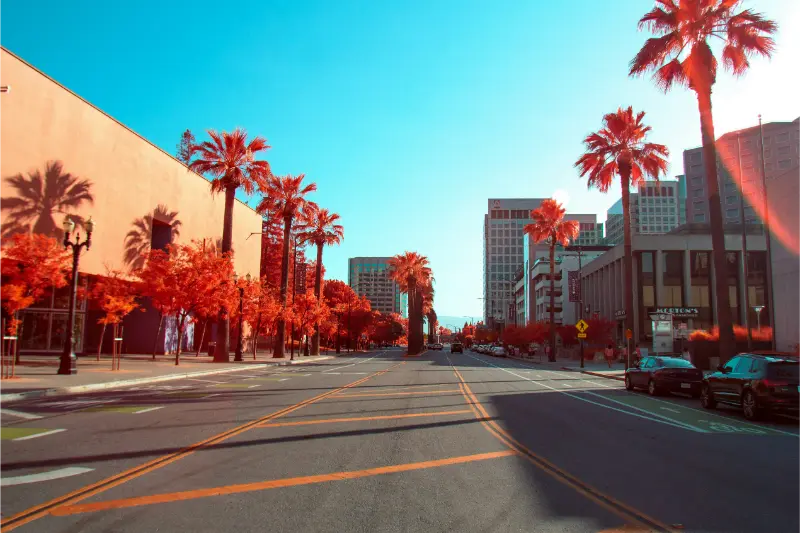
How many days do you really need?
Two days is enough for a focused first visit. One day can work around downtown or a specific event. Three days is useful when adding family attractions, a sports weekend or a day trip to Santa Cruz or the Santa Cruz Mountains. Business travelers can often turn an extra evening into a surprisingly complete downtown experience.
Where to stay and how to choose a base
Downtown is the most convenient base for museums, San Pedro Square, convention activity and SAP Center events. Staying near Santana Row works for shopping, dining and Winchester but is less useful for a downtown-focused itinerary. Airport hotels can be practical for an early flight but may provide little sense of the city. Compare parking fees and transit access before choosing solely by nightly rate.
Getting around without wasting the day
San Jose is spread out. Walk within downtown, use VTA or rideshare where it makes sense and group western attractions together. Caltrain connects San Jose with the Peninsula and San Francisco, which can be useful for travelers combining cities. If driving, remember that Bay Area commute patterns can add significant time even when map distances look modest.
Best time to visit
San Jose has a generally mild climate, with warm dry summers and cooler, wetter winters. Summer afternoons can be hot in exposed inland areas even when San Francisco feels chilly. Spring and autumn are comfortable for mixing indoor attractions with outdoor walks. Event calendars may matter more than weather if you are visiting for sports, concerts or conventions.
Visiting with children
San Jose is one of California’s easier large-city stops with children because attractions such as The Tech Interactive, Happy Hollow Park & Zoo and the Children’s Discovery Museum give the trip clear family anchors. Do not attempt all of them in a day. Choose one major child-focused attraction, add a park or flexible meal and keep travel between stops short.
Older travelers and limited mobility
Downtown’s museums and plazas can be relatively easy to navigate, and many major attractions provide accessibility information. The challenge is distance between clusters, not necessarily the individual sites. Travelers with limited walking endurance should use rideshare or transit between districts and then explore one compact area at a time. Confirm accessibility directly for historic properties and specific tours.
Food, reservations and a sensible budget
Museum admissions, event tickets and parking can raise the cost quickly, while parks, neighborhoods and public spaces balance the itinerary. Decide whether the trip’s premium expense is an event, museum day or hotel location. If staying downtown, compare parking against the cost of arriving by train or using rideshare. Food can range widely, and casual neighborhood dining often provides excellent value.
Common first-time mistakes
The main mistakes are expecting a compact tourist center like San Francisco, driving back and forth between distant attractions, treating private tech campuses as public museums and underestimating event traffic. Another is skipping the city’s food diversity because the itinerary is built entirely around technology-themed stops.
How to fit this stop into a larger California trip
San Jose pairs naturally with Santa Cruz and the Santa Cruz Mountains, and it can be the southern anchor of a Bay Area trip that continues north to San Francisco. Monterey is also accessible for a longer route, but avoid using San Jose as a base for daily drives to every Bay Area destination; traffic can consume the time you thought you were saving.
Useful California for You guides
For a wider Bay Area and Central Coast itinerary, see Santa Cruz guide, San Francisco first-time guide, Monterey, Carmel and Big Sur itinerary, 10-day California road trip.
Official information to check before you go
Visit San Jose provides current attraction, event and visitor information, while VTA and Caltrain are the places to confirm transit details. Useful sources include Visit San Jose, VTA, Caltrain.
Final advice
San Jose becomes easier to appreciate once you stop comparing it block by block with San Francisco. Give downtown one coherent day, choose one second district, eat in a way that reflects the city’s diversity and use transport strategically. That produces a city break with its own identity instead of a Silicon Valley business trip with sightseeing squeezed around it.