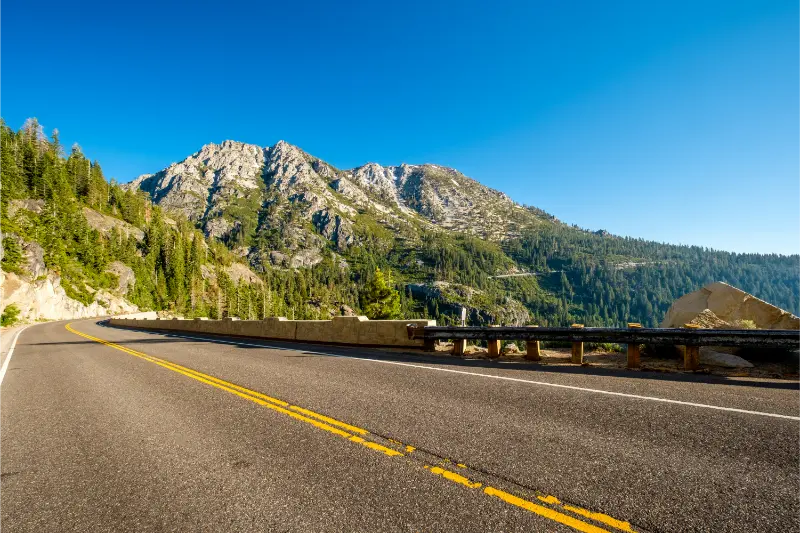
Lake Tahoe in summer looks simple on a map: a blue lake, one road around it, beaches everywhere and mountains rising behind the shore. In practice, the lake is large enough that choosing the wrong base can create hours of unnecessary driving. Popular beaches fill early, parking restrictions matter, and water that looks tropical in photographs can remain very cold. A successful first summer trip is less about “circling the lake” and more about choosing one or two areas and spending time outside the car.
This guide focuses on a three-day first visit. If you have only one day, choose either the South Shore or North Shore rather than trying to cover both. If you have five or more days, you can combine beaches, hiking and a quieter west-shore day without rushing.
North Shore or South Shore: choose before you book
South Shore is the easiest base for travelers who want a broad mix of hotels, restaurants, nightlife, beaches and quick access to viewpoints. South Lake Tahoe and Stateline also make sense if your trip continues toward Highway 50 or the Eastern Sierra.
North Shore tends to feel more residential and relaxed, with towns such as Tahoe City, Kings Beach and Incline Village spread around the lake. It can be a better fit for travelers who prioritize beach mornings, cycling and a quieter evening rhythm.
West Shore is beautiful and wooded, with Emerald Bay and state-park scenery nearby, but it is less convenient if you plan to dine in a different town every night. The main lesson is that no shore is “best” in isolation; the right base depends on what you want to do most.
How much time do you need?
Three nights is a useful minimum for a summer trip because it gives you two full days plus arrival and departure time. Four or five nights are better if you want one substantial hike, a beach day, a boat activity and a scenic drive. A two-night stop can work as part of a larger Northern California road trip, but you should keep the plan simple.
Beach parking is one of the biggest summer issues
Popular beaches can reach capacity early on summer weekends and holidays. Do not arrive at midday expecting to park next to the sand at the most famous location. Start early, use public transportation or seasonal shuttles where available, and have a second beach in mind.
Parking rules vary among state parks, city beaches and private or concession-operated areas. Some lots charge fees, some have time limits and some close when full. Check the current beach or park page before leaving the hotel rather than relying on an old blog post or cached map.
The lake is colder than it looks
Lake Tahoe is an alpine lake. Even on a hot day, the water can be cold enough to surprise swimmers. Enter gradually, supervise children closely and do not assume a confident pool swimmer will react calmly to cold open water. Wind can also change lake conditions during the day.
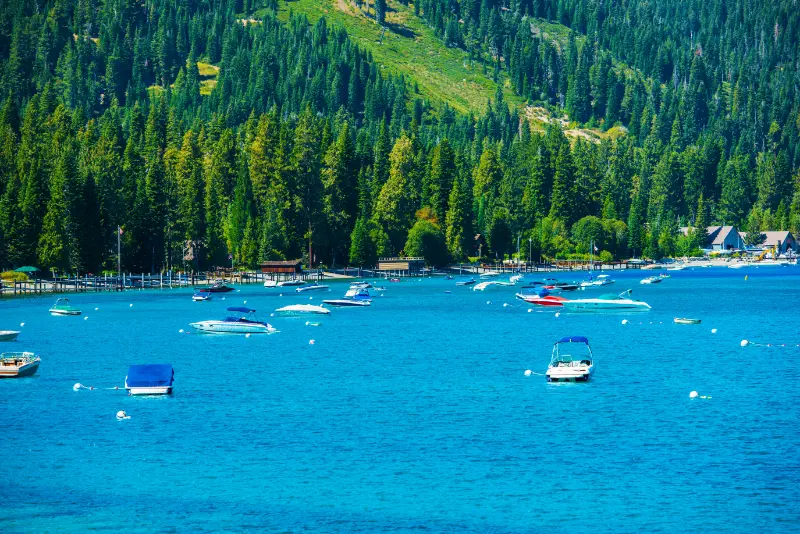
For families, shallow sandy areas are usually easier than rocky coves. Water shoes can help on stone beaches, but they do not replace supervision. If you rent a paddleboard or kayak, follow the operator’s safety instructions and wear the recommended flotation equipment.
Best first-time summer experiences
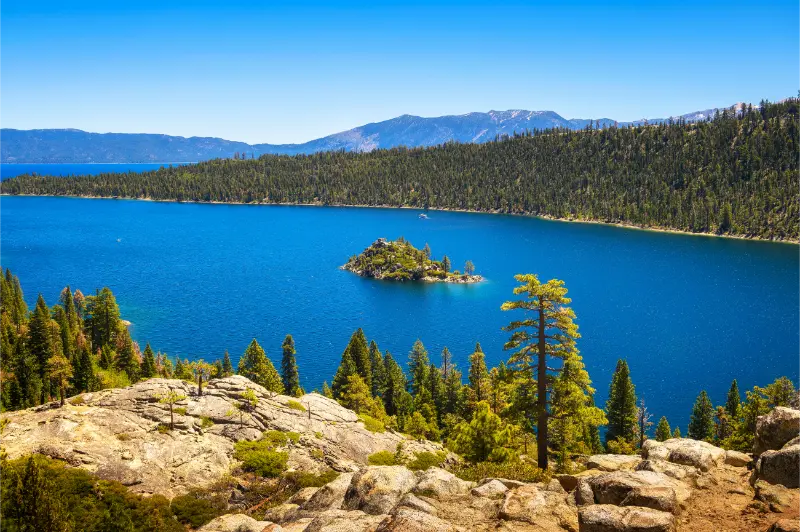
Emerald Bay: one of Tahoe’s classic landscapes. Viewpoints can be busy, so visit early. If hiking down toward Vikingsholm, remember that the climb back to the road is uphill and can feel much harder in afternoon heat.
Sand Harbor: known for clear water and granite boulders. Access and parking procedures can change, and summer demand is high. Verify current Nevada State Parks information before your day.
Tahoe City / Kings Beach: useful North Shore bases with easier access to meals, local beaches and a slower town experience.
South Lake Tahoe: practical for travelers who want services, restaurants, a broad lodging range and short drives to several attractions.
Hiking: pick one trail that matches your fitness
Tahoe offers everything from short shoreline walks to steep mountain hikes. First-time visitors often make the mistake of choosing a famous trail without accounting for altitude. The lake surface is already above 6,000 feet, and higher trails climb rapidly. If you live near sea level, pace yourself on the first day.
Carry more water than you would on a city walk, use sun protection and check wildfire restrictions. Afternoon thunderstorms can occur in mountain regions, so longer hikes are usually better started early. Do not rely on cell service on remote trail sections.
Cycling and car-light options
Parts of the Tahoe Basin have paved shared-use paths, and cycling can be a good way to avoid moving the car for every short trip. However, the full road around the lake is not a casual family bike loop; traffic and shoulder conditions vary. Choose dedicated paths and local segments appropriate to your group.
Seasonal transit can reduce parking stress, especially on busy corridors. Check the current local transit systems for the shore where you are staying. A hotel within walking distance of dinner can make a bigger difference than a scenic hotel several miles from everything.
Wildfire smoke and summer flexibility
Wildfire smoke can affect Tahoe even when the fire itself is far away. Air quality may change rapidly with wind. If smoke becomes significant, strenuous hiking may not be appropriate. Keep one lower-intensity day in reserve: a short lakeside walk, a museum or historic site, a meal-focused town day, or leaving the basin earlier than planned.
Use official fire and air-quality information close to travel rather than trying to predict conditions months ahead. The purpose of a flexible plan is not to assume a fire will happen; it is to avoid losing the entire trip if conditions change.
A realistic three-day Lake Tahoe summer itinerary
Day 1: choose your shore. After arrival, stay local. If based on the South Shore, walk the lakefront, settle into the hotel and use the late afternoon for an easy beach or viewpoint. If based on the North Shore, explore Tahoe City or Kings Beach. Avoid spending the arrival day driving a full lake loop.
Day 2: early beach + one scenic activity. Reach a popular beach early, spend the morning by the water, then have a proper lunch and choose one afternoon activity such as a short hike, gondola, easy cycling or a boat outing. Keep the evening close to your accommodation.
Day 3: Emerald Bay or the opposite shore. Start early for Emerald Bay if it is a priority. Alternatively, use the third day to see the opposite shore, but choose two or three stops rather than trying to stop at every turnout. Build parking time into the plan.
Should you drive all the way around Lake Tahoe?
The loop is scenic, but a “drive around the lake” can become a traffic-and-parking exercise in peak summer. If this is your first visit and you only have two or three days, you will usually have a better trip by exploring half the lake well. Save the complete loop for an extra day when traffic is light.
Lake Tahoe with children
Children generally enjoy Tahoe when days are simple: beach in the morning, lunch, one activity and pool or downtime later. Avoid combining a long hike with a long scenic drive on the same day. Bring warm dry clothes for after swimming because wind can make a wet child cold quickly.
For toddlers, a shaded beach setup and an accommodation with a kitchenette can be more valuable than a long list of attractions. For teens, paddle sports, biking and a more challenging hike may create better engagement than repeated scenic viewpoints.
Lake Tahoe for seniors and limited mobility
Choose a hotel close to the activity you value most and verify elevator, parking and room-access details directly with the property. Many scenic stops are visible from short walks, but steep lakeside trails and uneven granite surfaces can be demanding. State and local park sites can provide specific accessibility information for beaches and facilities.
Where Tahoe fits in a larger California trip
Tahoe combines naturally with Truckee, Sacramento, Reno, the Gold Country or a broader Sierra itinerary. It can also connect to the Eastern Sierra, but do not underestimate the driving distance and mountain-road time. If Yosemite is next, check whether Tioga Road is open before assuming the direct summer route will work.
Final summer advice
Lake Tahoe is best when you stop treating the lake as a checklist. Choose the right shore, start popular days early, respect the altitude and cold water, and leave enough unscheduled time to simply stay at the beach longer than planned. The scenery is the attraction; a good itinerary creates room to experience it rather than continuously driving around it.
Where to stay if you do not want to drive at night
If evening driving on mountain roads is stressful, choose accommodation within walking distance of restaurants or a small town center. South Lake Tahoe, Tahoe City and Kings Beach each offer different levels of walkability, but the exact block matters. Check the map around the hotel rather than relying on the town name alone.
This is particularly useful for families and older travelers. After a long beach or hiking day, being able to walk to dinner removes one more parking search and allows the driver to relax.
Altitude, sleep and the first day
Lake Tahoe sits at high elevation compared with most coastal California destinations. Some visitors notice shortness of breath, mild headache or poorer sleep after arriving from sea level. Keep the first afternoon easy, hydrate normally and postpone the hardest hike until you know how you feel. Anyone with relevant medical concerns should seek personalized advice before traveling to altitude.