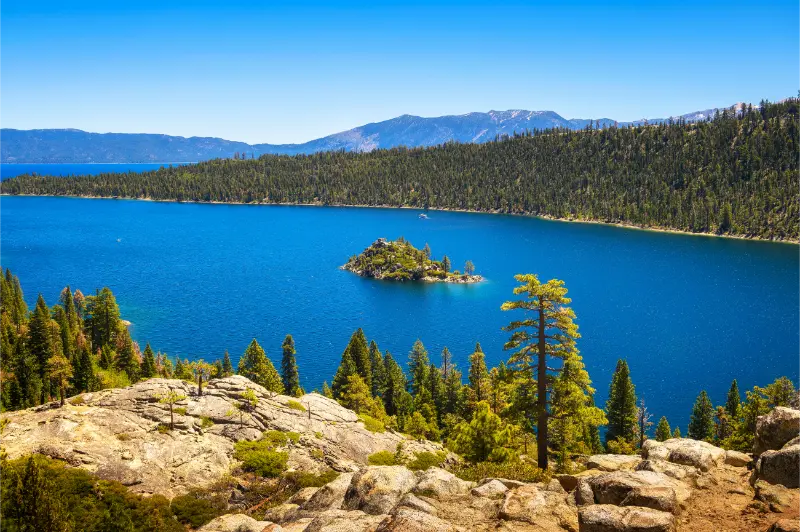
Lake Tahoe looks like one destination, but it behaves more like a collection of mountain towns wrapped around a large alpine lake. The first decision is not what to do. It is which shore should be your base. Once you solve that, the rest of the trip becomes much easier.
Tahoe sits on the California–Nevada border at more than 6,200 feet above sea level. That altitude influences weather, energy levels, road conditions and even how quickly you may tire on a hike. The lake is also big enough that driving all the way around it is a sightseeing day, not a ten-minute transfer.
North Shore or South Shore?
South Lake Tahoe has the largest concentration of lodging, restaurants and entertainment. It is convenient for first-time visitors who want plenty of services and easy access to Emerald Bay, beaches and the Nevada state-line area.
North Lake Tahoe and communities such as Tahoe City and Kings Beach generally feel more spread out and relaxed. They work well for travelers who prioritize lake scenery, outdoor activities and a quieter base.
There is no universally better side. Choose based on the activities you expect to do most, not on which hotel is ten dollars cheaper.
How many days do you need?
Three full days is an excellent first visit in summer or early autumn. It gives you one scenic-drive day, one lake or hiking day and one flexible day for beaches, a boat activity or a nearby mountain area. In winter, three or four days is better if skiing is important because weather can disrupt road plans.
A single night is enough to see the lake but not enough to settle into it. Tahoe is most enjoyable when one afternoon can remain unplanned.
When is the best time to visit?
Summer is the classic season for beaches, hiking, kayaking and long daylight, but popular beaches and trailheads can fill early. Autumn is excellent for hiking, cooler temperatures and a calmer atmosphere, though some seasonal services begin reducing hours. Winter transforms Tahoe into a major snow destination. Spring is transitional: you may have snow at elevation while lower trails begin to open.
There is no month when you can ignore the forecast. Even summer nights can be cool. In winter, snow chains or traction requirements can affect the roads suddenly.
Altitude: a practical issue, not a reason to worry
Lake Tahoe’s elevation is around 6,225 feet, and hikes quickly climb higher. Many visitors feel no major effect, but some notice shortness of breath, mild headache or fatigue during the first day. Drink water, limit the first afternoon’s exertion and do not schedule your hardest hike immediately after a long flight and drive.
Older travelers and families with young children often benefit from the same strategy: make the first day about the lake rather than a steep trail.
Day 1: Emerald Bay and the southwest shore
Start early toward Emerald Bay, one of Tahoe’s most recognizable viewpoints. Parking can be the limiting factor, not the time needed for the view. Arriving earlier makes the day calmer and reduces the temptation to stop unsafely along the road.
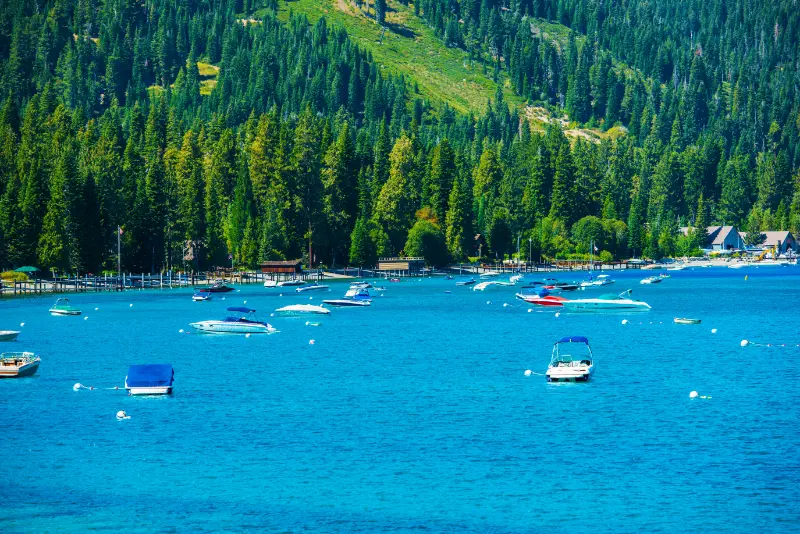
Continue along the southwest shore with a beach, picnic or short walk. In summer, places such as Pope Beach and Baldwin Beach are popular, but access and parking conditions can vary. Choose one beach rather than trying to sample four.
Finish with an easy evening in South Lake Tahoe or your chosen base. The first day should help you adjust to altitude, not exhaust you.
Day 2: choose water or mountains
If the weather is calm, make the lake itself the focus. Kayaking, paddleboarding or a boat cruise changes your perspective completely. Tahoe’s water can remain cold even when the air is hot, so do not confuse a warm beach day with warm swimming conditions.
If you prefer hiking, choose a trail appropriate for your fitness and the snow situation. The region has everything from shoreline paths to steep alpine routes. Do not select a hike only because it appears on a “best of Tahoe” list; elevation gain and sun exposure matter.
Day 3: explore the other shore
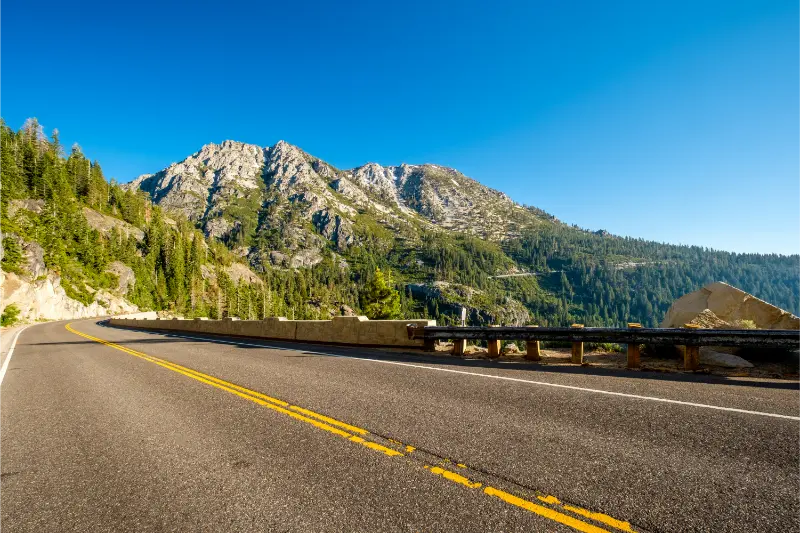
Use the third day to visit the side of Tahoe where you are not staying. The scenic route around the lake is roughly 72 miles, but traffic, overlooks, beach stops and towns mean it should be treated as a full sightseeing day.
Do not race around the entire shoreline simply to say you completed the loop. Pick three or four stops: perhaps Tahoe City, Kings Beach, a Nevada-side viewpoint and one beach or short trail. The official visitor bureaus publish a scenic drive guide around Lake Tahoe.
Should you rent a car?
A car gives the most flexibility for a first visit, particularly if you want different beaches, trailheads and both shores. Some local transit and shuttle services exist, and certain trips can be built without driving every day, but the region is too spread out to assume urban-style public transport.
In winter, a rental car also creates responsibility. Confirm traction rules, tire equipment and the rental company’s policies before a storm arrives.
Summer parking strategy
Popular beaches and Emerald Bay areas can fill. Start with the most parking-sensitive stop and leave flexible attractions for later. If a lot is full, do not create a dangerous roadside parking solution. Continue to an alternative and return at another time.
Tahoe becomes much more relaxing when you have a backup beach and a backup trail saved offline.
Lake Tahoe with children
Tahoe is a strong family destination because a day can be as simple as beach, picnic and ice cream, or as active as hiking and paddling. The most useful family planning tip is to avoid changing activities too often. Loading children, beach gear and snacks into the car six times a day defeats the point of being at a lake.
Choose a base near the activity you will use most. A family that wants a daily beach should prioritize easy shoreline access over a hotel with a slightly better room view.
Our California with kids guide includes broader pacing advice.
Older travelers and limited mobility
Tahoe offers substantial scenery without difficult hiking. Scenic overlooks, lakefront parks, boat cruises and accessible town areas can form a satisfying trip. The challenge is often parking, uneven natural surfaces and altitude rather than distance.
Plan the busiest viewpoint for the quietest time of day and leave longer recovery periods between stops. In winter, icy surfaces deserve as much attention as the road conditions.
Wildfire smoke and changing conditions
Late summer and autumn travel in the Sierra can be affected by wildfire smoke even when a fire is not immediately near Tahoe. Air quality can change quickly. Check official local alerts and air-quality information rather than relying only on a general weather app.
If visibility is poor, a lake-view itinerary may not deliver what you expected. Build one or two indoor or low-exertion alternatives into the trip.
Where Tahoe fits into a California itinerary
Lake Tahoe combines naturally with Sacramento and the Sierra, and it can pair with Yosemite on a longer mountain-focused trip when seasonal roads cooperate. It is less efficient as a quick detour from the classic coastal route.
Driving from San Francisco is possible, but a weekend departure can face traffic. If Tahoe is a priority, give it two or three nights rather than treating it as a photo stop.
Compare your route with our 10-day California road trip before adding another Sierra destination.
What to pack
Bring layers, sun protection, a refillable water bottle, footwear suitable for the activities you actually plan to do and a light jacket even in summer. In shoulder seasons, add warmer clothing than the forecast at lower elevations might suggest.
For beach days, remember that alpine water and mountain sun create an unusual combination: you can feel hot on the sand and very cold in the water.
A realistic first-time plan
Day 1: Emerald Bay, one southwest-shore stop and a relaxed evening near your base. Day 2: one major activity—lake or mountain—plus an easy late-afternoon town or beach. Day 3: explore the opposite shore with three or four selected stops.
This is enough to understand Tahoe without spending the entire trip in traffic.
How to choose your exact base around the lake
If you want restaurants and evening activity within walking distance, South Lake Tahoe is the easiest first-time base. If your priority is a quieter village atmosphere and north-shore beaches, look around Tahoe City, Kings Beach or nearby communities. Ski trips should be planned around the mountain you intend to use most, because crossing the lake every morning can turn a holiday into a commute.
Also check whether the accommodation includes parking and whether winter access requires steep local roads. A beautiful cabin can be less convenient than a simpler hotel when snow is falling or when you want to walk to dinner.
Final advice
Choose your shore first, then choose your activities. Tahoe is not a checklist destination. It is a place where a single beach, a slow drive and one good trail can fill a day beautifully. The less often you cross the lake to chase “must-sees,” the more time you actually spend beside it.