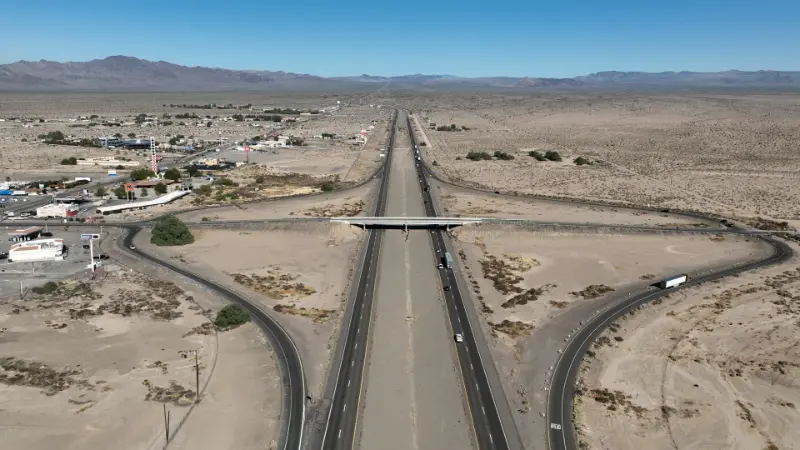
San Bernardino rarely appears at the top of a first California wish list, and that is exactly why it can work so well. In the Inland Empire at the foot of the San Bernardino Mountains, it offers Route 66 context, mountain access and a practical position between Los Angeles, desert and alpine destinations. The key is to visit it for what it actually is rather than expecting a miniature version of San Francisco, Los Angeles or a resort town.
This guide is designed for travelers who want a useful two-day stop, a smart overnight on a longer route or a calmer base from which to explore nearby places. For wider planning, the most relevant California for You guides are Big Bear Lake first-time guide Lake Arrowhead first-time guide California mountain driving. The goal is not to add another stop just to say you have been there; it is to decide whether San Bernardino makes your route better.
Quick planning summary
| Best for | Route 66 context, mountain access and a practical position between Los Angeles, desert and alpine destinations |
|---|---|
| Ideal stay | 1–2 nights for most first-time visitors |
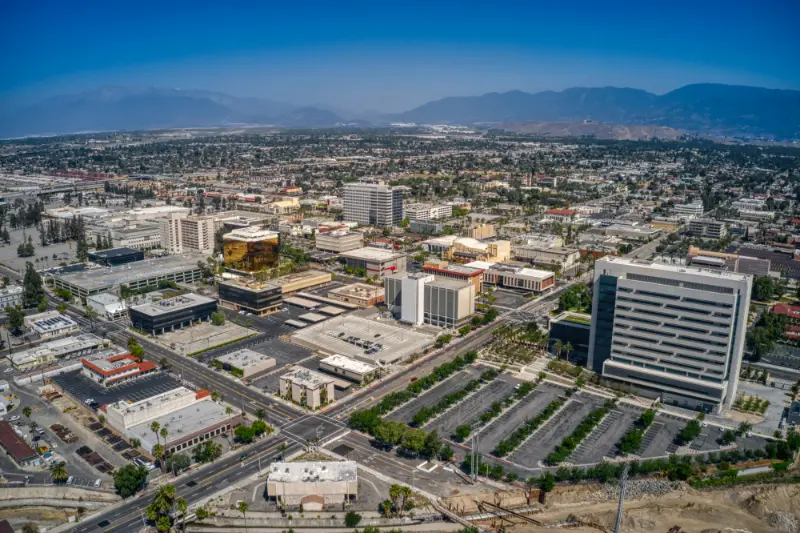
| Main anchors | historic Route 66 corridors, downtown landmarks and the mountain backdrop |
| Good combinations | Lake Arrowhead, Big Bear Lake, Redlands and the Mojave Desert |
| Car needed? | Usually helpful, although the central area can often be explored on foot |
| Planning issue | summer heat can be severe in the valley while mountain weather may be much cooler; winter road conditions can change quickly at higher elevations |
Why visit San Bernardino?
San Bernardino is most useful as a connecting chapter in a Southern California road trip. It explains the transition from metropolitan Los Angeles to mountains and desert in a way that beach cities cannot.
The practical advantage is location. Many California itineraries fail because travelers keep choosing the most famous overnight stop even when it creates backtracking, expensive parking or an unnecessarily long next morning. A night in San Bernardino can be valuable when it divides a difficult drive, gives you a different side of the state and lets the following day begin closer to where you actually want to be.
How long do you need?
One day is enough to see the essential core if San Bernardino is a road-trip stop. Two days is better if you want one local day and one regional excursion. More than two nights makes sense mainly when the city is serving as a base, you are visiting friends or family, attending an event, or deliberately traveling slowly.
Do not measure the stay by the number of attractions on a list. Measure it by driving time, parking, meal breaks and how much energy your group will still have. California distances are often deceptive because metropolitan traffic, mountain roads and summer heat can turn a short line on a map into a tiring half-day.
Day 1: understand the city before chasing side trips
Explore the Route 66 and local-history side of the city, then use the late afternoon for a short foothill or Redlands detour rather than a long mountain drive after dark.
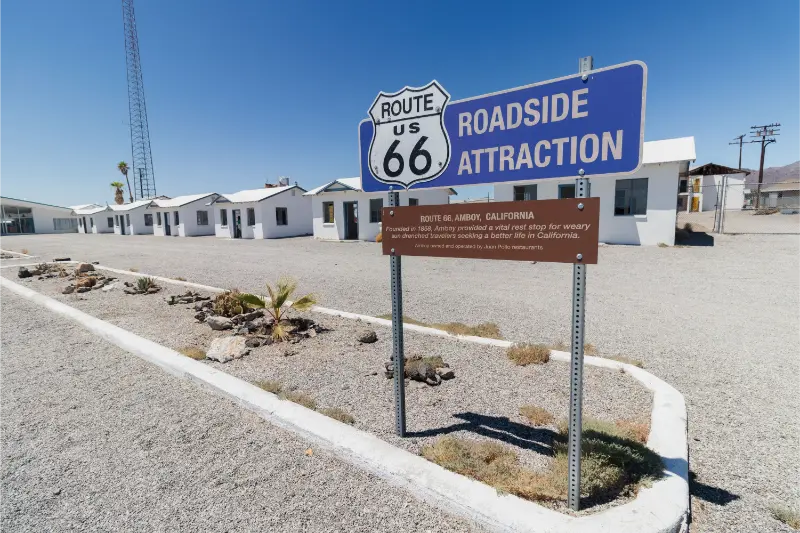
The first day should stay geographically compact. Park once when possible, walk the central area and build the schedule around one anchor rather than five minor stops. This gives you room for a longer lunch, a shop you did not expect to like or a museum visit that takes more time than planned. It also prevents the common road-trip mistake of spending more time returning to the car than experiencing the destination.
Day 2: add the landscape around San Bernardino
Head into the San Bernardino Mountains only after checking road and chain conditions, or continue east toward the desert if that better fits the road trip.
This second day is where the destination earns its place in a wider California itinerary. The surrounding landscape often explains the city better than another downtown loop. Choose one direction and one theme. A coast, mountain, wine-country, redwood, agricultural or historic excursion is usually more satisfying than trying to touch three regions in a single day.
Where to stay
choose location based on the next morning’s route, because the wider Inland Empire is spread out and traffic direction matters. For a one-night road-trip stop, easy parking and a simple morning exit can be more valuable than a decorative lobby. For two nights, walkability becomes more important because it gives everyone a break from the car.
Compare the total nightly price, not only the room rate. Parking, destination fees, breakfast and the cost of driving back to the center can change the real value. Families should also look for refrigerators, laundry access, connecting rooms or a sofa bed when those features reduce daily friction.
Getting around
A car is the easiest option for most visitors because California’s secondary cities usually have attractions and day-trip destinations spread over a wide area. Still, avoid using the car for every block. If the hotel is near the center, walk the compact parts and save the vehicle for the regional excursion.
Before a longer driving day, fill the fuel tank or check your EV charging plan, download offline maps and look at road conditions. This matters especially when the next leg involves mountains, remote coast, desert or national-park territory. Do not assume mobile service will remain strong once you leave the urban corridor.
Best time to visit
summer heat can be severe in the valley while mountain weather may be much cooler; winter road conditions can change quickly at higher elevations. Shoulder seasons are often the easiest choice because accommodation demand can be lower and outdoor time more comfortable. Summer works when the trip is already passing through the area, but the schedule may need to shift toward early mornings, shaded lunches and later evenings.
Winter is not automatically a bad time. In many parts of California it means greener landscapes, fewer crowds and easier reservations. The trade-off is shorter daylight, possible rain and, near mountain routes, the need to check snow and chain controls before departure.
Traveling with children
For families, the best plan is usually one history stop plus a mountain or park element. Avoid making children sit through a full day of driving simply because several regions look close on the map.
A two-day family visit should have only one major commitment each day. Keep snacks and water accessible, know where the nearest restroom is before starting a long walk and allow the hotel to function as part of the itinerary. A pool hour or an early bedtime is not wasted vacation time if it makes the next day better.
Traveling with older adults or limited mobility
Choose the most accessible version of the city rather than the most ambitious itinerary. Stay close to the first attraction of the morning, use short walks with seated breaks and confirm elevator, restroom and parking access directly with venues when those details are essential. California’s heat and elevation changes can affect stamina even when the walking distance looks modest.
For multigenerational groups, split activities when necessary. One person can enjoy a longer trail or shopping stop while another rests at a cafe, park or hotel. The best itinerary is the one that keeps the group comfortable enough to enjoy dinner together.
Food strategy
Use meals to understand the region, but do not turn every meal into a reservation. Choose one place per day that matters, then let breakfast and the second meal stay flexible. Markets, bakeries, casual local restaurants and neighborhood food can often tell you more about a city than an expensive dining room.
If you are continuing a road trip, buy water and a few durable snacks before leaving town. This is particularly useful when the next stretch has limited services or when a traffic delay pushes lunch later than expected.
What to pack
Bring comfortable shoes, sun protection, a refillable water bottle and one extra layer even when the forecast looks straightforward. California’s microclimates are real: coast, valley, mountain and desert conditions can change dramatically within a few hours of driving. A small day bag with medication, power bank and a light jacket prevents many avoidable problems.
Parking and safety
Use normal urban precautions. Do not leave luggage, cameras or shopping bags visible in a parked car, especially when the vehicle contains everything for a multi-week trip. Move valuables into the hotel before sightseeing when possible. Follow posted parking restrictions rather than relying on what nearby cars appear to be doing.
For evening walks, choose active streets and ask the hotel which blocks are most convenient for visitors. Conditions can change from one neighborhood to another, and local advice is more useful than broad stereotypes about an entire city.
Common mistakes
The first mistake is adding San Bernardino without understanding why it improves the route. The second is spending the whole visit in the car because every nearby attraction seems “only” another 30 or 40 minutes away. The third is ignoring weather and daylight. The fourth is trying to make a secondary California city behave like a major tourist center with constant attractions and late-night services.
The better approach is simple: one strong local day, one regional day, and enough unscheduled time to eat well, rest and adjust.
Who should skip San Bernardino?
Skip it when it creates a detour from the places you care about, when you have only a very short first California trip, or when another base clearly reduces driving. A complete California itinerary is not one that includes the most cities. It is one that uses each overnight stop for a purpose.
Final verdict
San Bernardino is worth considering when you want Route 66 context, mountain access and a practical position between Los Angeles, desert and alpine destinations. Give it one or two days, keep the plan realistic and use the surrounding region as part of the experience. That approach turns a place many travelers drive through into a useful, memorable piece of the trip.