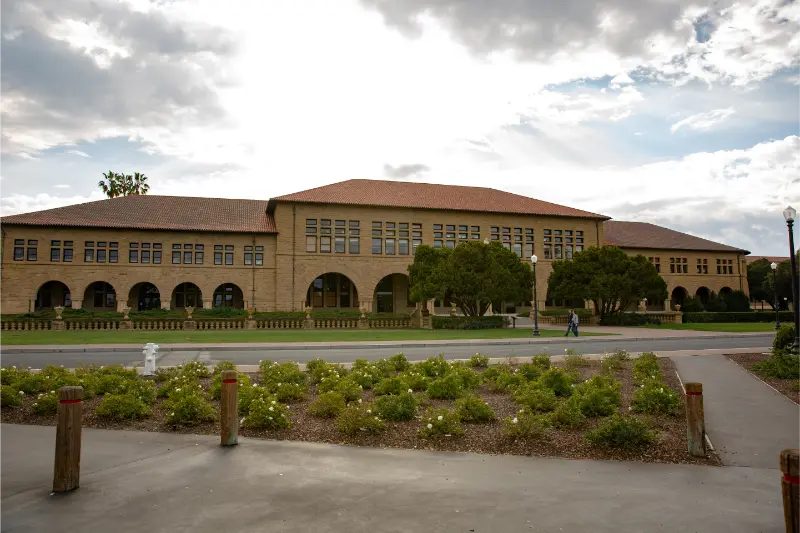
Silicon Valley is one of the most famous place names in the world and one of the easiest California destinations to misunderstand. There is no single downtown called Silicon Valley, no official scenic route linking every technology company, and many corporate campuses are workplaces rather than visitor attractions. A good trip is therefore built around the places that are genuinely open and interesting to the public.
For a first visit, I would spend two days using Palo Alto, Stanford and Mountain View as the core. That gives you university architecture and public art, a walkable downtown, the Computer History Museum and enough time to see the region without driving around office parks hoping to glimpse something behind a sign.
Quick planning snapshot
| Decision | Practical answer |
|---|---|
| Ideal stay | 2 days for Palo Alto/Stanford + Mountain View; add San Jose for a broader trip. |
| Car needed? | Helpful, but Caltrain plus local shuttles works for a focused itinerary. |
| Best for | Technology history, university atmosphere, architecture, innovation and Bay Area road trips. |
| Not ideal for | Travelers expecting theme-park-style tours of major tech headquarters. |
| Best base | Palo Alto, Mountain View or San Jose depending on the rest of your Bay Area plan. |
Day 1: Stanford and Palo Alto
Start at Stanford University while you have energy for walking. The central campus is large, but first-time visitors do not need to see every school or athletic facility. Focus on the Main Quad, Memorial Church area, public art and one museum or garden that genuinely interests you.
Stanford’s official visitor information is important because guided-tour schedules change by academic period and some programs require registration. Self-guided visits remain useful even when a formal tour is unavailable. The campus also operates the free Marguerite shuttle on published routes, which can reduce walking when service fits your day.
Stanford is not an amusement attraction
The university is an active academic campus. Classes, research, student life and special events take priority over tourism. Walk respectfully, do not enter restricted buildings, and avoid treating students as part of the attraction. This matters especially during orientation, exams and graduation periods.
Prospective students can use official admissions tours when available; ordinary visitors are usually better with public areas, art, architecture and self-guided resources. Stanford publishes accessible visitor routes and current parking information, so check those before arrival rather than relying on old travel blogs.
Cantor Arts Center and outdoor sculpture
If art interests you, Stanford can easily become more than a campus photo stop. The Cantor Arts Center and nearby outdoor works give the day a cultural dimension that has nothing to do with software companies. Current exhibitions, tour times and opening days change, so confirm them directly.
This is also a useful indoor option on a hot or rainy day. Families can shorten the museum visit and focus on a few rooms rather than asking children to process an entire collection after a long campus walk.
Palo Alto after the campus
Downtown Palo Alto gives you the ordinary urban piece that campus lacks: cafés, restaurants, bookstores and a compact place to slow down. University Avenue is the obvious first-time corridor, but the value is not a list of mandatory businesses. It is having lunch or dinner somewhere walkable after several hours on campus.
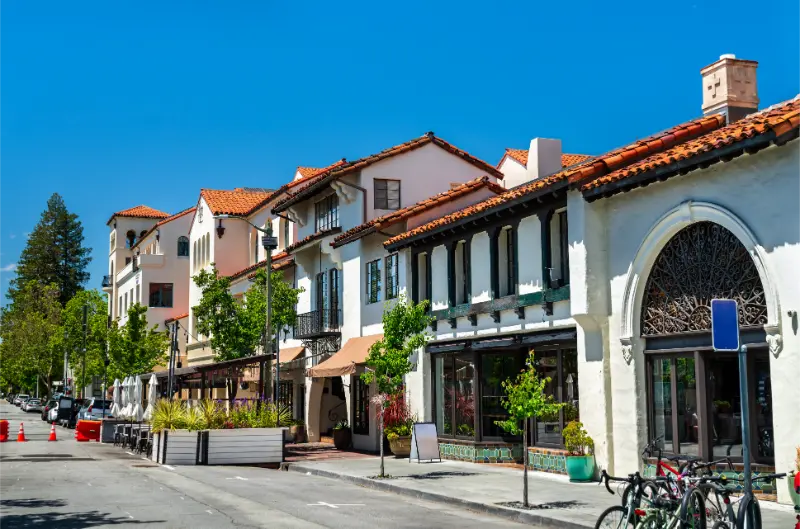
If you are traveling by Caltrain from San Francisco or San Jose, Palo Alto is one of the easiest stops to structure without a car because the station sits close to downtown and Stanford connections.
Day 2: Computer History Museum and Mountain View
The Computer History Museum in Mountain View is the strongest public-facing technology attraction for most first-time visitors. Its collections cover computing history rather than functioning as a showroom for one current company, which makes the visit more meaningful even if you are not a software professional.
The museum currently operates Wednesday through Sunday in 2026, with holiday exceptions, and the average visit can easily take a few hours. Check the official calendar before choosing the day because Monday/Tuesday closures or special-event closures can break an otherwise perfect itinerary.
How long to give the Computer History Museum
I would allow roughly 2.5 to 4 hours depending on interest. Technology enthusiasts can stay longer, while families with younger children may prefer a focused visit to interactive and visually engaging exhibits. The museum publishes current demonstrations and tours, which can add value if one aligns with your schedule.
Do not schedule a major San Jose museum immediately afterward unless everyone in the group genuinely enjoys museum-heavy days. A Mountain View lunch, Shoreline-area walk or relaxed evening is often a better complement.
What about Google, Apple, Meta and other campuses?
This is where first-time expectations need adjustment. Corporate campuses vary in what is open to the public, and access rules can change for security, construction or company policy. A visible sign or visitor center can be worth a short stop if it is already on your route, but I would not build the trip around entering office buildings.
Use official company visitor information when a public facility exists and respect posted boundaries. Driving between headquarters for logo photos becomes repetitive quickly and tells you less about Silicon Valley than the university, museum and cities do.
Add San Jose if you have a third day
San Jose is the region’s largest city and adds museums, food, neighborhoods and historic attractions. Our San Jose guide gives it two days, but you can choose one priority such as the Tech Interactive, downtown, Japantown or the Winchester Mystery House if your schedule is shorter.
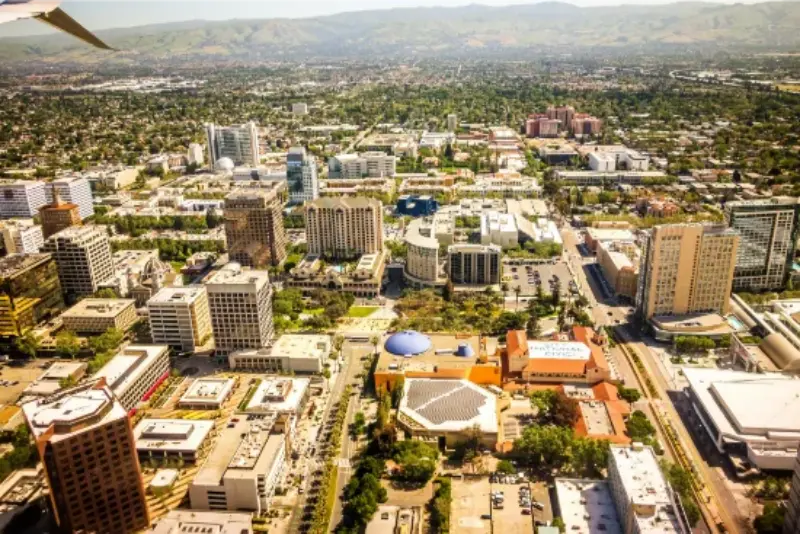
A third day also helps if your flights use San Jose International Airport. Instead of treating the airport as a distant transfer point, make San Jose part of the trip and reduce unnecessary backtracking.
Getting around: Caltrain vs car
Caltrain connects San Francisco, Palo Alto, Mountain View and San Jose, making a car-light trip realistic when you focus on downtowns, Stanford and major transit-accessible attractions. The last mile is the important part: a station may still be some distance from a museum or campus entrance.
A car gives more flexibility for dispersed corporate areas and suburban restaurants, but parking rules differ by campus and city. If you rent one, do not leave luggage or electronics visible while sightseeing.
Where to stay
Palo Alto is convenient if Stanford is central and you value a walkable evening. Mountain View works well for the Computer History Museum and a quieter base. San Jose usually offers the broadest city infrastructure and is useful when the trip includes the southern Bay Area.
If Silicon Valley is only a day trip inside a longer San Francisco vacation, you may not need to change hotels. Compare the total door-to-door time before moving luggage for one night.
Silicon Valley with children and teenagers
Teenagers interested in technology, engineering or university life can get a lot from this itinerary because it mixes real institutions rather than corporate mythology. Younger children usually need shorter museum blocks and more open space. Stanford’s campus walk can work well if you turn it into architecture, fountains, art and a picnic rather than an admissions lecture.
The Computer History Museum states that its exhibits are wheelchair accessible and provides visitor amenities; confirm stroller and large-bag rules before arrival. Families should also avoid leaving a museum for rush-hour traffic if a dinner break can shift the drive later.
Older travelers and accessibility
Stanford’s central visitor routes are relatively flat compared with San Francisco, and official tours describe substantial portions of the campus as accessible. The distances are still significant, so use the Marguerite shuttle when practical and plan seated breaks.
At the Computer History Museum, accessible exhibits and wheelchairs are available subject to current policy. Palo Alto and Mountain View downtowns are easier terrain than many Bay Area hillside neighborhoods, making this a useful lower-strain side trip.
Common mistakes
- Expecting to tour private offices simply because a company is globally famous.
- Trying to visit Stanford, Mountain View, San Jose and San Francisco in one day.
- Ignoring museum closure days and academic-calendar changes.
- Driving from campus to campus for logo photos instead of spending time in public institutions.
- Booking a hotel based only on the words ‘Silicon Valley’ without checking the exact city and commute.
How to combine Silicon Valley with a larger California trip
Silicon Valley fits naturally between San Francisco and Monterey/Santa Cruz or as a Bay Area side trip. It also pairs with Oakland and Berkeley for travelers interested in universities and regional culture, although those belong on separate days.
The best version is not a pilgrimage to company logos. It is a two-day look at the institutions, people and places that explain why this region became influential in the first place.
Official information to check
Use Stanford Visitor Information for current campus access, tours, parking and the Marguerite shuttle. The Computer History Museum publishes current opening days, tickets, demonstrations and visitor guidelines. Check Caltrain for schedules if you are traveling car-light.
Do not confuse innovation tourism with shopping
Silicon Valley is more interesting when you focus on how technology developed than when you search for branded merchandise. A museum artifact, Stanford research building exterior or public art walk tells a richer story than an office-park selfie. Leave room for ordinary downtown cafés and neighborhoods; they show how the region functions between the famous names.
If you are traveling with a technology enthusiast, let that person choose one deep-dive stop while the rest of the group chooses a meal, garden or art stop. That trade keeps a two-day itinerary enjoyable for mixed interests.