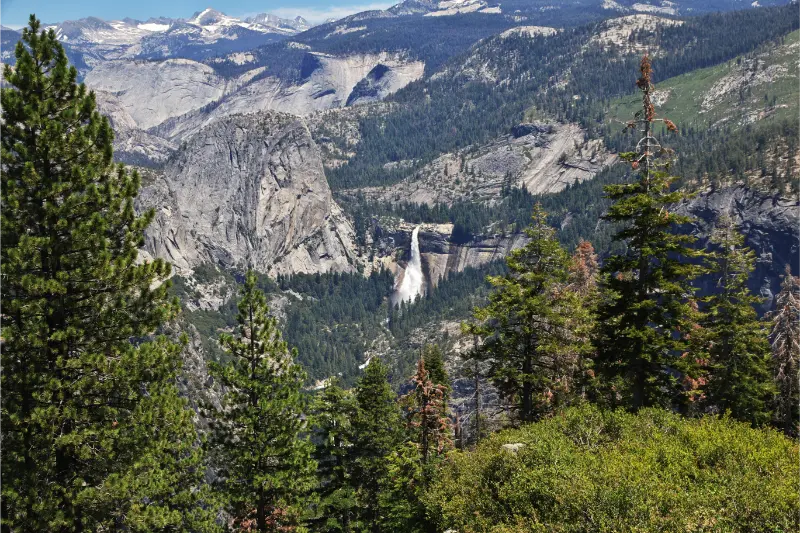
Yosemite is often described as a stop on a California road trip, but it does not behave like a normal stop. The park is large, access is seasonal, parking can fill, and a hotel that looks close on a booking map may still require a long drive to Yosemite Valley. Planning the park well can improve the entire California trip.
For a first visit, think less about “seeing Yosemite” and more about choosing one or two park zones that fit your season and energy level. Yosemite Valley alone can justify a full day.
How many days do you need?
| Time in Yosemite | What it realistically allows |
|---|---|
| 1 day | Yosemite Valley highlights and short walks; best only if you sleep close to the park |
| 2 days | Valley + another zone or a longer walk, depending on season |
| 3 days | A much better pace with weather/traffic flexibility and time beyond the Valley |
| 4+ days | Hiking-focused trip, multiple regions or a slower nature stay |
Two nights is the minimum I would build into a broader California road trip. One night creates too much risk: if you arrive late and leave early, the transfer can become longer than the actual park experience.
Where to stay
Inside Yosemite National Park
Staying inside the park gives you the strongest logistical advantage because you reduce entry driving and can start early. The trade-off is limited supply and strong demand. Lodging ranges from historic hotels to simpler cabins and camping, and popular dates can book far ahead.
El Portal
El Portal is outside the park but relatively convenient for the Arch Rock entrance and Yosemite Valley. It can be a useful compromise when in-park lodging is unavailable.
Mariposa
Mariposa has more town services and accommodation, but the daily drive to Yosemite Valley is longer. It can work for budget or dining flexibility, especially if you do not mind early starts.
Oakhurst / Fish Camp
These southern bases are convenient for the South Entrance and Mariposa Grove area. They are less convenient if every day is focused on Yosemite Valley.
The important question is not “How many miles from Yosemite?” but “How long to the specific place I want to visit inside Yosemite?” Mountain and park roads make that distinction important.
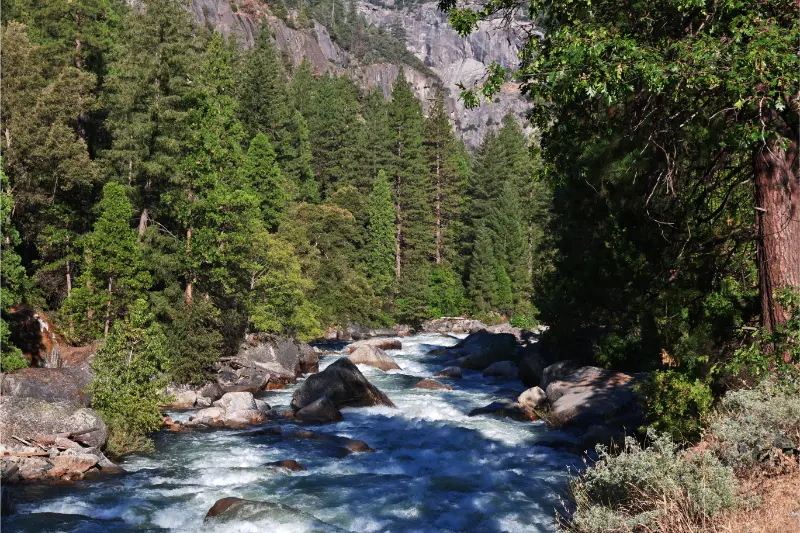
Do you need an entrance reservation in 2026?
As of 2026, Yosemite National Park does not require a reservation simply to enter the park. Entrance fees still apply, and reservations are required for lodging, camping and certain activities. The policy can change in future years, so check the official NPS permits and reservations page for your dates rather than relying on an old blog post.
When is the best time to visit Yosemite?
Spring
Spring is famous for waterfalls and green valley scenery. Higher-elevation roads and trails may still be closed by snow, so build the trip around Yosemite Valley and lower areas unless official conditions confirm otherwise.
Summer
Summer generally provides the broadest access and long daylight, but it is also busy. Start early and reserve accommodation well ahead. Afternoon heat can be significant at lower elevations, while nights can still be cool.
Fall
Fall often brings lower crowds and cooler weather, though waterfall flow may be reduced and early snow can affect higher roads. It is an excellent season for a relaxed valley trip.
Winter
Winter creates a quieter, dramatic Yosemite Valley, but snow and chain controls can affect access. Some roads and facilities are seasonal. Winter visitors need a simpler plan and confidence with mountain conditions.
One-day Yosemite plan for first-time visitors
If you truly have one full day, focus on Yosemite Valley. Start early, park once if possible and use shuttles or walking to connect the main areas. Depending on conditions and ability, combine Tunnel View, valley meadows, Yosemite Falls area, El Capitan viewpoints and a short riverside or paved walk.
Do not spend half the day driving to distant park zones. The valley contains many of the landscapes first-time visitors came to see, and the slower pace lets you notice scale that disappears through a windshield.
Two-day Yosemite plan
Day 1: Yosemite Valley
Use Day 1 exactly as above but with less pressure. Add a longer walk, museum/visitor-center time or sunset viewpoint. Keep the car parked as much as practical.
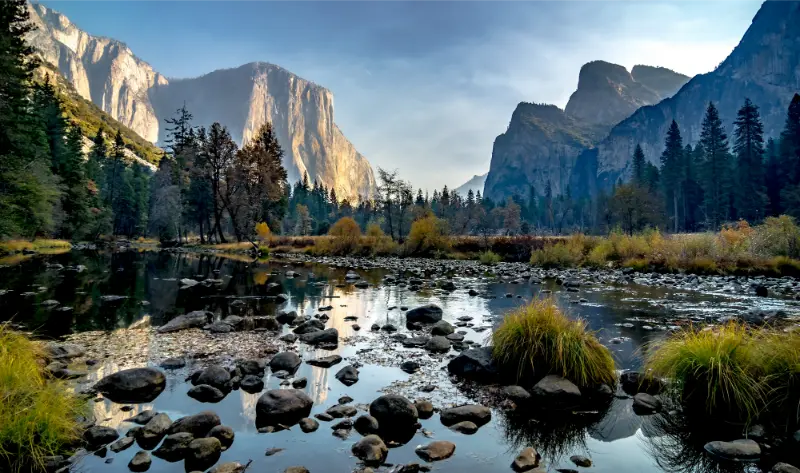
Day 2: choose by season
- If Glacier Point Road is open: use higher viewpoints and short walks for a completely different perspective.
- If Tioga Road is open: explore high-country scenery, but understand that it is a long drive from the Valley and deserves most of the day.
- If higher roads are closed: visit Mariposa Grove, Hetch Hetchy or spend a deeper second day in the Valley depending on access and your next destination.
Three-day Yosemite plan
Three days lets you stop treating weather or traffic as a crisis. Spend one full day in the Valley, one day in a seasonal higher area, and one day on a longer walk or a quieter zone. Families can turn the third day into a lighter picnic-and-viewpoint day; hikers can use it for a major trail.
Parking and getting around
Parking in Yosemite Valley can be difficult on busy days. Arrive early, park once and use the free shuttle system when operating. Repeatedly moving the car to save ten minutes of walking often costs more time than it saves.
Traffic management changes by season and year. Check the current NPS Plan Your Visit information before departure and again the evening before your park day.
Easy and lower-effort experiences
Yosemite is not only for serious hikers. Many iconic views can be reached from roadside overlooks, paved paths or short walks. Yosemite Valley has relatively level areas that work for families, older visitors and people who prefer a lower-intensity day.
- Tunnel View for a classic panoramic introduction.
- Valley View for a river-level perspective.
- Lower Yosemite Fall area when the trail and waterfall conditions make sense.
- Cook’s Meadow and nearby valley paths for open views.
- Visitor facilities and interpretive stops for context beyond photographs.
Accessibility can vary with construction, weather and seasonal operations. Check the NPS accessibility information for the specific places you plan to visit.
Yosemite with children
Children do not need a long hike to understand Yosemite. A successful day can include a waterfall, a picnic, a short nature walk, wildlife observation from a safe distance and time by the river. Junior Ranger programs can add structure for school-age children.
Avoid long midday hikes in hot weather. Bring snacks and water, and do not rely on finding food exactly when children become hungry. The park is large enough that a missed meal can become a long detour.
Yosemite for older travelers
Focus on scenery, paved or gentle paths, visitor centers and viewpoints close to parking or shuttle stops. Staying inside the park or close to an entrance reduces tiring daily driving. A two- or three-night stay can actually be easier than a rushed overnight even if the hotel costs more.
Food, fuel and phone coverage
Services exist in and around the park, but choices are limited compared with cities. Fill the fuel tank before entering remote sections, carry water and keep some food in the vehicle. Mobile coverage can be unreliable, so download maps and reservation details in advance.
Wildlife and basic safety
Never approach or feed wildlife. Store food correctly, follow bear-safety instructions and keep children close in parking areas and near water. Weather can change quickly in the mountains, and rivers can be cold and fast even on warm days.
If you plan a strenuous hike, use the official trail and weather information rather than a social-media clip. Yosemite is a natural environment, and conditions matter more than how easy a trail looked in someone else’s video.
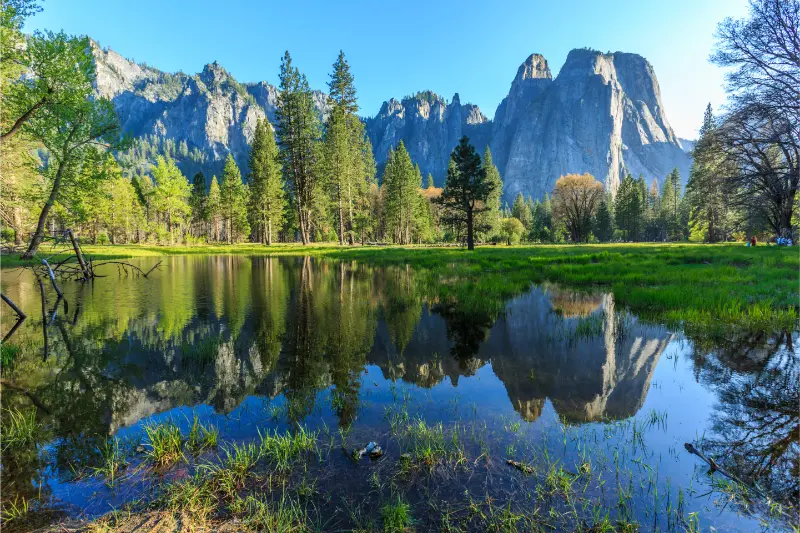
Common first-time mistakes
- Staying too far away. A cheap room can create hours of extra driving.
- Planning every famous viewpoint in one day. The distances are larger than they look.
- Assuming seasonal roads are open. Tioga and Glacier Point access varies with weather and season.
- Arriving at midday on a peak day and expecting easy parking. Start early.
- Treating Yosemite as a transfer stop. Give it at least one full day after arrival.
Where Yosemite fits in a California trip
Yosemite connects naturally with San Francisco, but the onward route depends on season. In a classic 10-day California itinerary, two nights gives the park enough weight without taking over the whole trip. In summer, high-country roads can create different east-side routing possibilities; at other times, you may need to exit the same side you entered.
The best Yosemite trip is rarely the most ambitious. Start early, choose one area, walk at a pace that lets you look up, and leave enough time for the unexpected view that makes you stop. Yosemite is one of the places where doing less often means seeing more.
Practical planning notes before you book
Before finalizing this trip, compare the location of each overnight stay with the first activity of the following morning. In California, moving a hotel by 20 or 30 miles can change the day more than upgrading the room. Also check parking fees, check-in times and whether breakfast is available early enough for your planned departure.
Keep digital copies of reservations but also download the essential addresses and confirmations for offline use. Mobile coverage can be weak in mountain, desert and coastal areas. If the day depends on a park road, ferry, tour or scenic route, check the official source again the evening before instead of relying on information saved weeks earlier.
Finally, plan one thing you are willing to remove. A flexible itinerary is more resilient to weather, traffic, tiredness and spontaneous discoveries. The easiest way to protect the quality of a California trip is to know which stop is optional before you need to make that decision on the road.