Ten days is enough for a memorable first California road trip, but not enough for every famous stop. The route below is designed around that reality. It gives you San Francisco, Yosemite, a taste of the Central Coast and Los Angeles while avoiding the exhausting pattern of changing hotels every night.
The itinerary works best as an open-jaw trip: fly into San Francisco and out of Los Angeles, or reverse it. If your flights require a round trip from the same airport, add a separate repositioning day rather than pretending the return drive is part of the sightseeing.
Good to know: This route is a planning framework, not a fixed schedule. Mountain roads, wildfire conditions and Highway 1 access can change. Check National Park Service alerts and Caltrans road conditions before departure.
Route overview
| Day | Sleep | Main idea |
|---|---|---|
| 1 | San Francisco | Arrival + easy waterfront/neighborhood walk |
| 2 | San Francisco | Classic sights without a car |
| 3 | San Francisco | Neighborhoods, Golden Gate area or Alcatraz |
| 4 | Yosemite area | Drive to Yosemite and first valley viewpoints |
| 5 | Yosemite area | Full Yosemite day |
| 6 | Monterey/Carmel | Leave the Sierra and reach the Central Coast |
| 7 | Santa Barbara area | Coast day, using the best open route |
| 8 | Los Angeles | Santa Barbara + Malibu or direct arrival in L.A. |
| 9 | Los Angeles | Full L.A. day |
| 10 | Departure | Final neighborhood or beach depending on flight time |
Day 1: arrive in San Francisco and keep it intentionally light
Do not build a major sightseeing day around an international arrival. Immigration, baggage, airport transfers and jet lag make arrival times unreliable. Check into the hotel, eat nearby and take a short walk that helps you understand the neighborhood.
Good low-pressure options include the Embarcadero, Ferry Building area, North Beach or a waterfront view, depending on where you stay. Save expensive timed tickets for later days. The goal is to be awake at the right time, not to “win” Day 1.
Day 2: San Francisco classics with minimal transport stress
Use public transport and walking rather than collecting a rental car immediately. A practical day could combine the Ferry Building and waterfront, a cable-car experience, Chinatown or North Beach, and time around Fisherman’s Wharf or the Presidio. Choose three zones, not seven.
San Francisco’s hills turn short map distances into real physical effort. If anyone in the group has limited mobility or simply tires easily, use transit uphill and walk downhill or on flatter waterfront sections. The first-time San Francisco guide includes a slower three-day structure.
Day 3: Golden Gate, neighborhoods or Alcatraz
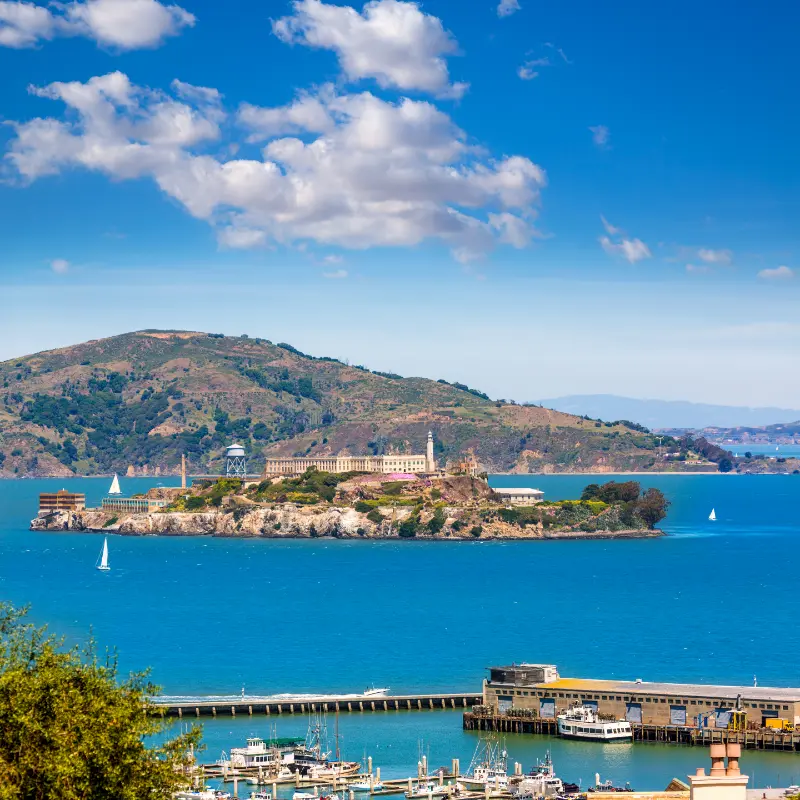
Make this the day for the experience that needs the most planning. If Alcatraz is a priority, reserve the official ferry well ahead for busy dates. If not, spend more time around the Golden Gate Bridge, Presidio, Golden Gate Park, Mission District or another neighborhood that matches your interests.
Do not rent the road-trip car the night before unless the hotel includes practical parking. Collecting it on the morning you leave often saves money and removes an unnecessary urban parking problem.
Day 4: San Francisco to Yosemite
This is the first real transfer day. The drive is long enough that you should leave after breakfast, but not so early that you arrive exhausted. Stop once for lunch and supplies before entering the park area, where food choices can be more limited and expensive.
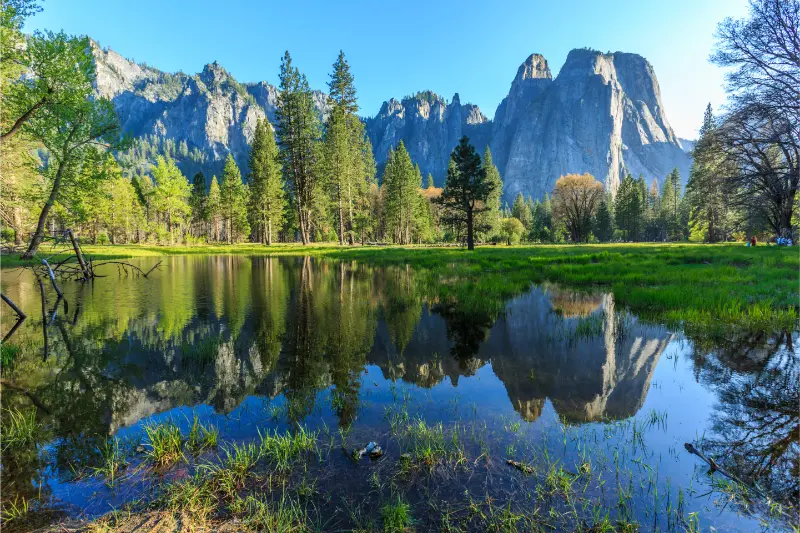
If you reach Yosemite Valley with several hours of daylight, use that time for an orientation loop: Tunnel View if it fits your approach, Yosemite Valley viewpoints, a short walk to the base of a waterfall when conditions allow, or simply time in the meadow areas. Do not start a long hike late in the day just because you finally arrived.
In 2026, Yosemite does not require an entrance reservation, but lodging, camping and some specific activities have their own rules. Requirements can change by year, so verify the official Yosemite permits and reservations page for your travel dates.
Day 5: full day in Yosemite
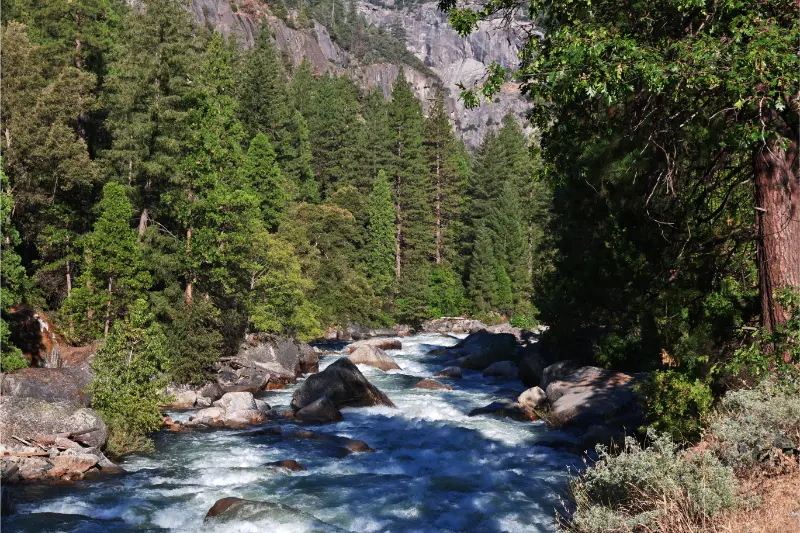
A first full day should focus on one zone rather than trying to cross the entire park. Yosemite Valley alone can easily fill the day with viewpoints, short walks, visitor facilities and longer hikes. Seasonal roads to higher elevations may or may not be open, depending on the month.
Start early. Parking and traffic become more difficult later on busy days, while morning light and cooler temperatures are pleasant. Use park shuttles when available and appropriate instead of repeatedly moving the car for short distances.
Traveling with children or older adults? Combine one meaningful walk with several short scenic stops. A successful Yosemite day does not need to include a strenuous trail. See the Yosemite guide for first-time visitors for one-, two- and three-day options.
Day 6: Yosemite to Monterey or Carmel
This is a substantial transfer and one of the reasons the itinerary gives Yosemite two nights. Leave after breakfast and aim to reach Monterey or Carmel by late afternoon. You are moving from the Sierra to the coast; accept that the drive is part of the day.
Once on the Monterey Peninsula, choose one simple evening: Cannery Row and the waterfront, Carmel-by-the-Sea, or sunset at a coastal viewpoint. Do not add the full 17-Mile Drive plus Big Sur plus an aquarium visit after a long drive.
Day 7: Central Coast southbound
The dream is Highway 1 through Big Sur, but the practical rule is to check the road before you go. Landslides, fires, repairs and one-way controls can affect the route. Use Caltrans QuickMap and the official highway information before leaving.
If the coast road is open and conditions are good, prioritize a few major stops rather than stopping every ten minutes. Bixby Creek Bridge viewpoints, Big Sur scenery, selected state-park areas and the San Simeon/Cambria stretch can fill a full day. If Highway 1 is not practical, use U.S. 101 and treat the day as a different road trip rather than a failed version of the original plan.
Sleep around Santa Barbara, Ventura or another practical coastal base. Driving all the way to Los Angeles after a full scenic day often turns the best day of the trip into the most tiring one.
Day 8: Santa Barbara to Los Angeles
Start with a relaxed morning in Santa Barbara. Walk the waterfront, explore the downtown/State Street area or have breakfast without rushing. Then continue south. If coastal conditions and traffic are reasonable, Malibu can be a scenic final transition into Los Angeles.
Choose your Los Angeles hotel based on Day 9. If museums and Hollywood are the focus, a central-western location may be useful. If the coast is the priority, Santa Monica can make more sense. The Los Angeles first-time guide explains why there is no universal “best area” for everyone.
Day 9: one coherent Los Angeles day
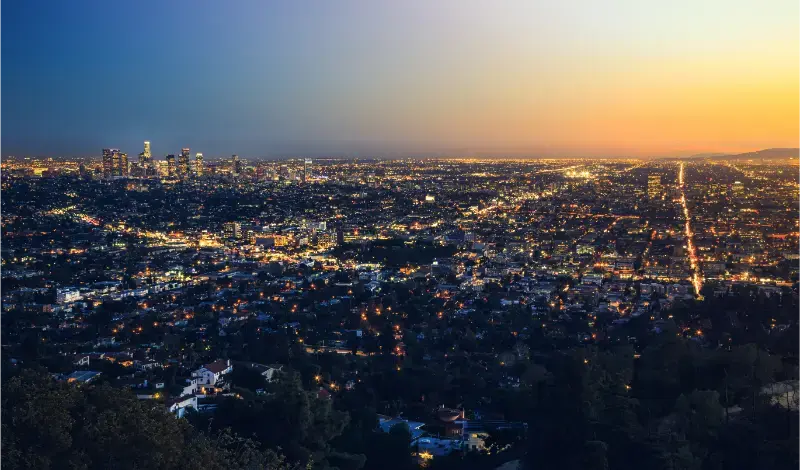
Los Angeles punishes over-planning because its attractions are spread across a huge metropolitan area. Pick one theme.
- Classic L.A.: Griffith Observatory area, Hollywood and a nearby museum or neighborhood.
- Coastal L.A.: Santa Monica, Venice and an evening in a nearby west-side neighborhood.
- Arts and culture: Downtown L.A., museums and food districts that can be grouped geographically.
- Family day: one major attraction or theme park, not a theme park plus a full city itinerary.
If you have a late flight on Day 10, move one smaller activity to the final morning instead of compressing it into Day 9.
Day 10: departure day
Departure days should be boring on purpose. Keep the final activity close to the airport side of the city, return the rental car with a large time buffer and account for Los Angeles traffic. A relaxed breakfast and beach walk can be a better final memory than a stressful cross-city sprint.
Should you add San Diego?
Not to this exact 10-day route unless you remove something else. San Diego deserves at least two nights. If it is a priority, remove the Central Coast overnight or shorten San Francisco, then travel from Los Angeles to San Diego for the final two nights and fly home from SAN.
Should you add Sequoia, Death Valley or Joshua Tree?
Again, not all three. A common planning mistake is to see California’s famous national parks as interchangeable dots. Each detour adds real driving and deserves daylight. In ten days, Yosemite is already the major inland nature component. For a desert-focused winter trip, you could replace Yosemite with Joshua Tree or Death Valley instead of adding them.
Rental car strategy
Stay car-free in San Francisco, then collect the car on Day 4. Keep it through Los Angeles and return it at the airport. This avoids several days of San Francisco parking costs while giving you full flexibility for the road-trip portion.
If everyone in the group has large luggage, choose a vehicle with a covered cargo area. Never leave visible bags in a parked car, especially at trailheads, city viewpoints or tourist stops.
How to make this route work for families and older travelers
- Keep San Francisco and Yosemite at two or three nights each.
- Use a midday break on long sightseeing days.
- Avoid stacking a long hike and a long transfer on the same day.
- Choose hotels with easy parking outside dense city centers when you already have the car.
- At Yosemite, use short accessible or mostly level experiences if hills and trails are not suitable.
- On the coast, stop at fewer viewpoints and allow more time for restrooms and meals.
What I would change with 12 or 14 days
With two extra days, I would add a second night on the Central Coast and a third night in Los Angeles. With four extra days, I would add San Diego for two or three nights and still keep a buffer. The point of extra time is not to double the number of destinations; it is to transform the trip from a sequence of highlights into a vacation.
Final planning checklist
- Open-jaw flights checked before booking.
- Yosemite lodging/camping and current access rules verified.
- Highway 1 status checked near departure.
- Rental car collected only when leaving San Francisco.
- No more than one major ticketed attraction on transfer days.
- At least one flexible half-day in the schedule.
- Departure-day plan kept close to the airport side of Los Angeles.
This ten-day route is not designed to show you all of California. It is designed to show you several very different versions of California without exhausting the people who came to enjoy them. That is a much better first trip—and a much better reason to come back.