
North Beach is one of San Francisco’s easiest neighborhoods to enjoy on foot because its story is visible at street level: Italian bakeries and cafés, Beat-generation landmarks, steep residential blocks, Washington Square, Columbus Avenue and Coit Tower rising above the rooftops. The trick is not to turn it into a checklist of famous names.
For a first visit, I would give North Beach three to five hours and combine it with Chinatown only if you still leave time to sit down, eat and climb one hill at a human pace. The neighborhood is compact on a map, but San Francisco grades can make a short route feel much longer, especially with children, older travelers or a full day already in your legs.
Quick planning snapshot
| Decision | What works best |
|---|---|
| Time needed | 3–5 hours; add more if Coit Tower and a long meal are priorities. |
| Best base point | Washington Square or Columbus Avenue. |
| Car needed? | No. Walking plus Muni is far easier than parking. |
| Best pairing | Chinatown, Fisherman’s Wharf or the Embarcadero. |
| Biggest planning risk | Underestimating hills and trying to combine too many north-side attractions. |
Start around Washington Square
Washington Square is a useful place to orient yourself because it gives the neighborhood breathing room. Saints Peter and Paul Church faces the park, cafés and restaurants sit nearby, and several good walking directions begin within a few blocks. Spend ten minutes here before chasing landmarks; the square helps you understand North Beach as a neighborhood rather than only a tourist corridor.
Morning is quieter and better for photography, while late afternoon and evening bring more dining energy. Families may prefer the earlier window because sidewalks and restaurants are less crowded. If you are coming directly from Chinatown, the transition near Grant and Columbus is almost seamless.
Columbus Avenue is the spine, not the whole neighborhood
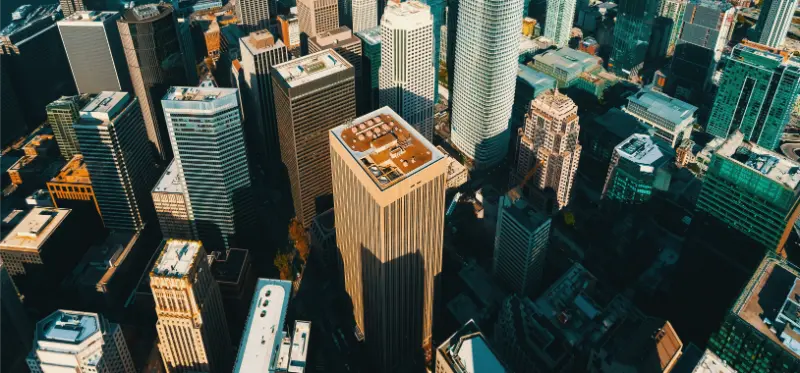
Columbus Avenue carries most first-time visitors through North Beach. It connects the Financial District side of the neighborhood with Washington Square and points north toward Fisherman’s Wharf. Use it for orientation, but step onto Grant Avenue and the smaller side streets if you want a quieter feel.
San Francisco Travel’s self-guided walking route highlights how quickly Italian-American history, Beat culture and Gold Rush-era street patterns overlap here. That layering is why a simple walk can be more rewarding than hopping between unrelated attractions.
City Lights and Beat history: give it context
City Lights Booksellers is one of the neighborhood’s best-known cultural landmarks, and nearby streets retain strong associations with Beat writers and artists. Even visitors who are not literary specialists can appreciate the fact that North Beach was a place where publishing, poetry, cafés and counterculture intersected.
The Beat Museum is an optional addition if you want more depth. Check current hours before going. I would not force every literary stop into one visit; a bookstore browse plus one museum or interpretive stop is enough to keep the neighborhood walk varied.
Italian heritage: plan food around quality, not nostalgia
North Beach is often called San Francisco’s Little Italy, but the neighborhood has changed repeatedly and today’s food scene is broader than a single identity. A first visit still deserves an espresso, pastry, pizza or Italian meal, but choose the place that fits your schedule rather than treating every famous old name as mandatory.
For lunch, a casual meal keeps the walk moving. For dinner, a reservation can make sense on busy weekends. If you are combining North Beach with Chinatown, avoid scheduling a full dim sum lunch and a large Italian dinner two hours apart; choose one main meal and let the other neighborhood provide snacks or dessert.
Coit Tower: decide before you start climbing
Coit Tower is visually close but physically above the neighborhood. The climb from North Beach involves real elevation, and the tower visit can add substantial time if there is a line. The reward is a different perspective on the bay, downtown and the surrounding hills, but it should be a deliberate choice rather than an automatic extension of every walk.
If stairs and slopes are a concern, use transit or rideshare for part of the approach and confirm current tower access before traveling. Families with toddlers may find that the hill consumes the energy needed for the rest of the day, so decide whether the view or the street-level neighborhood matters more.
A practical half-day walking route
1. Start at City Lights and Columbus Avenue
Begin near City Lights and the Columbus/Broadway area. Spend time in the bookstore or simply use it as the cultural starting point. Continue north on Columbus at an easy pace.
2. Move toward Washington Square
Use side streets and Grant Avenue rather than remaining on the busiest corridor for every block. Pause at Washington Square for a break and to decide whether the group wants food, Coit Tower or a flatter continuation.
3. Add one major choice
Choose Coit Tower, a longer Italian meal, the Beat Museum or a detour toward Russian Hill. Trying to do all of them in a short visit changes the pace completely.
4. Finish toward the waterfront or Chinatown
Continue downhill toward Fisherman’s Wharf and Pier 39 if that is your next cluster, or loop south into Chinatown. Do not cross the city to Golden Gate Park immediately afterward unless the day is intentionally built around transit.
North Beach with kids
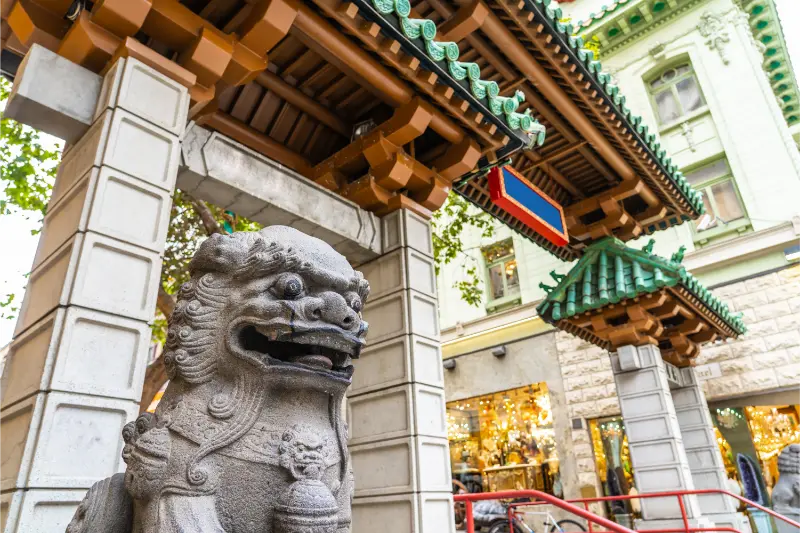
Children usually respond better to the neighborhood when the day includes food, a park pause and one story rather than a long sequence of historical explanations. Washington Square is useful for movement, while a bakery or pizza stop creates an easy reward. Coit Tower can be exciting for older children who enjoy viewpoints, but the uphill approach needs realistic expectations.
Strollers work on main sidewalks, but hills and crowded interiors can be frustrating. If you have a sleeping toddler, choose a flatter loop and save steep Telegraph Hill streets for another visit.
Older travelers and limited mobility
The challenge in North Beach is not distance; it is grade. A route that looks like half a mile may include a sustained climb. Build the visit around Columbus Avenue and Washington Square, then use Muni, a taxi or rideshare for Coit Tower rather than turning the hill into a test of endurance.
Restaurants at street level provide frequent rest opportunities, but older historic businesses may have narrow entrances or steps. Confirm accessibility for any specific attraction that is essential to the trip.
Getting there
North Beach does not require a car. Muni buses connect the neighborhood with downtown and the waterfront, cable cars run nearby, and walking from Chinatown is straightforward. Parking is limited and often expensive, so driving usually adds friction rather than freedom.
If you want the cable-car experience, read our San Francisco cable car guide first. For a broader transit strategy, use our San Francisco transportation guide.
When to visit
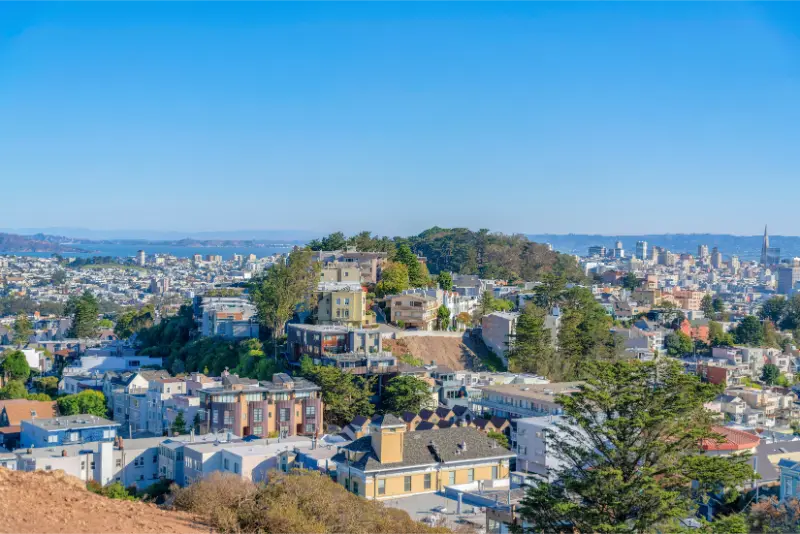
Morning offers quieter streets and easier bakery stops. Lunch brings the classic café-and-restaurant rhythm. Evening is atmospheric but busier, especially around Columbus Avenue. North Beach is a year-round neighborhood, but San Francisco’s wind and fog still matter, so bring a layer even on summer days.
If Coit Tower is important, visibility can affect the value of the climb. A clear morning after fog lifts may be more satisfying than forcing the tower into a gray, windy evening simply because the itinerary says so.
Common mistakes
- Treating North Beach as only a restaurant stop and missing its literary and neighborhood history.
- Climbing to Coit Tower without checking whether everyone in the group is comfortable with the grade.
- Driving into the neighborhood and losing time to parking.
- Eating at the first tourist-facing place simply because you are hungry; walk one or two blocks and compare.
- Trying to combine Chinatown, North Beach, Fisherman’s Wharf, Alcatraz and the Golden Gate Bridge in one day.
How to combine North Beach with the rest of San Francisco
The best pairings are geographic. Chinatown immediately to the south makes a strong food-and-history day. Fisherman’s Wharf to the north works if you want a waterfront finish. The Embarcadero can also be reached without a major cross-city transfer.
For a first trip, use our three-day San Francisco plan and keep North Beach inside one north-side day. Neighborhood travel becomes much more enjoyable when you stop treating San Francisco as a list of isolated icons.
Official information to check
San Francisco Travel publishes a useful self-guided Chinatown, Nob Hill and North Beach walk. Check SFMTA for current transit service and confirm Coit Tower or museum hours directly before your visit.
A small route-planning detail that saves energy
North Beach is easiest when you walk downhill at the end rather than climbing back to where you started. If Coit Tower is part of the plan, consider reaching the higher point earlier and finishing toward Columbus Avenue or the waterfront. That simple direction choice can matter more than shaving a few blocks from the route.
Download the transit route you expect to use before setting out, then let the neighborhood itself stay flexible. A café that looks inviting or a clear view from Telegraph Hill is a better reason to change the plan than an arbitrary list made before the trip.