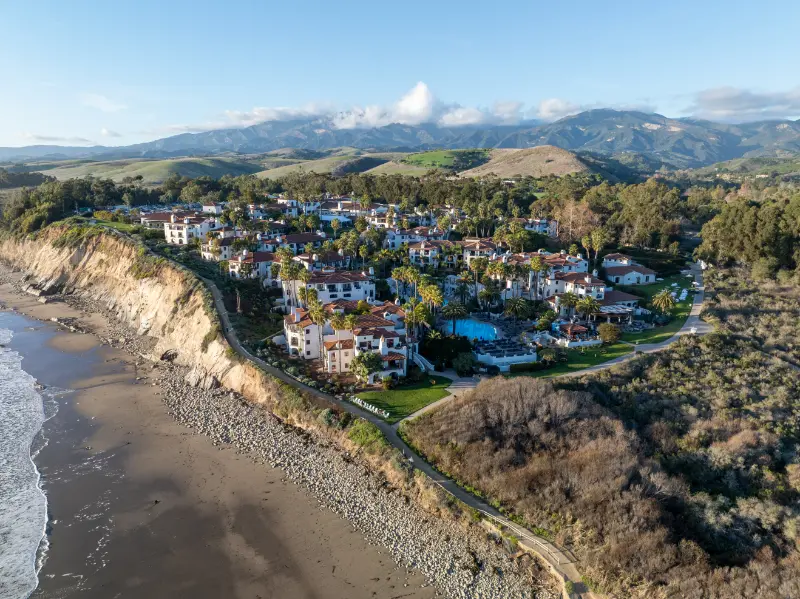
California is famous for road trips, but a car is not automatically the best tool for every journey. Rail can remove parking, let everyone enjoy coastal scenery and make a one-way city trip much easier. The limitation is equally important: trains do not reach many national parks, rural wine areas or remote beaches directly, so the smartest California-by-train itinerary uses rail where the corridor is strong and rents a car only where it adds real value.
In 2026, the main passenger-rail options include the Pacific Surfliner in Southern California, Capitol Corridor in Northern California, Gold Runner service in the Central Valley corridor (the service formerly known as San Joaquins), and the long-distance Coast Starlight. The right question is not ‘Can I do California without a car?’ but ‘Which legs are better without one?’ This guide answers that decision.
The four rail corridors that matter most to visitors
| Service | When it makes sense |
|---|---|
| Pacific Surfliner | San Diego–Orange County–Los Angeles–Santa Barbara–San Luis Obispo corridor; excellent for city-to-city coastal travel. |
| Capitol Corridor | San Jose/Oakland–Sacramento corridor with useful Bay Area and capital connections. |
| Gold Runner | Central Valley rail/bus network useful for links toward places such as Fresno, Bakersfield and Yosemite gateway connections. |
| Coast Starlight | Long-distance Los Angeles–Bay Area–Sacramento–Pacific Northwest route; best when the train journey itself is part of the experience. |
When the train is genuinely better than driving
Rail is strongest when both ends of the journey have walkable centers or good local transit. San Diego to Los Angeles is a classic example: you avoid freeway stress and can arrive near the center of the city. Los Angeles to Santa Barbara can also work beautifully when your hotel is central and you do not need a car for a remote beach itinerary.
Train travel is also attractive for one-way trips. A rental car often carries one-way fees, parking costs and the responsibility of driving every mile. On a train, children can move, older travelers can avoid long highway hours and everyone gets to look out the window. That benefit is real even if the ticket is not cheaper than fuel.
When a car is still the better tool
Yosemite, Death Valley, Joshua Tree, the Eastern Sierra, most of the Redwood Coast and large parts of wine country are not simple rail destinations. Some have connecting buses or seasonal services, but those connections do not reproduce the flexibility of a car. If your goal is sunrise at a trailhead, several scenic pullouts and a remote hotel, rent the car.
The mistake is making the decision ideologically. A California trip does not have to be ‘car-free’ or ‘a road trip.’ It can be a hybrid. Take rail between San Diego and Los Angeles, pick up a car for Joshua Tree, return it, then continue by train north. That can be calmer than paying for a car while it sits in expensive city parking.
A practical 10-day hybrid itinerary
Days 1–2: San Diego without a rental car
Stay in a neighborhood with good trolley or bus access and use rideshare selectively. A central San Diego stay lets you visit the waterfront, Balboa Park and selected neighborhoods without immediately renting a car. On the morning you leave, take the Pacific Surfliner north rather than joining freeway traffic.
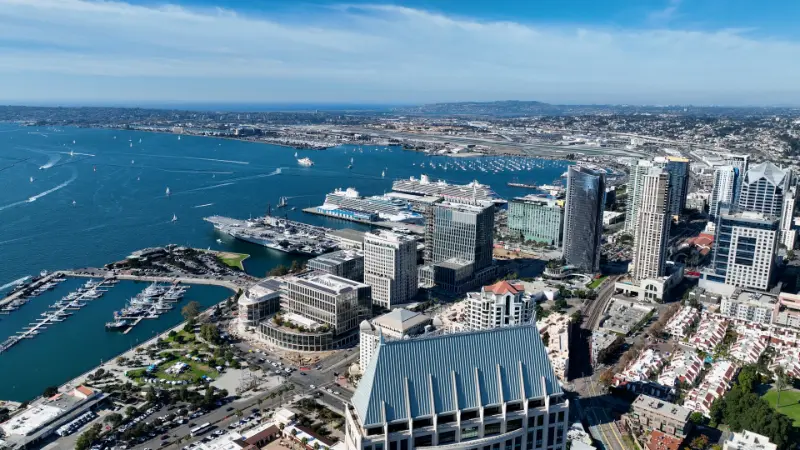
Days 3–4: Los Angeles with selective car use
Los Angeles is the point where a hybrid plan needs judgment. If your interests are concentrated around Downtown, Hollywood and transit-accessible areas, you can stay car-light. If you want Malibu, several beaches or dispersed neighborhoods in one day, a short rental can be worth it. Do not keep the car just because you will need one again four days later.
Day 5: train to Santa Barbara
The rail approach is especially attractive if you stay near downtown or the waterfront. Walk, use local buses or rideshare, and enjoy an evening without parking. A train day also gives the trip a natural rest from long road mileage.
Days 6–7: continue toward San Luis Obispo or use a car for the Central Coast
This is where a choice appears. If your plan centers on downtown San Luis Obispo and a few connected stops, rail can continue to work. If you want Highway 1 viewpoints, Morro Bay, Pismo Beach or multiple small towns, pick up a car. The Central Coast is beautiful precisely because attractions are spread along the coastline.
Days 8–10: Bay Area and Sacramento
Return the car when you reach a strong transit zone, then use Bay Area rail and ferries. Capitol Corridor can connect the East Bay with Sacramento. A visitor can spend several days between San Francisco, Oakland, Berkeley and Sacramento without paying urban parking every night.
Pacific Surfliner: who will enjoy it most
This is the California train I recommend most often to travelers who want a visible lifestyle change from driving. Parts of the route run close to the Pacific, and the cities along it include San Diego, Orange County stops, Los Angeles, Santa Barbara and San Luis Obispo. Schedules and track conditions change, so always build the itinerary from the current timetable rather than a blog post.
Families benefit from being able to move, snack and use the restroom without a highway stop. Older travelers may appreciate avoiding long traffic stretches. The main planning task is the ‘last mile’: how far is the station from your hotel, and what will you do with luggage? A great rail segment becomes annoying if the hotel is an expensive 45-minute transfer away.
Capitol Corridor: useful, practical and underrated
Capitol Corridor is less scenic-tourism oriented than the coastal train, but it can be extremely useful. It links Sacramento with East Bay and South Bay locations, making it possible to combine California’s capital with Oakland, Berkeley or San Jose without dealing with freeway traffic and city parking.
This is especially valuable when you are already staying near BART or another transit connection. The trip becomes a network: intercity rail for the longer leg, urban transit for the neighborhood leg, and rideshare only when it solves a specific gap.
Gold Runner and Yosemite connections
California’s Central Valley rail network, branded Gold Runner after its earlier San Joaquins identity, can be useful when you are moving through Fresno, Bakersfield, Stockton or Sacramento-area connections. Amtrak’s bus connections extend the practical network toward destinations not directly on the rails, including Yosemite-related routes.
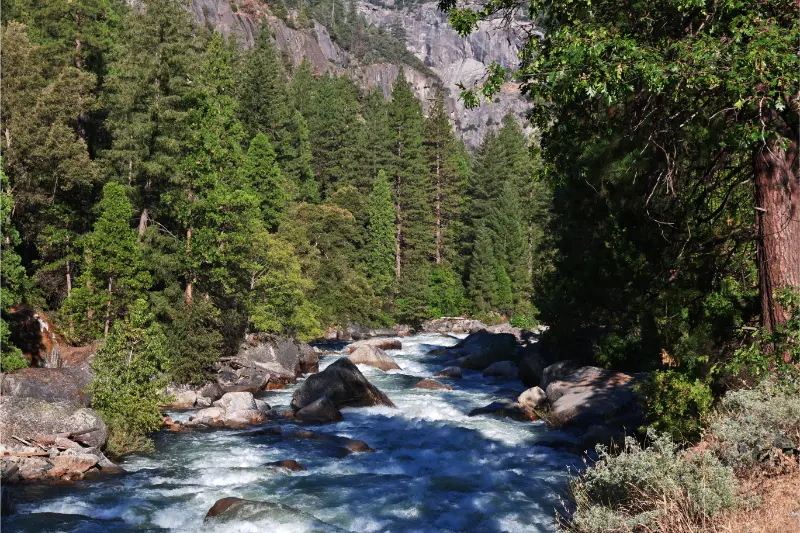
Do not assume a bus connection is synchronized with every train or operates in every season. Build the exact trip in Amtrak’s current booking system and leave margin when a missed connection would affect a park reservation or flight.
Coast Starlight: choose it for the journey, not speed
The Coast Starlight is a long-distance experience rather than a fast alternative to flying. In California it links Los Angeles, Santa Barbara, San Luis Obispo, San Jose, Oakland and Sacramento before continuing north. For travelers who enjoy trains, one long segment can become a highlight. For someone trying to maximize sightseeing hours, a full-day train may feel inefficient.
I would use it when the window scenery and slower rhythm are part of the goal. Avoid building a tight same-day connection after a long-distance train, because delays can happen and the timetable should not be treated like an airline schedule.
Tickets, luggage and seat strategy
Book the specific train rather than assuming you can simply show up for every service. Some California trains have flexible boarding policies on selected fares while others have reservations and capacity limits. Read the fare rules before purchasing. If you are carrying large luggage, check baggage rules for your stations because not every stop handles checked bags.
Families should keep one small day bag with snacks, chargers, medication and layers even if larger bags are stored elsewhere. For coastal trains, a seat on the ocean side can be attractive, but direction and track alignment vary. Do not turn boarding into a competition for one perfect window; the real advantage is the stress reduction.
Accessibility and older travelers
Train travel can reduce driving fatigue, but accessibility planning still starts before departure. Confirm station elevators, boarding assistance and mobility-device policies for the exact service. Some historic stations are easy; others require longer platform walks. If anyone needs assistance, request it through the carrier rather than assuming staff will know at boarding.
The last-mile transfer is often more important than the train itself. A hotel within a few blocks of the station may be worth a higher room rate for a traveler with limited mobility because it eliminates repeated rideshare loading and unloading.
Traveling with children
Rail can be excellent with children because movement is possible and adults do not have to focus on traffic. Choose segments of two to four hours for younger children before committing to a very long ride. Bring quiet activities and a snack even when food service is available. The train should be part of the day, not a test of endurance.
Budget: compare the whole trip, not just ticket versus gasoline
A car has rental cost, fuel, tolls, parking, one-way charges and sometimes hotel resort fees tied to parking. A train has tickets, local transit and possible rideshares. Compare the full door-to-door cost. In San Francisco or central Los Angeles, avoiding several nights of parking can make rail much more competitive than the fare alone suggests.
Common mistakes
- Keeping a rental car during several city days when it is only sitting in paid parking.
- Choosing rail for a rural park itinerary with poor last-mile transport.
- Booking a hotel far from the station and ignoring transfer cost.
- Using an old timetable instead of current schedules and service alerts.
- Making a tight flight or tour connection immediately after a long-distance train.
Useful California for You guides
Use rail selectively with our San Diego guide, our Los Angeles guide, our Santa Barbara guide, our San Francisco guide and our California planning guide.
Official information to check before booking
Questions travelers usually ask
Can I travel all of California by train?
Not conveniently. Rail works very well in selected city corridors, but many parks, mountain areas and rural coast destinations still require a car or complicated bus connections.
Is the Pacific Surfliner worth it?
For San Diego–Los Angeles–Santa Barbara travel, often yes. It can replace stressful freeway miles and make the journey part of the experience.
Can I take a train to Yosemite?
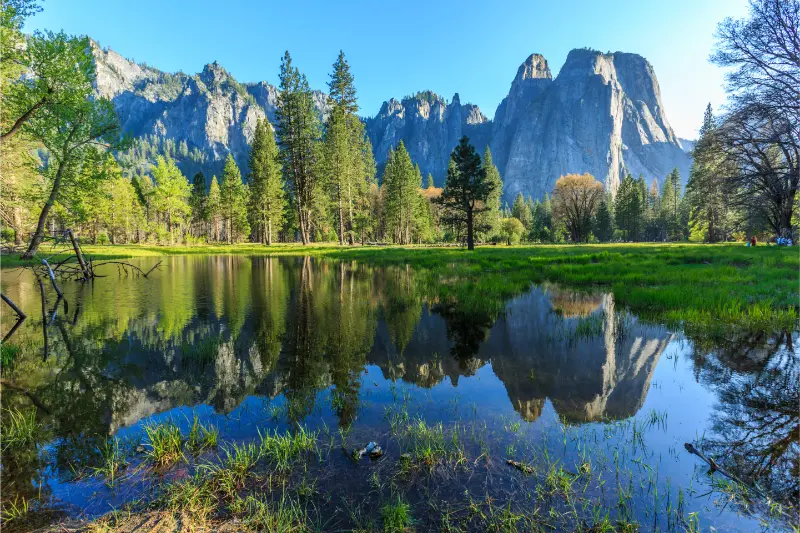
Rail plus connecting bus options exist, but they require more planning than a car. Verify the exact current itinerary in the booking system and align it with lodging and park plans.
Is train travel cheaper than renting a car?
Sometimes, especially when urban parking is expensive. Compare the total cost including local transfers rather than ticket price alone.
What about luggage?
Rules vary by train and station. Pack so you can manage your own bags and check whether your stations support checked baggage if you need it.
Should I use Coast Starlight between Los Angeles and the Bay Area?
Use it if you want a slow scenic train day. If time is limited, flying or a different itinerary may preserve more sightseeing hours.
Final advice
California rail is most powerful as part of a hybrid trip. Use trains to remove traffic and parking where corridors are strong, then rent a car only for the landscapes that genuinely require one. The result can be calmer, more accessible and sometimes cheaper than keeping the same vehicle from the first airport to the last.