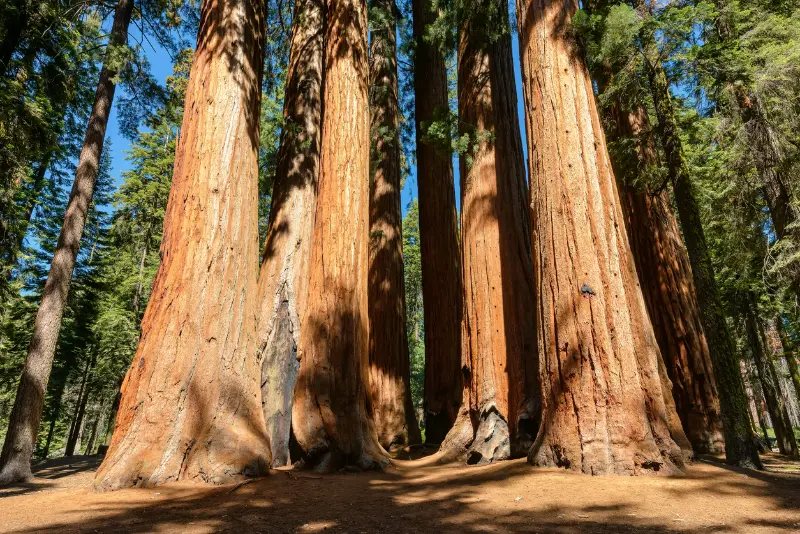
Yosemite and Sequoia–Kings Canyon are often placed in the same California itinerary because both sit in the Sierra Nevada, but they do not deliver the same trip. Yosemite is the stronger choice for huge granite walls, famous waterfalls and a concentrated collection of iconic viewpoints. Sequoia and Kings Canyon are the stronger choice for giant sequoias, a more spread-out mountain-road experience and a trip where the trees themselves are the central reason to go. Neither park is universally better; one is usually better for a specific traveler and season.
The biggest mistake is assuming you can make the decision by looking only at straight-line distance or one famous photo. Road access, lodging, seasonal closures, crowd tolerance and the rest of your California route matter more. A family driving from Los Angeles may make a different choice from a couple starting in San Francisco, and a June trip may have a different answer from a winter trip.
Quick planning snapshot
| Decision | Practical answer |
|---|---|
| Choose Yosemite if… | Granite cliffs, waterfalls and classic first-time national-park scenery are your top priorities. |
| Choose Sequoia/Kings Canyon if… | Giant sequoias, quieter road-trip pacing and tree-focused experiences matter more. |
| Minimum useful time | About 2 nights for either destination; 3 nights gives much more flexibility. |
| Biggest mistake | Trying to visit both in too few days because they look geographically adjacent. |
The real difference between the two trips
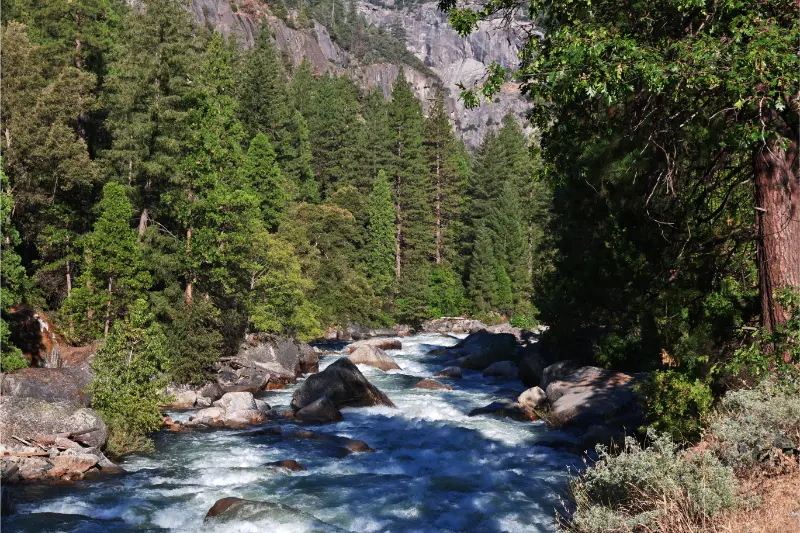
Yosemite Valley is visually concentrated. El Capitan, Half Dome, major waterfalls and valley viewpoints are relatively close, which creates an extraordinary density of famous scenery but also concentrates vehicles and visitors. The park extends far beyond the valley, yet first-time itineraries naturally funnel toward the same core area.
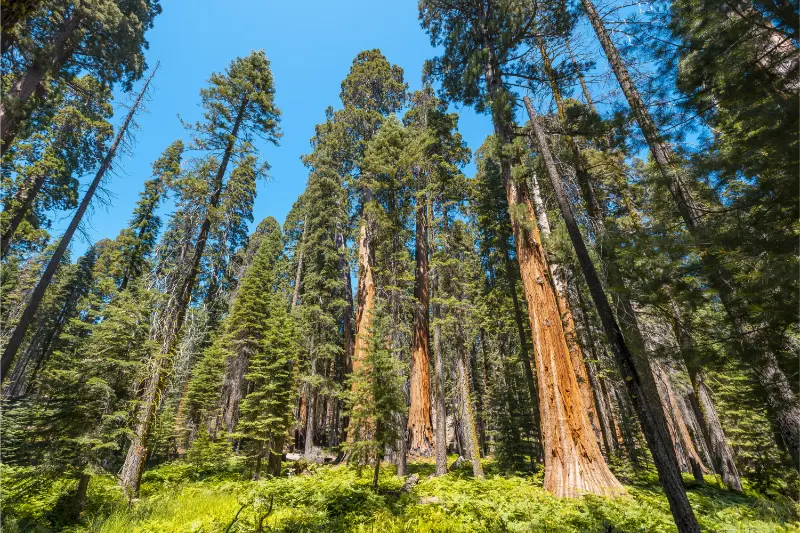
Sequoia and Kings Canyon feel more dispersed. Giant Forest, Grant Grove, the foothills and the Kings Canyon corridor are separated by slow mountain roads. The reward is variety and a sense of moving through different elevations, but the driving can surprise travelers. You do not ‘pop over’ from one grove to another in a few minutes.
How to decide in five practical steps
Step 1: choose the scenery that would disappoint you to miss
If your mental picture of California includes Yosemite Valley, waterfalls and granite walls, choose Yosemite. If standing beside the largest trees on Earth is the emotional goal, choose Sequoia/Kings Canyon. Start with the experience, not the hotel price.
Step 2: look at where the trip starts and ends
Yosemite fits especially well with San Francisco, the Eastern Sierra in the right season, and a Highway 1 trip that turns inland. Sequoia/Kings Canyon fits naturally between Los Angeles and Yosemite or with Central Valley routes. Driving time should be evaluated as part of the itinerary, not as empty space.
Step 3: check the exact season
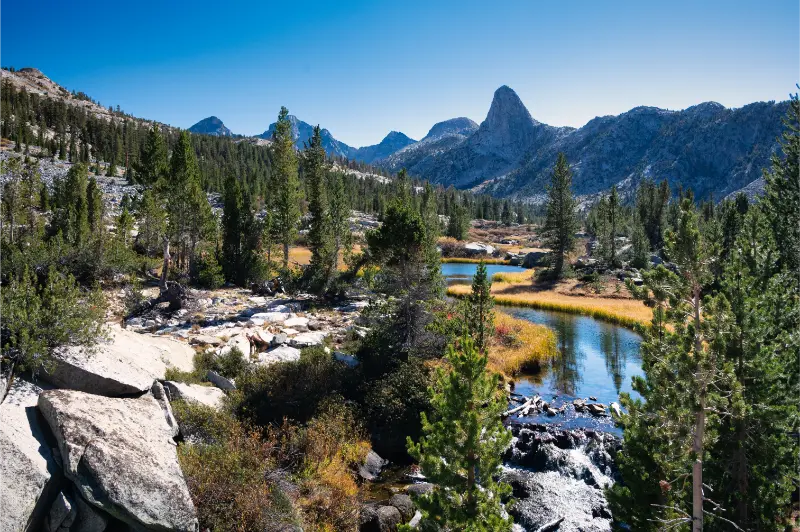
Waterfall strength, snow, chain controls, seasonal roads and high-country access change the parks dramatically. Yosemite announced no vehicle reservation requirement for 2026, but that does not remove traffic or parking constraints. Sequoia/Kings Canyon roads and facilities also vary by elevation and season.
Step 4: match the park to your tolerance for crowds and mountain driving
Yosemite’s iconic core can feel intensely busy at peak times. Sequoia/Kings Canyon can feel quieter, but the trade-off is longer, winding roads and fewer easy shortcuts between areas. A traveler who dislikes crowds may prefer Sequoia; a traveler who dislikes mountain driving may still find Yosemite Valley logistics easier once parked.
Step 5: protect enough nights
Two nights is the minimum I would use for either park in a first California road trip. Three nights is better. If the itinerary gives you only one rushed night, choose the park that lies more naturally on your route rather than sacrificing half the visit to arrival and departure driving.
What is actually worth prioritizing
Yosemite: valley scenery plus one broader-area experience
A first Yosemite trip should not be only windshield viewpoints. Walk at least one valley trail or meadow route, then add a second landscape such as Mariposa Grove or high country if roads and season allow.
Sequoia: Giant Forest and General Sherman area
The sequoias are the core experience. Give the grove time rather than using General Sherman as a quick photo stop. Walking among multiple large trees communicates scale far better than one famous trunk.
Kings Canyon: only if the road and schedule support it
Kings Canyon can add spectacular scenery, but it should not be squeezed into an already full Sequoia day. Road status is seasonal, and distances are substantial. Treat it as a deliberate extension, not a bonus checkbox.
Current road and facility information
Both destinations are dynamic mountain environments. Snow, fire, construction, storm damage and seasonal staffing can affect roads, trails, campgrounds and services. The official current-conditions pages should be part of your itinerary, not an emergency resource used only after something goes wrong.
Getting there, parking and moving around
A car gives the most flexibility for both parks, but once you reach a busy core area, parking and shuttle strategy matter. Yosemite Valley can reward parking once and using internal transit or walking. Sequoia/Kings Canyon requires more driving between major zones and has road segments with length advisories for large vehicles.
Do not rely on ‘miles’ alone. Mountain-road travel is slow. Sequoia and Kings Canyon note that there are no gas stations inside the national parks themselves, so fill up before entering or know where the limited neighboring services are. EV charging is also not something to assume inside the parks.
If you are renting a large RV, read vehicle-length advisories before choosing Sequoia routes. If you are visiting Yosemite in peak season, leave buffer for traffic even though 2026 does not use a season-wide vehicle reservation system.
Families, older travelers and accessibility
Both parks have accessible viewpoints, visitor facilities and some paved or relatively gentle routes, but the terrain is mountain terrain. Accessibility planning should focus on the exact grove, viewpoint or valley trail you want to use. High-elevation snow can limit access long after lower roads look like spring.
Families often find Yosemite easier for a first visit because iconic scenery can be seen with relatively short walks once in the valley. Sequoia can be equally family-friendly if children tolerate winding roads and the itinerary avoids too many distant areas in one day.
Older travelers should prioritize lodging location and reduce daily driving. Staying close to the area you most want to see can be worth more than a cheaper room that adds two hours of mountain-road travel every day.
Best time, weather and pacing
Yosemite’s waterfall season often favors late spring and early summer, while high-country roads may open much later depending on snow. Sequoia groves can be beautiful in many seasons, but winter brings chain requirements, snow and closures that change the driving experience substantially.
Summer brings heat at lower elevations and cooler temperatures higher up in both park systems. Wildfire smoke can affect air quality. The correct forecast is the one for the elevation and area you are visiting, not the nearest Central Valley city.
Budget and practical trade-offs
Park entrance fees are similar enough that they should not decide the choice. Lodging is the bigger variable. Yosemite-area accommodation can be expensive and books early, while Sequoia/Kings Canyon options are fewer in some zones and may require more driving. Compare total trip cost, not only nightly rate.
Food and fuel planning also differs. If you stay outside the parks, longer commutes create additional fuel and time costs. Bringing breakfast and picnic supplies can reduce both spending and the need to leave a scenic area during the best part of the day.
The fastest decision matrix
Choose Yosemite for a first California trip when you want the highest concentration of iconic scenery, you are already routing through San Francisco or the central Sierra, and you accept peak-season crowds in exchange for world-famous landscapes. Choose Sequoia/Kings Canyon when giant trees are the primary draw, you enjoy scenic driving and you want a trip that feels more spread out.
Choose both only when you have enough time to give each at least two nights or when your broader road trip naturally passes between them. Four rushed park days with constant packing are not automatically better than three full days in one park.
Common mistakes to avoid
- Choosing by straight-line distance instead of real mountain-road travel time.
- Assuming no Yosemite vehicle reservation in 2026 means no traffic problems.
- Trying to visit Yosemite Valley, Giant Forest and Kings Canyon in two days total.
- Failing to check chain controls, seasonal roads and current conditions.
- Booking cheap lodging far from the park and ignoring the daily commute.
- Treating giant sequoia groves as one-tree photo stops.
How to combine this with a wider California trip
For deeper planning, use the Yosemite first-time guide and the Sequoia and Kings Canyon guide. If your route also includes desert parks, the Death Valley guide and Joshua Tree guide can follow naturally toward Southern California in cooler seasons.
The 14-day California road trip can help decide whether both parks fit without damaging the rest of the trip. If the route is already full, choosing one park well is usually the stronger travel decision.
Useful California for You guides
Read the Yosemite first-time guide, the Sequoia and Kings Canyon guide, the 14-day California road trip and the California road-trip budget guide.
Official planning resources
Check the official sources close to your travel date because hours, reservations, parking, road conditions and temporary closures can change.
- Yosemite National Park trip planning
- Sequoia & Kings Canyon trip planning
- Yosemite 2026 vehicle reservation update
- Sequoia & Kings Canyon road conditions
Final advice
If this is your first California national-park trip and you cannot decide, ask which image would bother you more to miss: Yosemite’s granite valley or the giant sequoias. That answer usually reveals the right park.
Whichever you choose, give it enough nights. The difference between a memorable mountain trip and a tiring one is often not the park itself but whether the itinerary respected mountain-road time.