
San Diego to Los Angeles can be a two-hour freeway transfer or a two-day coastal road trip. The difference is whether you treat North County San Diego and Orange County as destinations rather than exits. For first-time visitors with a little time, the coast offers enough variety—La Jolla, Encinitas, Carlsbad, Dana Point, Laguna Beach and coastal Orange County—to justify at least one overnight stop.
This itinerary is deliberately selective. You cannot enjoy every beach town between San Diego and Los Angeles in one day.
How much time should you allow?
For a direct transfer, plan around freeway traffic rather than sightseeing. For a coastal trip, one overnight gives you two useful days; two overnights gives you time for a beach afternoon and less backtracking. If you have only one day, choose two or three meaningful stops and skip the rest.
Our Southern California road trip places this corridor in a larger one-week itinerary.
Start with La Jolla only if it is not already in your San Diego stay
La Jolla is north of central San Diego and fits the route naturally, but it deserves time for the Cove, coastal walking and parking. If you already spent a full day there, do not repeat it simply because it is on the way.
See our La Jolla guide for a dedicated plan.
Encinitas: the relaxed coastal stop
Encinitas offers beaches, a walkable downtown and a calmer feel than major attractions farther north. It works well for coffee, a beach walk and lunch. Families should choose a beach according to surf and access rather than selecting the prettiest cliff photo.
Our Encinitas guide explains how to spend a fuller day if you decide to overnight in North County.
Carlsbad: choose between beach time and LEGOLAND
Carlsbad is both a coastal town and the home of LEGOLAND California. Those are two different travel days. If LEGOLAND is part of the trip, dedicate the day to the park and sleep nearby rather than trying to combine it with Laguna Beach and Los Angeles.
For a non-theme-park stop, use our Carlsbad and North County guide.
Oceanside for a pier-and-harbor break
Oceanside is useful when you want a real stop without committing half a day. The pier area, beach and harbor can create a two- or three-hour break. It is also served by rail, which matters if you are considering a car-light version of the corridor.
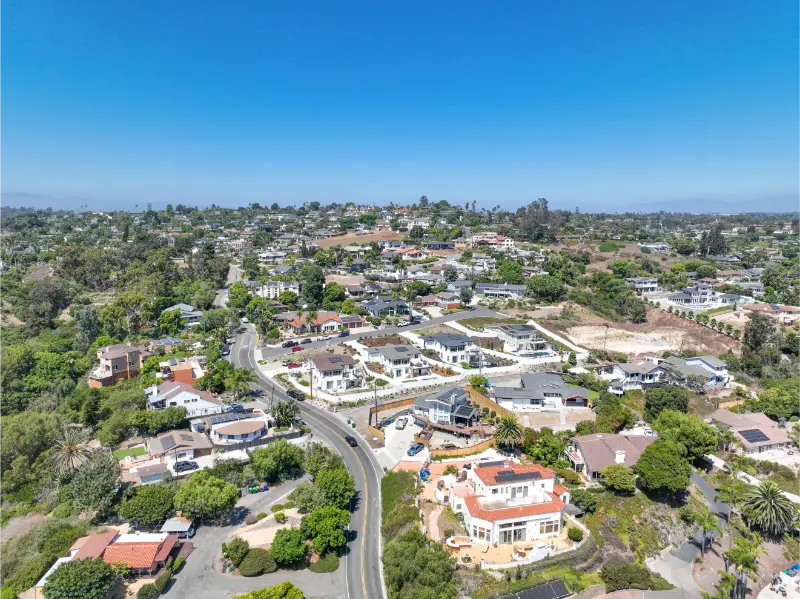
See our Oceanside guide if you want to make it an overnight base.
Dana Point: harbor and whale-watching option
Dana Point changes the character of the drive from San Diego County to Orange County. The harbor is an easy walking environment, and whale-watching trips can turn the town into a half-day destination. If you book a cruise, do not schedule multiple beach stops before it.
Our Dana Point guide covers the harbor and current parking strategy in more detail.
Laguna Beach: the stop most likely to consume the afternoon
Laguna Beach has coves, coastal walking, galleries and a compact downtown, but parking and traffic can slow the visit. If this is your priority, arrive earlier and stay for several hours rather than trying to collect three nearby beaches.
Use our Laguna Beach guide and consider the local trolley when it operates.
What about Newport Beach and Huntington Beach?
Both are worthwhile, but adding both after Laguna Beach makes the day fragmented. Newport works well for Balboa Peninsula/Island and harbor experiences; Huntington Beach is better if the surf-town atmosphere and long beach are the point. Choose one based on the group.
If you have a second night, Orange County can support a full day on its own. Our Orange County itinerary helps divide the coast logically.
Anaheim and Disneyland change the route
If Disneyland is part of the trip, Anaheim becomes an overnight destination rather than a roadside stop. Check in, rest and protect the park day. Do not spend the morning driving the coast and expect young children to handle a late Disneyland evening happily.
For park planning, see our Disneyland guide.
Arriving in Los Angeles
Los Angeles traffic can make the final 30–50 miles feel longer than the earlier coast. If your hotel is in Santa Monica, the western approach differs from a hotel in Hollywood, Downtown or Anaheim. Put the final hotel into navigation before choosing the last beach stop.

Our Los Angeles neighborhood guide helps prevent a route that ends on the wrong side of the city.
A realistic one-night itinerary
Day 1: leave San Diego after breakfast, stop in Encinitas or Carlsbad, continue to Dana Point or Laguna Beach, then sleep in coastal Orange County. Day 2: choose Newport or Huntington Beach, then enter Los Angeles and use the afternoon for hotel check-in and one nearby activity.
This is intentionally less ambitious than most online lists. You will actually have time to walk and eat.
A faster one-day itinerary
Leave early, choose one North County stop and one Orange County stop, then reach Los Angeles before evening traffic becomes the entire experience. For example: Encinitas plus Laguna Beach, or Oceanside plus Huntington Beach.
Skip theme parks, whale-watching cruises and long restaurant reservations on a one-day transfer.
Can you do the trip by train?
The Pacific Surfliner links San Diego, parts of Orange County and Los Angeles and can be a comfortable alternative to freeway driving. Check the current Pacific Surfliner information and schedules because service patterns can change.
Rail works best when your hotels and planned stops are close to stations. A beach-hopping itinerary with luggage is usually easier by car.
Families and grandparents
With children, include one real beach/play stop rather than multiple scenic lookouts. With grandparents, avoid repeated parking searches and cliff staircases. A harbor, pier or accessible promenade can be more enjoyable than a beach reached by a long staircase.
If the group spans several generations, a one-night Orange County stop reduces the pressure to make everyone enjoy the same type of beach day.
Common mistakes
The biggest mistakes are assuming the freeway time represents the coastal itinerary, putting La Jolla, LEGOLAND, Laguna, Newport, Huntington and Los Angeles into one day, scheduling Disneyland after a long drive, and carrying visible luggage at beach parking lots.
Choose two strong stops. The coast becomes better when you stop trying to prove how many towns you visited.
Luggage security on beach stops
A coastal transfer often means the car contains every suitcase you own. Avoid leaving passports, electronics or bags visible at beach parking areas. If possible, check in before spending hours away from the vehicle; otherwise keep valuables with you and the interior visually empty.
Do not repeatedly open the trunk in a busy lot to reorganize expensive items before walking away.
Booking and confirmation checklist
Before travel, reopen the official pages for every time-sensitive element in this guide: road conditions, reservations, operating days, weather and seasonal closures. Save confirmations offline and keep the address or entrance name you actually need rather than relying on a generic destination pin.
Keep one activity each day optional. If traffic, weather or a closure removes an hour, dropping one lower-priority stop is better than pushing every meal and arrival later.
Accessibility and mixed-mobility groups
If anyone in the group uses a wheelchair, walker, stroller or simply needs shorter walking distances, verify the exact parking area, surface and restroom access for the stops you plan to use. ‘Accessible destination’ does not mean every trail or beach access is accessible.
Mixed-age groups usually travel better when the day includes one shared anchor and optional shorter activities around it. A flexible plan lets one person rest without forcing the entire group to abandon the day.