
Three weeks changes the way you can travel through California. You no longer have to choose between the Bay Area, Sierra, Central Coast and Southern California; you can connect them with enough nights in each place to experience the destination rather than only the highway between destinations.
The danger is the opposite of a short trip: because 21 days sounds generous, travelers often keep adding places until the itinerary becomes another checklist. This route deliberately includes rest, two-night and three-night stays, and a few optional branches. It is designed for a first trip, not for proving that every famous place can fit.
The route at a glance
A balanced first-time route is San Francisco → Yosemite → Monterey/Carmel → Central Coast → Los Angeles → Orange County or Anaheim → San Diego, with optional extensions to wine country, Sequoia/Kings Canyon or a desert region. This creates a mostly continuous path instead of zigzagging across the state.
Three weeks is also long enough to use an open-jaw flight: arrive in Northern California and depart from Southern California, or reverse the trip if airfares and season work better.
Days 1–4: San Francisco without a car
Use the first four nights to recover from travel and explore San Francisco by neighborhood. One day can combine waterfront and Alcatraz; another can focus on Golden Gate Park, Presidio and the bridge; a third can be neighborhood-focused or used for Muir Woods/Sausalito. Keep the rental car for later if your hotel charges heavily for parking.
Our three-day San Francisco itinerary gives a practical core, while San Francisco day trips helps if you want one day outside the city.
Days 5–7: Yosemite
Collect the car and drive to Yosemite, giving the park three nights. The first afternoon is for arrival and one easy viewpoint or Valley walk. The middle day is the full park day. The third day can include Glacier Point when road conditions allow, a longer walk, Mariposa Grove or a second Valley day depending on season and mobility.
Three nights protect you from turning the park into a single rushed day after a long drive. Check official conditions and lodging logistics with our Yosemite first-time guide.
Days 8–10: Monterey, Carmel and Big Sur
Travel west toward Monterey County and settle for three nights. Use one day for Monterey and the aquarium, one for Carmel/Point Lobos, and one for Big Sur or the 17-Mile Drive depending on interests and road conditions. The point is to stop moving the hotel every night.

Our Monterey-Carmel-Big Sur guide and Big Sur two-day guide can be mixed according to the season.
Days 11–12: Central Coast
Move south through the Central Coast with two nights around San Luis Obispo, Morro Bay, Cambria or Santa Barbara. Do not try to visit every town. Pick one overnight base based on the pace you prefer: SLO for restaurants and location, Morro Bay for harbor atmosphere, Cambria for a quieter coastal stop, or Santa Barbara for a polished city-beach combination.
If Highway 1 conditions change, use Caltrans QuickMap and reroute rather than forcing a scenic segment that is not available.
Days 13–16: Los Angeles
Four nights in Los Angeles allows the city to be divided by geography. Spend one day around Griffith/Hollywood, one around the Westside and coast, one on museums or neighborhoods, and one on a major attraction such as Universal Studios Hollywood or a Malibu day. Staying in a location that matches most of your priorities matters more than finding the theoretical center of the city.
Use our Los Angeles area guide and Los Angeles three-day itinerary as the base plan.
Days 17–18: Orange County or Anaheim
These two nights are optional but useful. Families can dedicate them to Disneyland; beach-focused travelers can choose Laguna Beach, Newport Beach or Dana Point; travelers who prefer fewer hotel changes can simply stay in Los Angeles and make one day trip south.
If Disneyland is not a priority, Orange County works best as a relaxed bridge between Los Angeles and San Diego rather than as another list of attractions.
Days 19–21: San Diego
Finish with three nights in San Diego. Choose one major family attraction or Balboa Park day, one La Jolla/coast day, and one flexible beach or neighborhood day before departure. Ending here gives the trip a slower finish after the long middle road-trip section.
Our three-day San Diego itinerary provides a realistic structure without trying to combine the zoo, Safari Park, beaches and every museum in two days.
Optional branch: Napa or Sonoma
Wine-country travelers can add two nights after San Francisco by reducing one night from Los Angeles and one from Orange County. This works especially well for couples and food-focused trips. Families and non-drinkers may prefer Muir Woods, Point Reyes or the Central Coast instead.
Compare the regions with our Napa vs Sonoma guide before adding both simply because they are famous.
Optional branch: Sequoia and Kings Canyon
A Sierra branch can fit between Yosemite and the coast or between the Central Coast and Los Angeles, but it adds substantial mountain driving. Give Sequoia/Kings Canyon at least two nights and confirm seasonal roads before committing. Do not make it a quick detour on the same day you leave Yosemite.
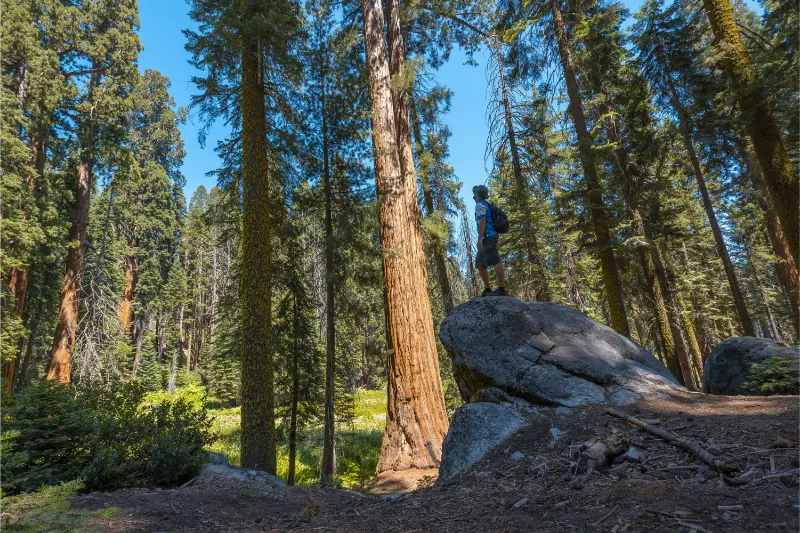
Our Yosemite vs Sequoia comparison helps decide whether both parks are necessary for your trip.
Optional branch: desert California
In cooler months, Joshua Tree or Death Valley can replace Orange County or one Los Angeles day. In extreme summer heat, they should not be treated as interchangeable with beach destinations. The desert is a seasonal decision, not a box that must be checked.
If you want both major desert parks, use our California desert road trip as a separate extension rather than cramming them into this route.
How many hotel changes?
Aim for seven or fewer bases across three weeks. That still creates variety but protects mornings from constant packing. Three-night stays are especially valuable in San Francisco, Yosemite, Monterey County, Los Angeles and San Diego.
A one-night stop should solve a route problem or offer a genuinely different experience. If it exists only because a town appeared on a list, skip it.
Budget strategy for a 21-day trip
Long trips magnify parking, resort fees, rental-car costs and restaurant spending. Mix expensive attraction days with free coastal walks, parks and neighborhood days. Choose accommodations with laundry or kitchen access at least once a week, particularly for families.
Our California budget guide and road-trip cost guide can help build a realistic total rather than focusing only on hotel rates.
What to cut when the route feels too full
Cut the destination that creates the largest detour, not the one with the smallest social-media profile. If Yosemite is central, keep it and remove a beach town. If theme parks are the family’s priority, protect Anaheim and reduce a wine-country detour. If the coast is the dream, skip inland parks rather than rushing Highway 1.
Three weeks is generous, but California is still larger than many first-time visitors expect. The best itinerary has empty space around its priorities.
Laundry, rest and the middle-week reset
On a three-week trip, schedule laundry and a slower half-day around day 8–12. A hotel with guest laundry or nearby service can reduce packing and stop the trip from feeling progressively more chaotic.
Long vacations are better when not every day has a headline attraction. A pool, grocery run and easy dinner can protect the next five days of the itinerary.
Booking and confirmation checklist
Before travel, reopen official pages for every time-sensitive element in this guide: road conditions, operating calendars, reservations, weather and seasonal closures. Save confirmations offline and keep the exact entrance, terminal or parking destination rather than a generic map pin.
Keep one activity each day optional. If traffic, weather or a closure removes an hour, dropping one lower-priority stop is better than pushing every meal and arrival later.
Accessibility and mixed-mobility groups
If anyone in the group uses a wheelchair, walker, stroller or simply needs shorter walking distances, verify the exact parking area, surface, restroom access and grade for the stops you plan to use. An accessible destination does not mean every beach access or trail is accessible.
Mixed-age groups travel better when the day has one shared anchor and optional shorter activities around it. Flexibility lets one person rest without forcing the whole group to abandon the day.