California’s most memorable walks are not all long, steep or technical. You can stand under redwoods, reach Yosemite waterfalls, circle alpine meadows, walk beside desert rock formations and follow coastal bluffs without turning every day into an endurance test. The difficult part is choosing a trail that is genuinely easy for your group rather than trusting one generic difficulty label.
In this guide, “easy” means relatively short, modest elevation gain and no specialist hiking skill in normal conditions. It does not automatically mean wheelchair accessible, stroller-friendly or safe in every season. Heat, snow, altitude, sand, roots and temporary closures can change the practical difficulty dramatically.
How to use this list
| Question | What to consider |
|---|---|
| Beginner? | Choose short mileage, clear trail surface and a destination that still feels rewarding. |
| With kids? | Add bathrooms, snack timing, shade and turnaround flexibility. |
| Active senior? | Look at elevation gain and altitude, not mileage alone. |
| Limited mobility? | Use official accessible-trail data; ‘easy’ and ‘accessible’ are not synonyms. |
| Summer trip? | Move desert walks to sunrise and check mountain snow/road access. |
1. Redwood Grove Loop — Henry Cowell Redwoods State Park
The Redwood Grove Loop is one of the best short redwood introductions in California. State Parks lists the loop at about 0.8 mile with minimal elevation change, and the path takes you through an old-growth grove without requiring a long backcountry day.
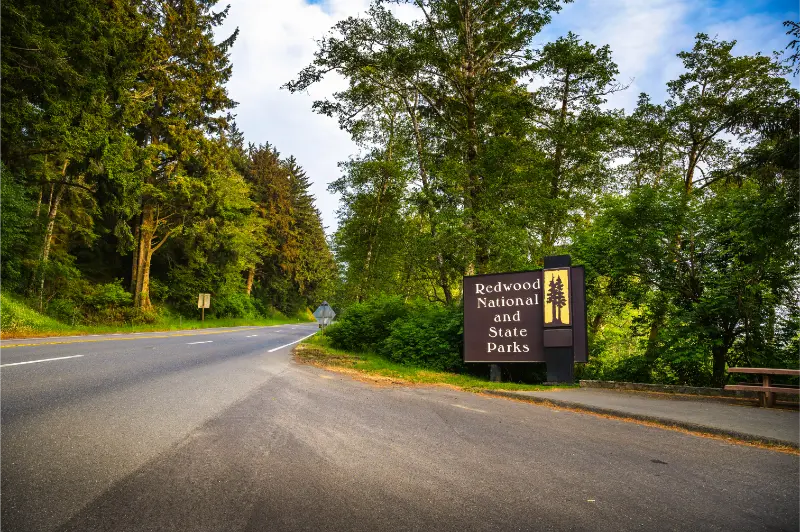
This works especially well for families, first-time hikers and travelers who want redwoods without driving to far Northern California. The park identifies the route as wheelchair accessible, but check current trail conditions before relying on that designation for a specific mobility device.
2. Founders Grove Nature Loop — Humboldt Redwoods State Park
Founders Grove delivers enormous redwoods in a very short walk. State Parks describes the main nature loop as about 0.6 mile and level, making it a high-reward stop on Avenue of the Giants.
Because the forest floor can be damp and roots may appear near side paths, wear shoes with grip even on an easy trail. This is a good example of why ‘easy’ does not mean ‘urban sidewalk.’
3. Gould Grove Nature Trail — Humboldt Redwoods
Gould Grove is another short redwood option, also roughly 0.6 mile and level according to State Parks. It works well when Founders Grove parking is busy or when you want a quieter short forest walk rather than another scenic drive stop.
Do not try to collect every grove in one day. One or two short walks plus time beside the river usually creates a better redwood experience than jumping in and out of the car ten times.
4. Lower Yosemite Fall Trail — Yosemite Valley
Lower Yosemite Fall is a classic beginner-friendly Yosemite walk when the route is open and conditions are suitable. The paved portions and short distance make it accessible to many visitors, while the waterfall provides a strong destination—especially during higher spring flow.
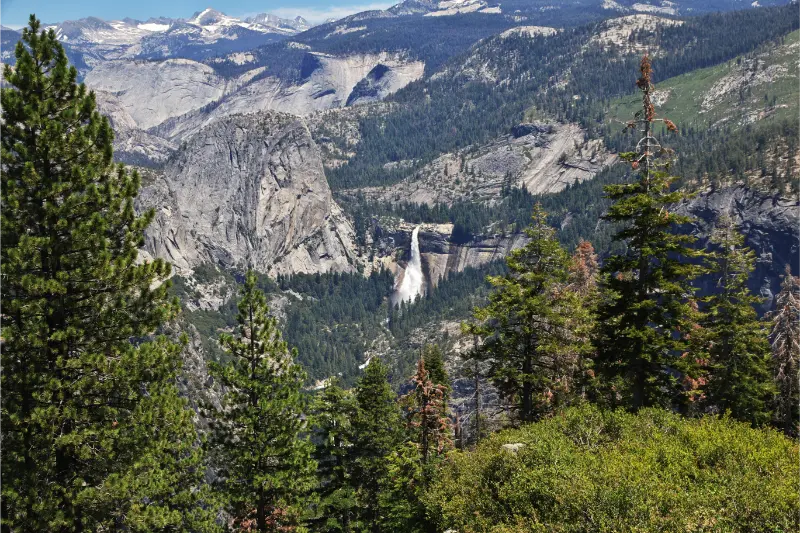
Yosemite’s crowds are often the hardest part. Start early, use the Valley shuttle and check the current NPS trail/accessibility information. Our Yosemite with kids guide explains how to fit short walks into a family day without overloading the schedule.
5. Big Trees Trail — Sequoia National Park
Big Trees Trail near Giant Forest is a strong choice for visitors who want giant sequoias without a strenuous climb. The route circles a meadow and gives repeated views of the ecosystem rather than one single famous tree.
At roughly 6,000 feet of elevation, an ‘easy’ walk may still feel different to visitors arriving from sea level. Slow the pace, drink water and do not schedule a much harder hike immediately afterward if anyone feels altitude effects.
6. Discovery Nature Trail — Mount San Jacinto State Park
From the Palm Springs Aerial Tramway mountain station area, State Parks lists the Discovery Nature Trail at roughly 0.6 mile, flat and suitable for children. The dramatic part is the temperature change: you can leave the desert floor and arrive in a much cooler mountain environment.
The paved approach from the tram station includes a steep section that can itself be difficult for some visitors, so read the current accessibility notes before assuming the entire experience is easy. This is a useful example of evaluating the route to the trail, not just the trail itself.
7. Waggoner Overlook Trail — The Forest of Nisene Marks
State Parks describes Waggoner Overlook as a very short, mostly flat walk to a shaded overlook above Aptos Creek, with wheelchair access. It is not a grand destination on the scale of Yosemite; its value is a gentle nature stop near Santa Cruz.
This kind of short trail is perfect on a travel day. Instead of trying to fit a two-hour hike between hotel checkout and the next city, you can add twenty or thirty minutes of forest without risking a late arrival.
8. South Creek Trail — Samuel P. Taylor State Park
South Creek Trail follows Lagunitas Creek through redwood scenery with very little elevation change. State Parks describes a longer out-and-back option and identifies the trail as wheelchair accessible. You can turn around whenever the group has had enough.
That flexibility makes it useful for multigenerational trips. A grandparent and child do not need to complete the same mileage as stronger hikers to share the same forest experience.
9. Panorama Point Trail — Idyllwild area
At Mount San Jacinto State Park’s Idyllwild side, Panorama Point is listed as a roughly 1-mile loop with minimal elevation gain and ADA accessibility. It gives visitors a gentle mountain outing without committing to the park’s much more demanding wilderness routes.
Always distinguish this from the strenuous routes to San Jacinto Peak. Trail names on the same park page can range from beginner walks to all-day climbs with thousands of feet of elevation gain.
10. Barker Dam loop — Joshua Tree National Park
Barker Dam is one of Joshua Tree’s classic short walks, combining desert rock, historic features and a compact loop. Conditions are exposed, so the same mileage that feels easy on a cool winter morning can become unsafe in summer heat.
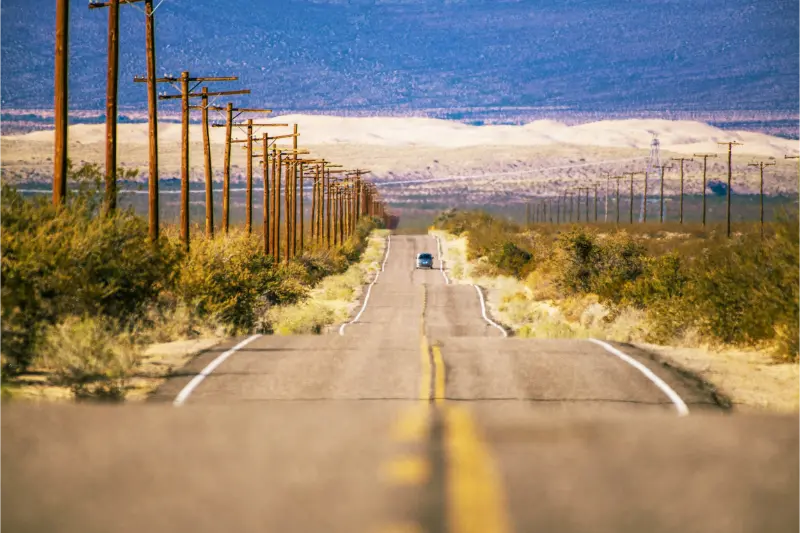
Go early, carry water and never classify desert hiking by mileage alone. Our Joshua Tree with kids guide has family-specific heat and trail planning advice.
11. Point Lobos short coastal loops
Point Lobos State Natural Reserve contains several short segments that can be combined into a gentle coastal walk, with wildlife and ocean views providing a strong payoff. Parking and trail conditions influence which loop is best on a given day.
Use our Point Lobos guide to choose one realistic route rather than attempting the whole reserve. Families and older travelers often enjoy the park more when they stop at one or two coves instead of counting miles.
12. Salt Creek area — Death Valley, when open and appropriate
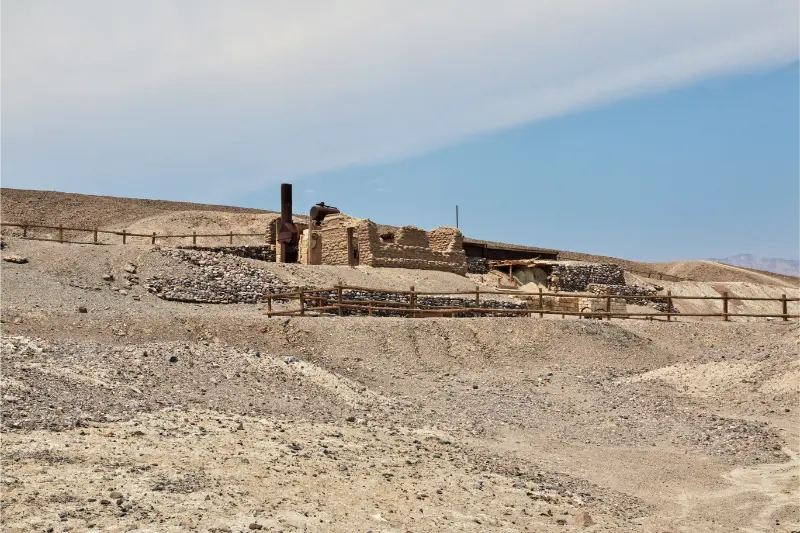
Short boardwalk-style desert nature routes can be excellent for travelers who do not want a long hike, but Death Valley conditions change and extreme heat can make even a short walk inappropriate. Salt Creek access has also been affected by storm damage in recent years, so this is a location to verify with NPS immediately before travel.
If the route is closed or temperatures are unsafe, substitute a drive-up viewpoint. Our Death Valley in winter guide is the better planning framework for a low-exertion visit.
Easy does not mean the same thing for everyone
A two-mile flat trail may be easy for a regular walker but difficult for someone recovering from surgery, pushing a stroller or acclimating to altitude. A half-mile sandy beach route can be harder than a paved mile. Before choosing, look at surface, shade, grade, altitude and bathroom access.
Travelers with mobility needs should use our Accessible California guide and official park accessibility pages. California State Parks maintains a searchable list of accessible trails, but temporary weather and maintenance can still affect use.
How to hike with children without turning it into a negotiation
Give children a destination they can understand: a giant tree, waterfall, creek, viewpoint or rock formation. Carry snacks before they are hungry, use the bathroom when you see one and stop while the walk is still enjoyable. A child who completes a 0.8-mile loop happily is more likely to want another hike tomorrow.
For toddlers, a carrier may be more practical than a stroller on roots and uneven surfaces. For older children, let them navigate a simple trail map or choose between two short routes.
Easy hikes for active seniors
Mileage is often less important than steepness, footing and altitude. Redwood trails are generally lower elevation and shaded, while Sierra trails may begin above 6,000 feet. Build a rest day after a long flight and avoid making the first mountain morning the hardest walk of the trip.
Trekking poles can improve confidence on uneven ground even when the trail is considered easy. Carry regular medication, water and a charged phone, but do not assume cellular service exists in a park.
When to turn around
Turn around when heat rises, smoke thickens, snow or ice appears, someone develops pain or dizziness, or the trail surface is more technical than expected. Completing the named loop is never more important than the next day of the vacation.
This is particularly important in deserts and at altitude. A short trail gives you the freedom to leave early; use that advantage.
Official information matters more than difficulty labels
California State Parks publishes trail ideas and difficulty information and an accessible-features database. For national parks, check the relevant NPS trail and current-conditions pages before each visit.