The Ferry Building is one of San Francisco’s easiest places to build a flexible half-day because it combines architecture, food, ferries and a walkable waterfront. It works for first-time visitors, families, older travelers and anyone who wants a less complicated day than crossing the city between major attractions.
The experience changes by day of week. The marketplace operates regularly, while farmers-market activity follows its own schedule. Check the official Ferry Building Marketplace and current market calendar before planning your trip around a specific vendor or market morning.
Why visit the Ferry Building?
The building itself is historic, but most visitors come for a combination of food and location. You can have breakfast or lunch, browse local products, step onto the waterfront and continue north or south along the Embarcadero without needing a car.
It is especially useful on arrival or departure days when you have several free hours but do not want a complicated museum reservation.
Farmers market vs ordinary marketplace day
A farmers-market day is busier, more seasonal and more food-focused. An ordinary day can be calmer and easier for browsing indoor shops. Neither is universally better. If your priority is produce and outdoor stalls, choose a market day; if your priority is a relaxed architectural stop and lunch, a non-market morning may suit you better.
How much time should you allow?
Allow 60–90 minutes for the building and a meal, or three to four hours if you include a waterfront walk. The Ferry Building does not need to occupy a full day unless you are using ferries or combining multiple nearby attractions.
Best direction for a waterfront walk
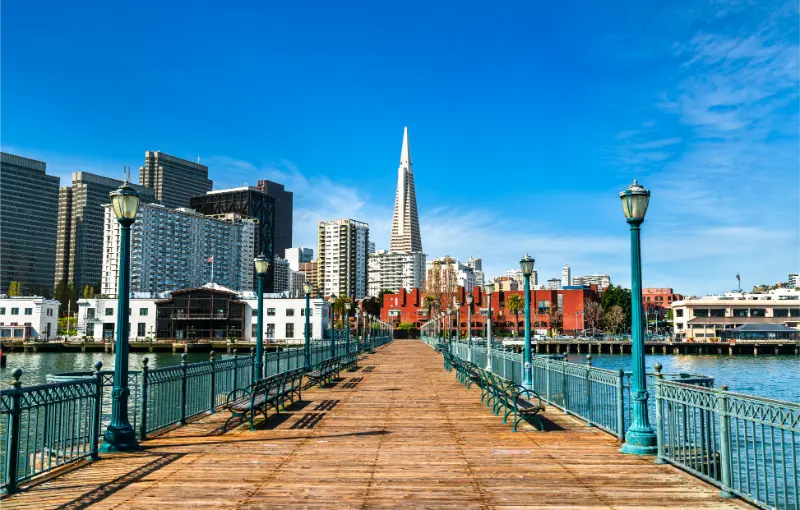
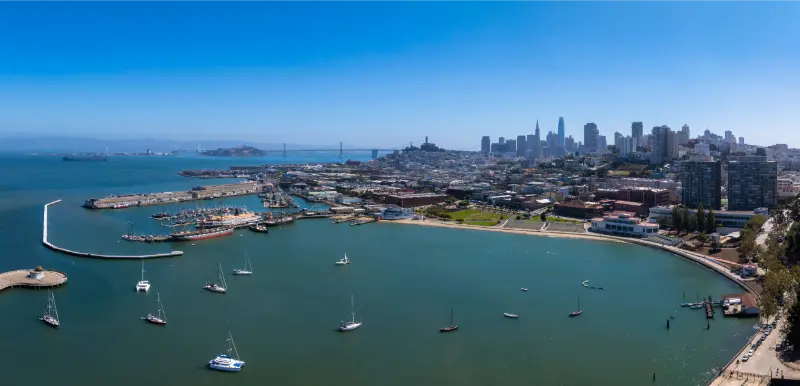
Walking north takes you toward Pier 7, the Exploratorium area, Pier 39 and Fisherman’s Wharf. Walking south leads toward the Bay Bridge side, Oracle Park and the broader South Beach waterfront. For most first-time visitors, the northbound route is more immediately iconic.
If your day already includes Fisherman’s Wharf and Pier 39, the Ferry Building makes a natural starting point. Walk part of the route, then use historic streetcars or other transit when legs get tired.
Food strategy
Do not feel obligated to eat at the most famous counter if the queue is long. The building’s strength is variety. A good plan is one savory item, one coffee or bakery stop and perhaps something portable for later.
On farmers-market mornings, arrive hungry but not desperate. Popular stalls can develop lines, and it is more enjoyable to browse first before committing to the first thing you see.
Transit and parking
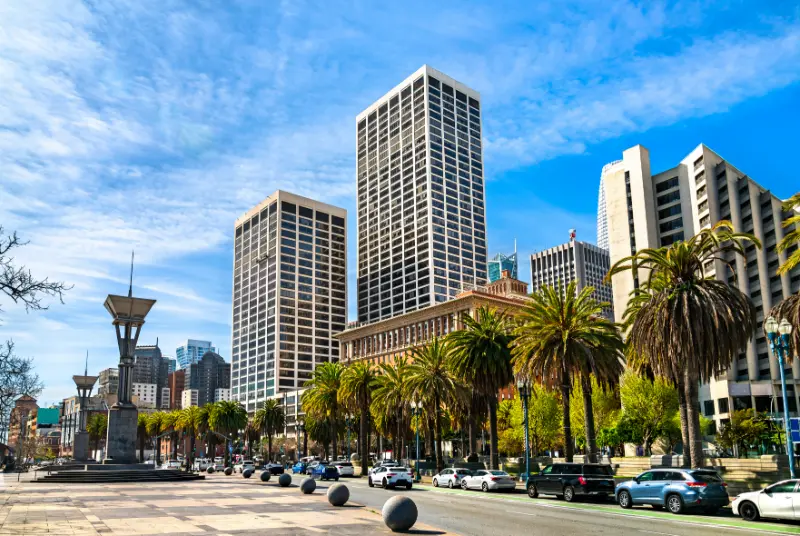
This is one of the San Francisco attractions where public transport usually beats driving. BART, Muni and streetcars connect conveniently to the Embarcadero. Parking garages exist but can be expensive, and there is little reason to keep a car downtown if you are spending the day on foot.
If you are arriving from the East Bay by ferry, the location becomes even easier: the transportation itself is part of the sightseeing experience.
Families with children
Children often enjoy watching ferries, streetcars and waterfront activity more than browsing specialty food shops. Keep the indoor market portion short, then walk outside. A ferry ride can turn the visit into a much stronger family experience if schedules fit.
Older travelers and accessibility
The waterfront is relatively flat by San Francisco standards, which makes this an excellent day for travelers who want to avoid steep hills. Benches, transit stops and indoor restrooms add practical comfort. Choose a shorter northbound or southbound section instead of trying to walk the entire Embarcadero.
When weather changes the plan
Wind and fog can make the waterfront cooler than neighborhoods just a few blocks inland. Bring a layer even on sunny days. Rain makes the indoor marketplace more valuable, while a clear day encourages a longer waterfront walk.
Best combinations
Combine the Ferry Building with the Exploratorium, Pier 39, North Beach or Chinatown depending on energy. Chinatown and North Beach can be reached from the waterfront with manageable walks or transit, creating a full but geographically coherent day.
A realistic half-day plan
Morning: arrive at the Ferry Building, browse the marketplace and have breakfast or an early lunch. Late morning: walk north along the Embarcadero. Midday: choose either the Exploratorium area or continue toward Pier 39. Finish: use Muni or a streetcar back rather than retracing every step if the group is tired.
Common mistakes
- Planning around a farmers market without checking the current schedule.
- Driving downtown when public transport would be easier.
- Assuming the entire Embarcadero must be walked.
- Underestimating wind and temperature changes at the waterfront.
- Eating a huge meal before reaching the market.
Is it worth prioritizing on a first trip?
Yes if you enjoy food, waterfront walking and flexible sightseeing. It is less essential than the Golden Gate Bridge for a one-day checklist, but it is one of the easiest places to create a pleasant San Francisco half-day without reservations or complicated logistics.
A few final planning notes
California trips are easier when you leave a little slack in the day. Traffic, parking, weather, timed-entry systems and simple travel fatigue can all change the pace. Build the day around one or two priorities, keep a backup option nearby and check the official site again shortly before you go. That approach is especially useful for families, older travelers and anyone who prefers a calmer itinerary rather than a checklist.
For accommodation, favor the base that reduces your hardest travel day rather than the one that looks best on a map. For transportation, compare the cost of parking and rideshare with the value of having a car available. If you are combining this stop with a longer California road trip, avoid changing hotels for a single attraction unless the transfer clearly saves time the following morning.
Finally, keep seasonal conditions in mind. Coastal fog, desert heat, mountain snow and wildfire smoke can affect completely different parts of the state on the same day. A good California itinerary is flexible enough to absorb those differences without ruining the trip. The articles linked above can help you build alternatives around the same region.
How to fit this stop into a larger California trip
The most efficient way to use this experience is to group it with places in the same part of the state. California distances are deceptive: two attractions can both be described as being in Los Angeles, San Francisco or a national park region and still require a meaningful transfer. Before adding another stop, compare real drive or transit time at the hour you expect to travel, not only straight-line distance. A good day normally has one major anchor, one secondary activity and enough unstructured time for meals, parking and delays.
If this is your first California trip, protect the places you care about most by putting them earlier in the day or earlier in the itinerary. Weather, wildfire smoke, road work, timed-entry systems and sold-out parking can all force changes. A flexible backup nearby is more useful than an ambitious list on the opposite side of the city or region. Families and multigenerational groups should also plan around the slowest realistic pace in the group, not the fastest person.
Budget and booking strategy
The headline ticket price is only one part of the cost. Parking, fuel, rideshare, food, special exhibits, lockers and reservation fees can matter just as much. Before booking, compare the total day cost and decide which extras genuinely improve the visit. Free attractions can become expensive when reached by repeated rideshare trips, while a paid attraction near your hotel may be the better value because it saves time and transportation.
Book only the elements that are capacity-limited or difficult to replace, and keep the rest of the day flexible. If a ticket has a fixed entry time, schedule a generous arrival buffer. If no reservation is required, early morning is often the easiest option for parking and crowds. Always use the official website for the final check because operating calendars, temporary closures and special-event rules can change after an article is published.
A slower alternative
Not every traveler wants a full sightseeing schedule. A slower version can be better: choose the single experience that matters most, add a relaxed meal nearby and leave the rest of the day open. This works especially well for older travelers, parents with small children and anyone recovering from a long flight or several road-trip days. California rewards repeat visits, so there is no advantage in exhausting yourself simply to say you saw one more attraction.
Before you leave
Check the official site one final time on the morning of the visit. Confirm weather, road or transit conditions, parking instructions, accessibility needs and any reservation requirements. Carry water, a phone charger and a light layer appropriate to the region. Most importantly, give yourself permission to shorten the plan if the day is more crowded, hotter, colder or more tiring than expected. A well-paced California trip is usually more memorable than a perfectly completed checklist.
One last practical point is to separate what must be fixed in advance from what can stay flexible. Timed tickets, limited parking, ferries and capacity-controlled experiences deserve early attention. Meals, minor viewpoints and secondary stops usually do not. Keeping part of the day unbooked gives you room to respond to traffic, weather and the actual energy of the people traveling with you. It also prevents a small delay from turning into a chain of missed reservations. For a trip as geographically varied as California, that flexibility is not wasted time; it is part of good planning.