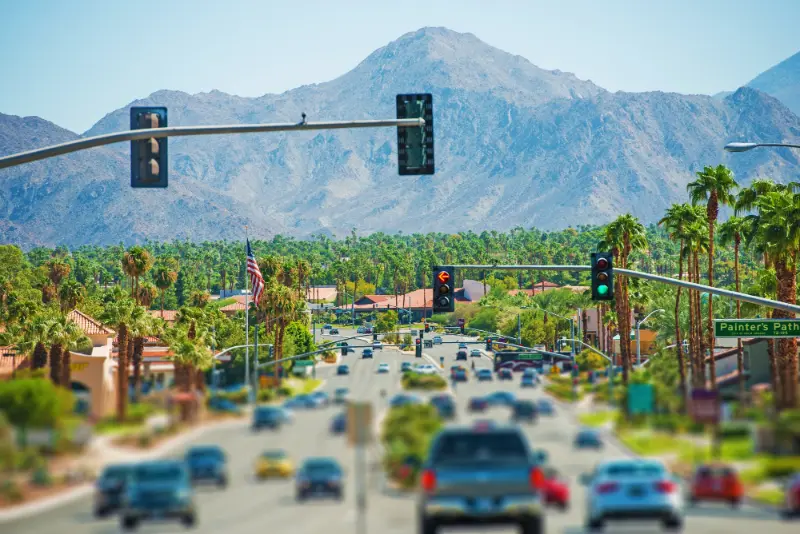
Palm Springs and Joshua Tree are close enough to combine but different enough that choosing the wrong base can change the entire desert trip. Palm Springs is a resort city with pools, architecture, restaurants and the aerial tramway. Joshua Tree is a national-park landscape surrounded by smaller desert communities where hiking, boulders, dark skies and early starts dominate the schedule.
The Palm Springs guide and Joshua Tree National Park guide explain each destination separately. This comparison is for the more practical question: where should you sleep, which place should get more nights and when does moving hotels actually improve the trip?
Quick answer
Choose Palm Springs for resort comfort, restaurants, pool time, architecture and a broader range of low-effort activities. Choose Joshua Tree or Twentynine Palms as your base when sunrise, sunset, stargazing and repeated park access are the main reasons for traveling.
Side-by-side comparison
| Best for resort time | Palm Springs |
|---|---|
| Best for national-park immersion | Joshua Tree area |
| Best restaurants/nightlife | Palm Springs |
| Best for dark-sky focus | Joshua Tree area |
| Best for non-hikers | Palm Springs |
| Best for sunrise/sunset in the park | Joshua Tree area |
The day-to-day rhythm
Palm Springs allows a split day: sightseeing or tramway in the morning, pool time during the hottest hours, then dinner in town. That rhythm is comfortable for couples, families and seniors who do not want every desert hour to involve hiking.
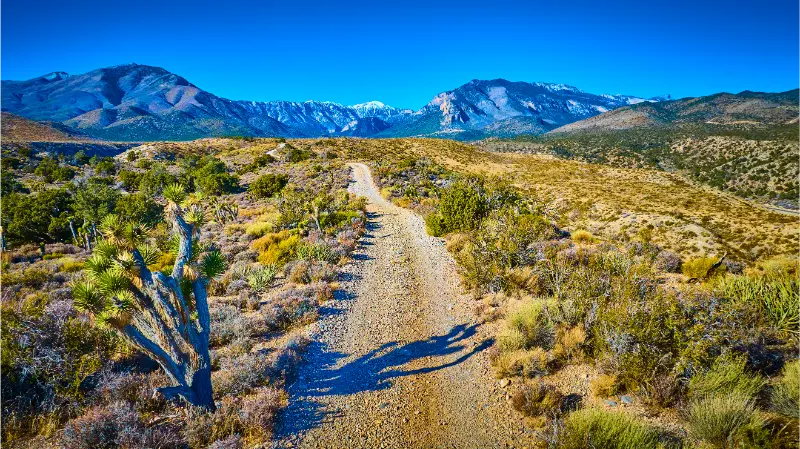
A Joshua Tree base creates an outdoor rhythm. You wake early, enter the park before heat or crowds, rest in the middle of the day and return for late light or stars. The lodging may be part of the aesthetic experience, but the park—not the hotel pool—usually sets the schedule.
Driving and park access
From Palm Springs, Joshua Tree is a realistic day trip, but it is not next door. Driving to the park entrance, crossing the park and returning can create a long day, particularly if you also want sunset or stargazing.
Staying in Joshua Tree, Yucca Valley or Twentynine Palms removes some of that commute and makes dawn and dusk visits easier. The trade-off is fewer urban amenities and a quieter evening. Choose the side of the park that best matches the next day’s route rather than selecting a rental only for décor.
Food and downtime
Palm Springs wins decisively for travelers who value restaurant choice, resort amenities and a real off-switch between excursions. You can have a full desert vacation even if one member of the group never wants a long hike.
Joshua Tree communities have good food and distinctive lodging, but the range is smaller and distances can still require driving. Groceries, water and meal timing deserve more thought, especially after a long park day when everyone wants dinner at the same popular hour.
Families and mixed abilities
Palm Springs is easier for mixed groups because the tramway, museums, pools and architecture offer alternatives to hiking. A grandparent can enjoy the same trip even when younger travelers spend a morning on trails.
Joshua Tree can still work wonderfully for families if the plan focuses on short walks, boulders and scenic drives. The important point is heat and terrain: young children and mobility-limited travelers need a conservative plan and frequent water and shade decisions.
Who should choose option A?
Choose Palm Springs if comfort is part of the vacation rather than merely where you sleep. Resort pools, spas, architecture and dining justify staying even on days when you do not enter the national park.
It is also the stronger base for a group with different interests. One person can hike, another can use the spa, and everyone can meet for dinner without making the non-hiker feel like they spent the vacation waiting.
Who should choose option B?
Choose the Joshua Tree area when the park is the reason for the trip. Sunrise photography, sunset boulders and stargazing become much easier when you are not facing a long drive back to Palm Springs.
It is especially effective for two-night park-focused stays. Arrive in the afternoon, see sunset, spend one full day exploring, then use the final morning for another short trail before leaving.
Families, seniors and mixed-age groups
Families with toddlers may prefer Palm Springs as the main base and one carefully timed park day. Families with older children who love climbing on rocks and nature can enjoy staying closer to Joshua Tree, provided adults understand desert safety.
For seniors and mobility-limited travelers, both destinations can work. Palm Springs offers more comfortable low-effort alternatives; Joshua Tree offers excellent scenic driving and viewpoints but fewer indoor fallbacks inside the park.
Where to stay and how many nights
In Palm Springs, choose between walkable downtown convenience and resort-style properties farther out. A pool is not a minor amenity in warm weather—it can define the middle of the day.
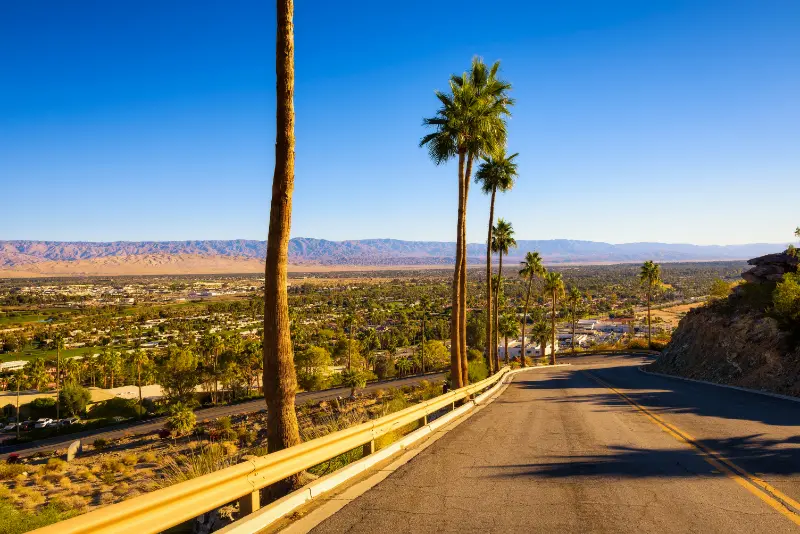
In the Joshua Tree area, choose the town based on park entrance strategy and food tolerance. Twentynine Palms can be practical for the north entrance; Joshua Tree village has atmosphere; Yucca Valley adds services. The most photogenic rental is not automatically the best logistical base.
Budget: compare the whole day, not only admission or hotel price
Palm Springs ranges from budget motels to luxury resorts, and resort fees can affect the real nightly cost. Joshua Tree vacation rentals may appear cheaper until cleaning fees, food logistics and extra driving are included.
Compare the full trip, including fuel and how many times you will drive between Palm Springs and the park. A more expensive Joshua Tree-area night may save time if your top priority is repeated park access.
Best time to go
Late fall through early spring is the easiest period for hiking and park exploration. Warm-season visits demand earlier starts, more water and a far more conservative trail plan.
Palm Springs can still be enjoyable in hot months because resorts are designed around heat, but Joshua Tree hiking should never be planned as if high summer were simply a sunnier version of winter.
Mistakes I would avoid
- Booking Palm Springs and assuming Joshua Tree is a quick nearby attraction.
- Choosing a remote Joshua Tree rental without checking food and road access.
- Planning midday desert hikes in hot weather.
- Ignoring the value of sunset and stargazing when choosing the base.
- Moving hotels for only one night when the relocation creates more work than benefit.
- Assuming every family member wants the same level of outdoor activity.
The wrong base does not ruin the desert, but it can turn the trip into commuting. Decide what you want to do at sunrise, 2 p.m. and after dark; the answer usually reveals where you should sleep.
A simple decision framework
If your ideal afternoon is a pool, restaurant and architecture walk, choose Palm Springs. If your ideal afternoon is a nap so you can return to the park for sunset and stars, choose Joshua Tree.
For three or more nights, splitting can make sense: two nights in Palm Springs plus two near Joshua Tree creates two distinct experiences. For one or two nights, choose one base and avoid moving luggage just to reduce a drive once.
Can you combine both?
Yes—this is one of the easiest destination pairs in Southern California. The key is to give them different roles rather than treating Joshua Tree as a Palm Springs attraction.
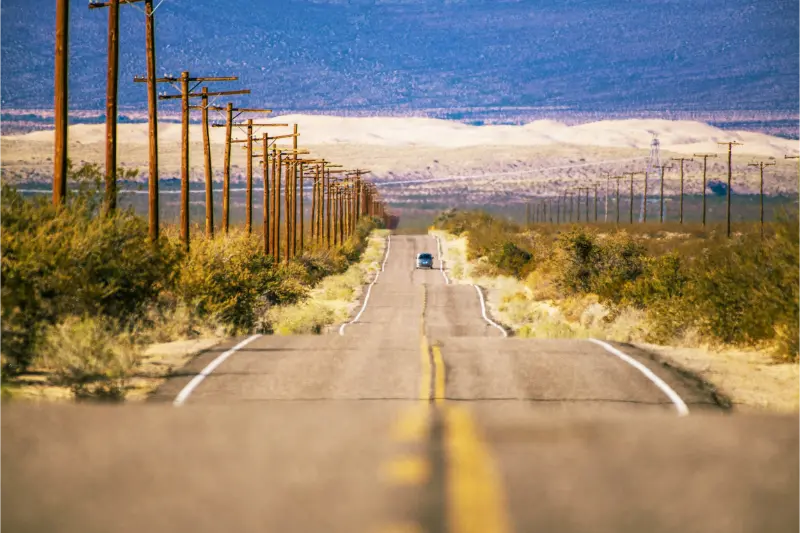
A longer loop can add the Salton Sea and Bombay Beach or continue toward Los Angeles. Keep desert driving conservative after dark because fatigue and limited lighting change the experience quickly.
Frequently asked questions
Can I visit Joshua Tree as a day trip from Palm Springs?
Yes. Many travelers do. It becomes a long day if you also want sunrise, sunset or stargazing, which is why park-focused trips benefit from staying closer.
Which is better with kids?
Palm Springs is easier for mixed interests and pool time; Joshua Tree is excellent for outdoor-focused families who plan around heat, water and short trails.
Do I need to change hotels to see both?
No. For a short trip, one base is simpler. Split the stay only when you want both resort time and repeated dawn/dusk park access.
Which has better food?
Palm Springs has the broader restaurant and nightlife scene. Joshua Tree-area towns have good options but fewer choices and less late-night flexibility.
My final choice
Choose Palm Springs when the desert is part of a comfortable resort vacation. Choose Joshua Tree when the desert landscape itself is the vacation.
They are close enough to combine, but the smartest itinerary gives each place a distinct role rather than spending every day driving back and forth between them.
Before you lock the itinerary
Check the official operating calendar, weather and transportation information again during the final week before departure. California trips are unusually sensitive to traffic, coastal fog, mountain snow, wildfire smoke, heat and attraction operating changes. A plan that was sensible when you booked can still need a small adjustment on the day.
I also recommend building a thirty- to sixty-minute margin around the day’s single most important experience. That margin absorbs parking, restroom stops, a slow breakfast, a child who needs a break or a road delay without forcing you to cancel the rest of the itinerary. Travelers often try to gain value by scheduling more; in practice, the margin is what allows the expensive or memorable part of the day to happen calmly.
Finally, choose one thing you are willing to skip. Naming the optional item in advance makes it much easier to adapt when the group is tired. A flexible itinerary is not an unfinished itinerary—it is a plan that recognizes that real people, weather and traffic do not follow a spreadsheet.