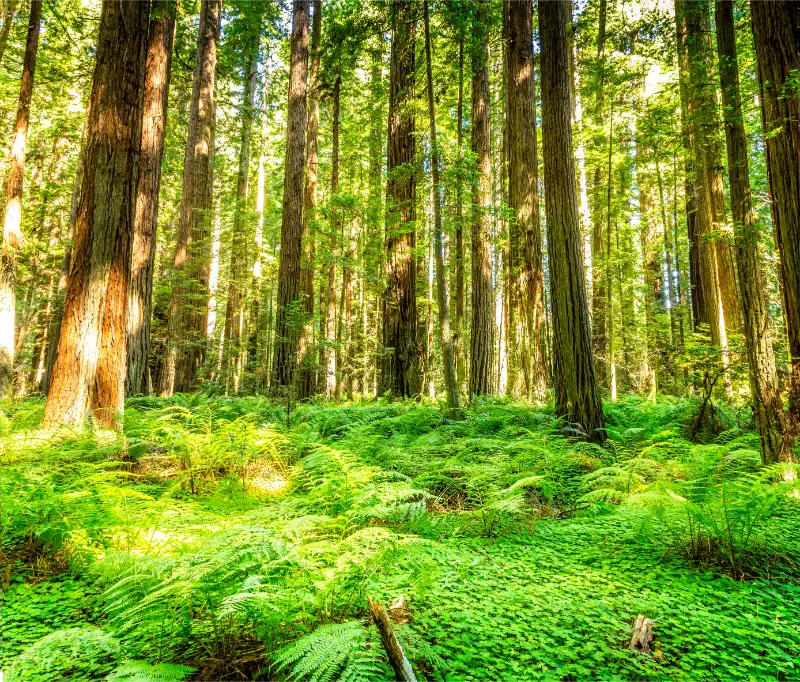
Eureka is often treated as the place where travelers buy fuel before continuing to the redwoods. That misses the point. The city and Humboldt Bay add Victorian architecture, working waterfronts, food, wildlife and real local history to a North Coast itinerary that might otherwise become an endless sequence of very tall trees. The contrast is exactly why Eureka deserves its own two or three days.
My favorite way to use Eureka is as a base for three distinct experiences: one day in the city and bay, one day south toward Humboldt Redwoods and the Avenue of the Giants, and one day north toward Arcata or the national and state redwood parks. That avoids changing hotels every night and gives you indoor and waterfront alternatives when coastal weather turns wet.
Quick planning snapshot
| Decision | What I would do |
|---|---|
| Ideal stay | 2–3 nights. |
| Best for | Redwoods, Victorian architecture, harbor scenery, food, wildlife and a slower North Coast road trip. |
| Car needed? | Useful for regional redwood days; less important for Old Town and waterfront time. |
| Weather mindset | Bring layers and rain protection in every season. Coastal summer can be cool and foggy. |
Why Eureka improves a redwood road trip
Old Town Eureka has enough architecture and waterfront atmosphere to slow the pace after several hiking days. The Carson Mansion is the famous visual landmark, but the broader value is the street pattern of historic buildings, galleries and businesses around the bay. Nearby Arcata adds a different college-town character, while the bay itself supports birding and wildlife viewing.
Eureka is also logistically useful. It has more lodging, supermarkets, restaurants and services than many small communities along the Redwood Coast. That makes it an easier base for families and for travelers who want a comfortable evening after a damp forest hike. The trade-off is driving to trailheads, so group the north and south excursions instead of crossing Humboldt County repeatedly.
A practical 3-day Eureka and Humboldt Bay itinerary
Day 1: Old Town, waterfront and Humboldt Bay
Begin in Old Town and walk a compact loop rather than driving between every block. Look at the restored commercial buildings, continue toward the waterfront and leave time for cafés, galleries or the Clarke Historical Museum if that matches your interests. The city is more rewarding when you treat it as a place with its own history instead of an overnight staging area.
Use the second half of the day for the bay. Depending on season and interest, that might mean a waterfront walk, birding, a harbor outing or simply watching working boats and tides. Families often benefit from this lower-mileage day before a major redwood excursion.
Day 2: Avenue of the Giants and Humboldt Redwoods
Drive south and make Humboldt Redwoods State Park the anchor. Avenue of the Giants is roughly 32 miles long, but the drive should not be measured by distance. Pullouts, groves and short walks can easily turn it into most of a day. Founders Grove is a classic first stop, while additional groves let you move away from the busiest pullouts.
Return to Eureka rather than adding another distant park north of town. This is one of the most common mistakes on the Redwood Coast: visitors see short mileage numbers and forget how many stops they will want to make. One major redwood zone per day creates space to notice the forest.
Day 3: Arcata or the northern redwood parks
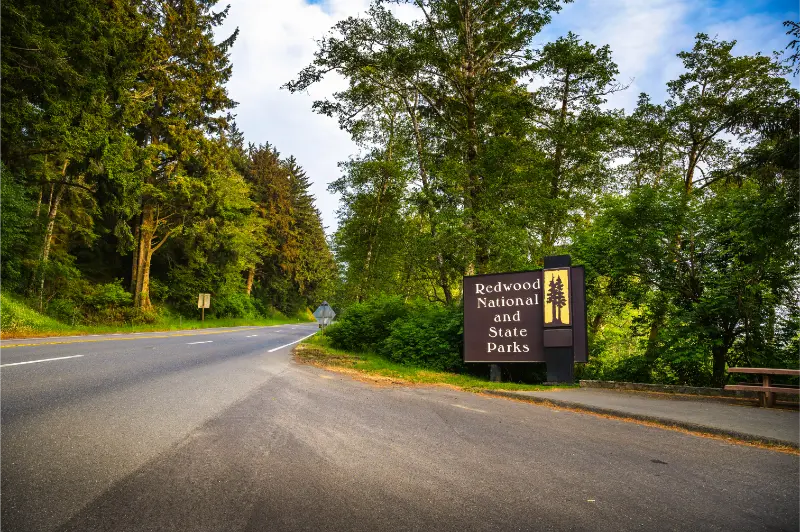
For a lighter day, spend the morning around Arcata Plaza, nearby wetlands or local food stops, then return to Eureka for a relaxed final afternoon. For a bigger nature day, continue north toward Trinidad and the Redwood National and State Parks corridor. Choose one or two trail areas rather than trying to sample every grove between Eureka and Crescent City.
If you are continuing north after Eureka, this third day can become a transfer day with meaningful stops rather than a return trip. That is the most efficient way to connect Humboldt Bay with Prairie Creek, Trinidad or Crescent City.
Where to stay: choose convenience before scenery
Old Town and the waterfront are convenient if you value walkability for dinner and evening atmosphere. Highway-adjacent lodging may offer easier parking and faster departures for redwood day trips. Families should compare room layout, parking and breakfast convenience rather than choosing purely on historic charm.
If you split the Redwood Coast into several bases, Eureka works well in the middle. Stay farther north only when you are ready to spend multiple days around Prairie Creek, Trinidad or Crescent City. Stay south near Humboldt Redwoods only when early forest access matters more than city services.
Getting there and getting around
You can enjoy central Eureka on foot, but the broader Humboldt itinerary needs a car. Highway 101 is the spine of the region, while scenic roads and park turnoffs slow the average speed considerably. Fog, rain, wildlife and roadwork can all extend drives.
Do not leave luggage or valuables visible in a parked car at trailheads or urban stops. On transfer days, plan hotel check-in and baggage storage so the car is not carrying everything you own while you hike.
Best time to go
Summer is popular but can be surprisingly cool, gray and foggy along the coast. Autumn may bring clearer weather, while winter is wetter and gives the forest a deeply atmospheric character. Spring is green and can be a good compromise between rainfall and crowds. There is no single perfect month; the key is packing for damp coastal weather even when inland California is hot.
Check for prescribed burns, storm damage and temporary road or trail closures before a redwood day. A park can be open while a specific grove or access road is not.
Traveling with children
Eureka is useful with children because it creates variety. After a forest day, Old Town, waterfront time and easy food stops reduce the pressure to keep hiking. Choose short redwood walks with strong visual payoff and let children spend time looking at roots, fallen logs and creeks rather than treating the trail as a race. Pack dry socks and a spare layer; small discomforts become large problems quickly in cool, wet forests.
Older travelers and limited mobility
The region can work well for travelers with limited mobility when you select viewpoints, visitor centers, scenic drives and short accessible paths instead of assuming every old-growth experience requires a long trail. Old Town sidewalks, waterfront segments and certain park facilities are easier than rugged forest routes. Review each park’s accessibility page because surfaces, grades and fallen-tree conditions vary.
Budget: where the money actually goes
Eureka can help control a Redwood Coast budget because it has a broad lodging and food market. The forests themselves are often low-cost compared with major commercial attractions. Spend on a comfortable base and perhaps one harbor or museum experience, then use scenic drives and walks for the bulk of the trip. Fuel is a meaningful cost because regional driving adds up quickly.
Mistakes that make this trip harder than it needs to be
- Treating Eureka only as a motel stop.
- Trying to visit Avenue of the Giants and the northern redwood parks in the same day.
- Packing for sunny California instead of a cool marine climate.
- Leaving visible luggage in the car on a transfer day.
- Assuming every redwood grove offers the same type of experience.
The North Coast becomes much richer when you alternate forest, town and water. Three consecutive days of similar grove stops can blur together; Eureka gives the trip contrast.
How to combine this stop with a longer California trip
Southbound, Eureka pairs naturally with Avenue of the Giants and then Mendocino, though the coastal drive takes longer than the map suggests. Northbound, continue to Trinidad and Redwood National and State Parks. Inland connections toward Redding cross mountainous terrain, so treat that as a real transfer day rather than a quick side trip.
Useful California for You guides
For a wider route, I would pair this guide with our Redwood National and State Parks guide, our Mendocino Coast guide, our California planning guide.
Official information to check before you go
For current park information, maps and North Coast planning, check official park and Humboldt tourism sources close to your dates.
Questions first-time visitors usually ask
Is Eureka worth staying in?
Yes, especially if you want restaurants, services and a cultural break between redwood days. It is more than a convenient midpoint.
How many nights do I need?
Two nights can work for one city day and one redwood day; three nights lets you add Arcata or the northern redwood corridor without rushing.
Is Eureka walkable?
Old Town and the waterfront can be explored on foot, but regional parks and beaches require a car for most visitors.
Should I stay in Eureka or Arcata?
Both can work. Eureka has a larger historic core and waterfront feel; Arcata has a compact plaza and university-town atmosphere. Choose based on evening preference and route.
Can I see Avenue of the Giants as a quick drive?
You can drive it quickly, but that misses its purpose. Budget several hours so you can stop in groves and walk under the trees.
Is summer warm in Eureka?
Not necessarily. Coastal fog and wind can make summer days cool even when inland California is very hot.
Final advice
Eureka is the place to let a Redwood Coast trip breathe. Use the city and bay to add history and human scale, then give the redwoods separate days north and south. That balance produces a much more complete picture of Humboldt County than simply sleeping beside Highway 101 and leaving at dawn.