California’s lakes are not interchangeable. Lake Tahoe is a major destination with beaches, ski resorts and multiple towns. Mono Lake is a fragile saline ecosystem where the landscape matters more than swimming. Big Bear is a practical mountain escape from Los Angeles, while alpine lakes near Mammoth reward hikers and road trippers. Choosing the “best” lake therefore means choosing the experience you actually want.
1. Lake Tahoe — best all-round lake destination
Tahoe combines clear water, beaches, mountain towns, hiking and winter sports on a scale no other California lake matches. It works for families, couples and multigenerational groups, but traffic and parking can be frustrating in peak summer. Use Lake Tahoe first-time guide before choosing North Shore, South Shore or Truckee.
2. Mono Lake — best for an unusual landscape
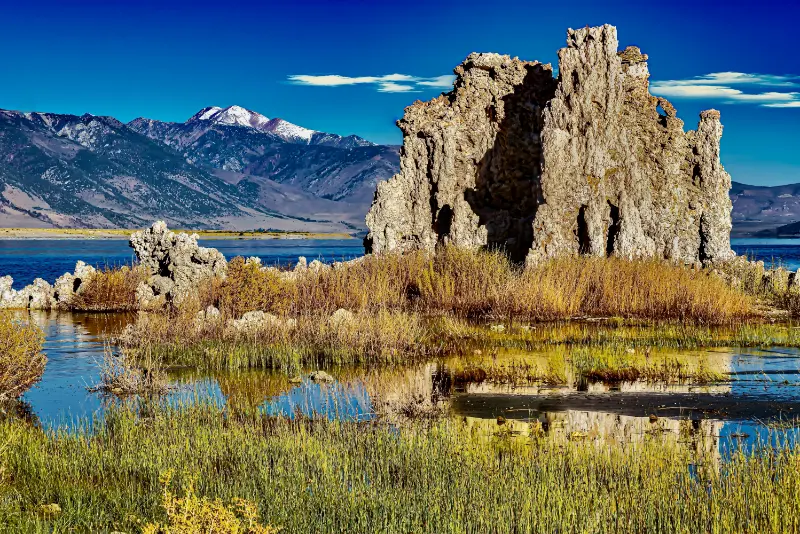
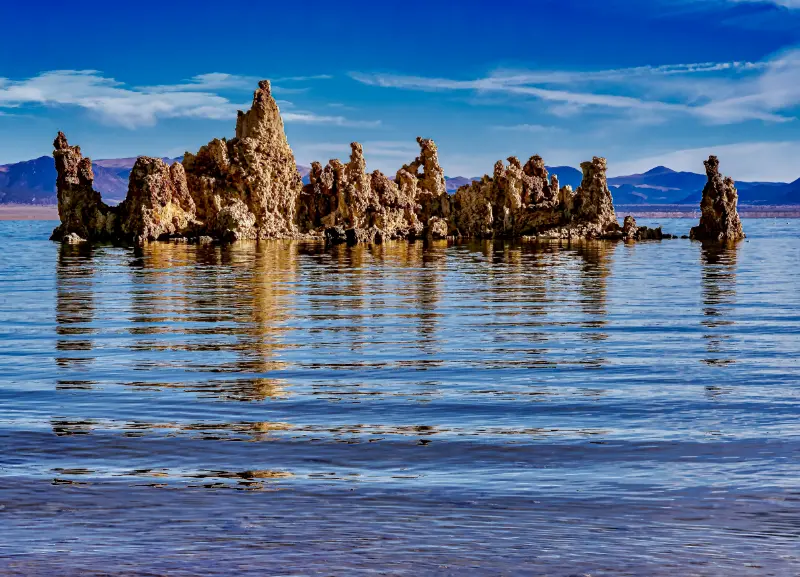
Mono Lake is not a traditional beach holiday. Travelers come for tufa formations, birdlife, high-desert scenery and sunrise/sunset light. It fits naturally into an Eastern Sierra road trip and pairs with Mammoth Lakes. Respect protected tufa areas and current shoreline guidance.
3. Big Bear Lake — best quick mountain escape from Southern California
Big Bear is one of the easiest ways to add a mountain lake to a Los Angeles-area trip. Summer brings boating, lake walks and family activities; winter shifts the focus toward snow and skiing. Weekend traffic can be substantial, so a two-night stay often works better than a rushed day trip. See Big Bear Lake guide.
4. Convict Lake — best high-impact stop near Mammoth
Convict Lake delivers dramatic Sierra scenery with very little logistical effort. The lakeshore is accessible by road and the loop trail provides a manageable hike for many visitors. It is especially useful on a Mammoth Lakes itinerary because it does not require committing an entire day.
5. June Lake — best for a scenic Eastern Sierra base
June Lake offers a small-town mountain feel, beautiful water and access to the June Lake Loop. It can be a calmer alternative to Mammoth for travelers prioritizing scenery over resort services. Fall color is a major seasonal draw, while summer is better for water and hiking.
6. Lake Almanor — best for relaxed Northern California lake time
Lake Almanor is a strong choice for boating, fishing and slower family vacations near Lassen. It lacks Tahoe’s international profile, which is part of the appeal for travelers who want a practical lake base rather than a sightseeing checklist.
7. Shasta Lake — best for houseboats and a larger water-based trip
Shasta Lake is known for boating, houseboats and coves. Water levels vary by year and season, so marina access and shoreline appearance should be checked before booking. It combines naturally with Redding and the Shasta Cascade rather than with a short coastal itinerary.
8. Lake Berryessa — best Napa-area water escape
Lake Berryessa adds swimming, paddling, boating and open-water scenery to a Napa County trip. Summer can be hot, so water safety and shade planning matter. It is better treated as a deliberate outdoor day than as a quick detour between winery appointments.
9. Tenaya Lake — best Yosemite high-country lake when Tioga Road is open
Tenaya Lake is one of Yosemite’s most accessible high-country scenic stops, but only when Tioga Road is open. It is irrelevant to a winter or early-spring itinerary. When accessible, it works beautifully as part of a Tuolumne Meadows day rather than as a separate trip.
10. Manzanita Lake — best easy lake walk in Lassen
Manzanita Lake is particularly good for families because the loop is relatively easy and the views can include Lassen Peak. Seasonal road access remains the deciding factor. Families can combine it with Lassen first-time guide rather than racing to every volcanic feature.
11. Mammoth Lakes Basin — best for multiple alpine lakes
Instead of choosing one lake, the Mammoth Lakes Basin offers several connected by roads, trails and seasonal shuttle patterns. It is ideal for travelers who want short hikes, mountain scenery and flexibility. The Mammoth Lakes guide explains how to use the basin without driving from lake to lake all day.
12. Lake Siskiyou — best Mount Shasta family stop
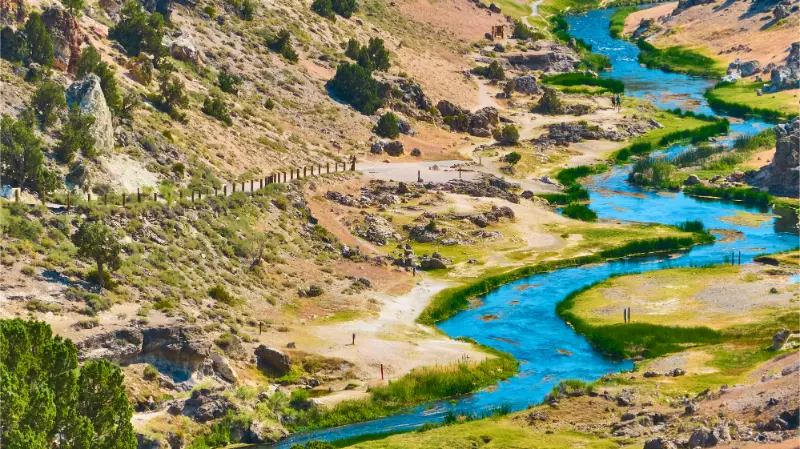
Lake Siskiyou combines easy access, mountain views and a family-friendly recreation setting near Mount Shasta. It works well as downtime on a Northern California road trip. Pair it with the Mount Shasta guide rather than treating it as an isolated destination.
How to choose the right lake by travel style
- For a full vacation with towns and services: Lake Tahoe.
- For a Southern California mountain weekend: Big Bear Lake.
- For geology and photography: Mono Lake.
- For Eastern Sierra road trips: Convict Lake, June Lake and the Mammoth Lakes Basin.
- For boating or houseboats: Shasta Lake.
- For a Northern California family base: Lake Almanor or Lake Siskiyou.
- For a national-park trip: Tenaya Lake or Manzanita Lake when seasonal roads are open.
Swimming and water-safety reality
Not every beautiful California lake is a swimming destination. Alpine water can remain dangerously cold even on hot days, reservoirs can have changing shorelines and some lakes have ecological protections or poor access. Check local advisories, life-jacket rules and current conditions. Never judge water safety from appearance alone.
How to pace the day so it still feels like a vacation
California lake planning is about matching season, access and activity rather than simply choosing the most famous shoreline. A useful rule is to choose one anchor experience for the morning, one flexible activity for the middle of the day and one optional late-day stop. That structure survives traffic, weather, tired children and seasonal changes far better than a minute-by-minute checklist.
Build in one genuine break. In California that can mean a picnic table, a shaded plaza, a visitor center, a café or simply an hour at the hotel. The break is not lost sightseeing time: it protects the quality of the second half of the day, particularly for young children, older travelers and anyone adjusting to heat, altitude or long driving.
Where to stay and how to choose the right base
For Tahoe, Big Bear and Mammoth, staying near the lake region is usually worth it. Smaller scenic lakes are better added to an existing road trip rather than used as a one-night hotel stop by themselves.
For one night, practical access usually matters more than atmosphere. For two or more nights, walkability, food options and a pleasant evening environment become more valuable. Always check the real drive time to the first stop of the next morning rather than trusting a hotel description that says “near” a park, beach or attraction.
Families, seniors and travelers with limited mobility
Families should prioritize easy shoreline access, restrooms and safe swimming zones. Seniors may prefer lakes with scenic drives and paved viewpoints. Active travelers can choose alpine lakes where the hike is part of the experience.
Accessibility can change because of construction, snow, storm damage, temporary shuttle patterns or maintenance. When step-free access is essential, confirm the official accessibility information shortly before travel and keep one backup viewpoint or activity that requires less walking.
Common mistakes to avoid
- Assuming every lake is suitable for swimming.
- Planning a high-elevation lake before seasonal roads open.
- Booking a distant hotel to save money and then spending hours driving to the water.
- Ignoring wildfire smoke or water-level conditions.
- Trying to visit several Sierra lakes in one day instead of enjoying one area.
What to combine with this trip
Use this guide as a filter. Once you choose the lake style you want, connect it to a regional itinerary such as Tahoe, Mammoth/Eastern Sierra, Lassen or Mount Shasta rather than building a road trip around isolated pins.
The best combinations are geographic rather than aspirational. A nearby second stop can improve a day; a famous destination two hours in the wrong direction usually creates more driving than value. Treat transfer time as part of the itinerary and cut stops before you cut sleep, meals or safe driving time.
A practical decision framework before you go
The evening before the visit, identify the one experience you would be disappointed to miss, the condition that could disrupt it, the easiest backup and the point at which you will stop adding activities. Save the official conditions page, the first parking location and any reservation to your phone for offline access. This simple routine prevents most avoidable travel stress.
Separate stable information from information that must be checked again. Geography, general trail length and the character of a destination are relatively stable. Parking rules, shuttle schedules, road access, wildfire restrictions, surf, snow and opening hours can change quickly. Use official sources for the second group and treat old screenshots or social posts only as inspiration.
Budget and comfort strategy
Spend where it removes a real constraint. A better-located hotel can eliminate an hour of driving, a shuttle can remove parking stress and a grocery stop can prevent an expensive food search late in the day. At the same time, many of California’s strongest experiences—forest walks, viewpoints, beaches and scenic drives—do not require a large attraction budget.
Carry water, a light layer and simple food even on short sightseeing days. California can shift quickly between foggy coast, hot inland valleys, high elevation and cold evening air. Comfort is part of logistics, not an afterthought, because it determines whether the whole group still enjoys the final hours of the day.