California has some of the brightest cities in North America and, only a few hours away, some of the darkest public landscapes. Desert basins, high mountain valleys and remote coastal regions can reveal a sky that feels disconnected from Los Angeles or the Bay Area. The difference between an average night and a memorable one, however, is often planning rather than location.
Moon phase, clouds, wildfire smoke, road access, altitude and safe parking matter. A famous dark-sky park under a full moon or heavy smoke may show less than an ordinary desert pullout on a clear new-moon night.
1. Death Valley National Park
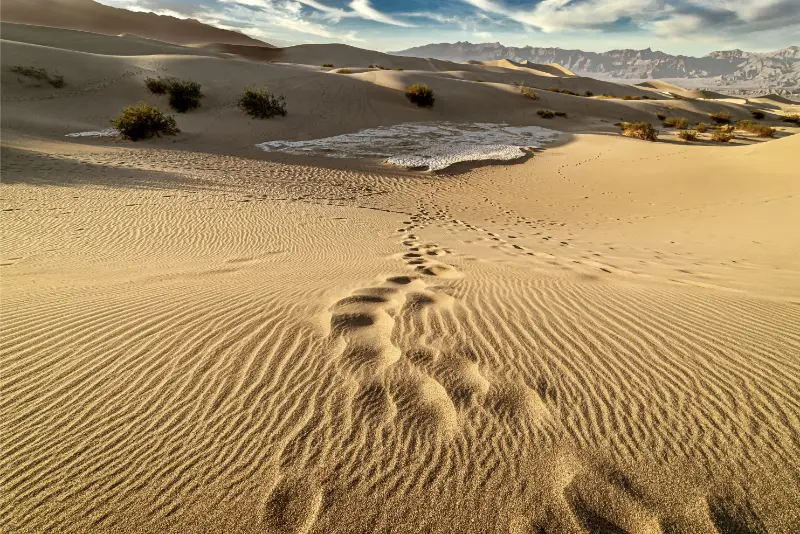
Death Valley is internationally recognized for dark skies and enormous horizons. The National Park Service recommends several night-exploration areas, including Mesquite Flat Sand Dunes, Harmony Borax Works, Badwater Basin and Ubehebe Crater. Choose a place you can reach and leave safely after dark; remoteness is not useful if you are uncomfortable driving back.
Use our Death Valley guide for lodging and distances, or the winter Death Valley itinerary if you want comfortable night temperatures.
2. Joshua Tree National Park
Joshua Tree is one of Southern California’s most accessible dark-sky destinations. The park identifies designated stargazing areas such as Quail Springs, Hidden Valley, Cap Rock and Ryan Mountain parking areas, while Pinto Basin generally has darker conditions farther from surrounding communities.
See the official Joshua Tree stargazing guidance before choosing a site, and never park in a traffic lane or wander far from your vehicle at night without a clear route.
3. Anza-Borrego and Borrego Springs
The Anza-Borrego region offers broad desert horizons and relatively easy access from San Diego. Borrego Springs has worked deliberately to protect dark skies, and winter nights can be comfortable compared with higher mountain destinations.
Use our Anza-Borrego guide for daytime routes. Avoid driving unpaved desert roads at night merely to get farther from town unless you already know the route and your vehicle is suitable.
4. Mojave National Preserve
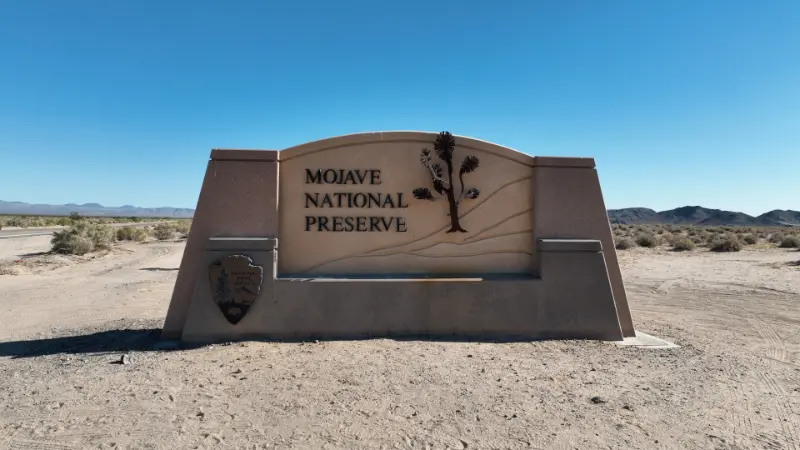
Mojave’s distance from major cities creates excellent darkness, but services are sparse and road conditions can change. This is a destination for travelers who are comfortable with remote desert logistics. Plan fuel, water and overnight location before sunset.
Our Mojave National Preserve guide explains why a standard road-trip mindset can fail in such a large protected area.
5. Eastern Sierra and Alabama Hills
The Eastern Sierra combines high mountains, dry air and relatively small towns. Alabama Hills near Lone Pine can provide striking foregrounds for night photography, while Bishop-area locations and high-desert valleys offer broad skies.
Respect camping and parking rules, especially in designated camping zones. Our Lone Pine and Alabama Hills guide covers practical access.
6. Mono Lake region
Mono Lake’s open basin and volcanic landscape can be spectacular under stars, but night access should remain within legal, established areas. Sensitive tufa formations are not props to climb on. The Eastern Sierra also becomes cold rapidly after sunset at elevation.
Pair stargazing with our Mono Lake guide rather than arriving only at night with no understanding of the landscape.
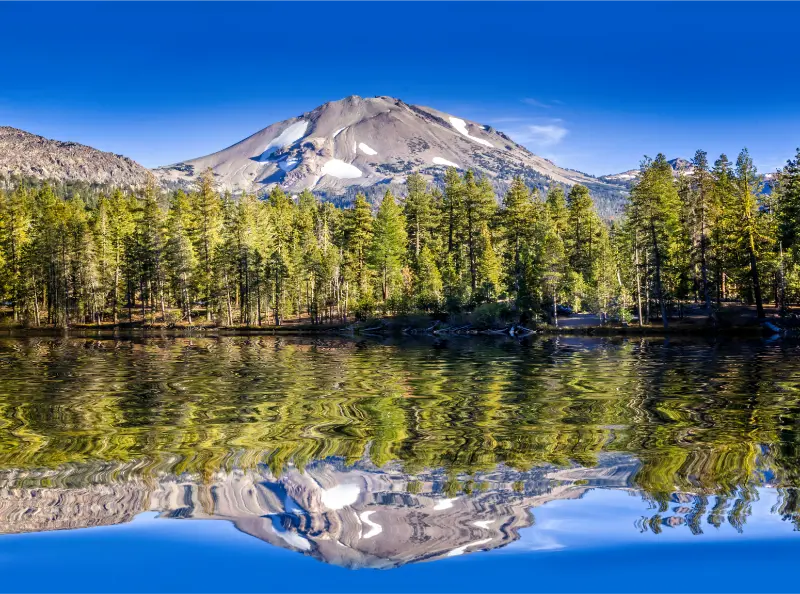
7. Lassen Volcanic National Park
Lassen’s high elevation and distance from large urban centers support excellent night skies during the snow-free season. Summer can be the most practical time because roads and campgrounds are more accessible, but wildfire smoke can affect visibility in some years.
High elevation means colder nights than many visitors expect. Bring layers even after a warm day. See our Lassen guide for seasonal road context.
8. Mount Shasta region
The Mount Shasta area offers mountain silhouettes and rural darkness, though cloud cover can be more variable than in the desert. Choose established viewpoints and avoid stopping on narrow mountain roads. The visual foreground can make a partly lit sky more photogenic than a technically darker but featureless location.
Our Mount Shasta guide helps with bases and daytime activities.
9. Pinnacles National Park and Central Coast interior
Pinnacles is relatively close to population centers yet can provide much darker skies than the Bay Area. Camping can make a night session easier, but check campground access and park rules. The east and west entrances are not connected by an internal road, so choose the correct side before dark.
Use our Pinnacles guide for access logistics.
10. Remote North Coast
Redwood and North Coast areas can become very dark, but fog and cloud are common. When skies clear, coastal headlands and rural campgrounds may be excellent. Never choose an exposed cliff or unfamiliar beach simply because a light-pollution map looks promising. Tides, slippery surfaces and wildlife add hazards after dark.
Moon phase matters more than most beginners realize
A bright full moon can wash out the Milky Way and faint stars. For the darkest sky, plan around the new moon and check moonrise/moonset times. A crescent moon may set early enough to leave several dark hours. If your goal is landscape photography rather than maximum stars, some moonlight can actually help illuminate mountains or desert.
Weather, smoke and transparency
A cloud-free forecast is not the whole story. High atmospheric haze, wildfire smoke and windblown dust can reduce clarity. Check air-quality and fire information during summer/fall. In coastal California, fog can arrive suddenly even after a clear afternoon.
Stargazing safety
Use legal parking, stay out of roads, carry a red flashlight, tell someone your location and bring warmer clothing than daytime conditions suggest. In desert areas, keep extra water and fuel. In mountain areas, understand that snow or ice may remain even when lower elevations are dry.
Do not hike an unfamiliar trail for the first time in total darkness just to escape a few distant lights. A safe parking area with slightly brighter sky is better than a perfect dark site with navigation risk.
Stargazing with children
Keep the session short and goal-oriented: find the Milky Way, identify three constellations, watch for satellites or complete a Junior Ranger night-sky activity. Bring blankets, warm drinks where appropriate and a comfortable place to sit. Children often enjoy 30 focused minutes more than two cold hours.
Final advice
The best stargazing in California comes from matching a dark location with the right night. Check moon phase, weather, smoke and road conditions; arrive before sunset if the location is unfamiliar; and protect your night vision once darkness falls. Death Valley or Joshua Tree may be famous, but a clear rural Sierra or desert night that fits your route can be just as memorable—and far safer than chasing a pin on a darkness map.
Simple night-sky photography
Modern phones can capture surprising night scenes when held completely still. A small tripod and delayed shutter help. For interchangeable-lens cameras, a wide lens, manual focus and a stable tripod are the basics; settings depend on focal length, sky brightness and the effect you want.
Do not let photography destroy your dark adaptation. Dim the screen, use a red light and spend part of the session looking at the sky without equipment. The memory of a dark landscape matters more than producing a technically perfect image.
One last planning check
Before traveling, reopen the official pages for the places in this guide and verify hours, reservations, road conditions and weather. California conditions change by season, construction and natural events, and a saved itinerary should be treated as a framework rather than a contract. Build at least one flexible block into the day so a closure or delayed meal does not force you to abandon the rest of the plan.
Also confirm where you will park or how you will return to your hotel after dark. Small logistical decisions often determine whether Best Stargazing in California feels easy or stressful, especially for families, older travelers and anyone visiting California for the first time.
How to make the day easier
Start with the one experience you would be most disappointed to miss and place it in the best part of the day for weather, crowds or reservations. Treat everything else as adjustable. Keep water, a light layer, a portable battery and an offline map available, and avoid storing luggage in a visible part of a parked car. If you are traveling with children or older relatives, schedule a real seated break before anyone asks for one; waiting until the group is tired usually turns a small delay into a difficult afternoon.
Finally, resist the urge to add a distant attraction simply because the map shows it within driving range. California traffic, parking and scenic-road delays make geographic distance a poor measure of effort. A shorter day with time to look around, eat properly and adapt to conditions usually produces a better trip than collecting one more stop.
Budget and timing buffer
Keep a modest buffer in both time and money. Parking, food, entrance charges, fuel and last-minute transport can cost more than expected, while a busy queue or road delay can remove an hour from the plan. Decide in advance which stop is optional so you know what to drop without debate. This is especially useful on weekends, holidays and school-break periods when visitor patterns can change quickly.
Download reservation confirmations and key addresses before leaving reliable Wi-Fi. If your day depends on a timed entry, ferry, tour or sunset arrival, work backward from that commitment and keep the previous part of the itinerary nearby. The most comfortable California travel days usually have one fixed anchor and several flexible pieces around it.