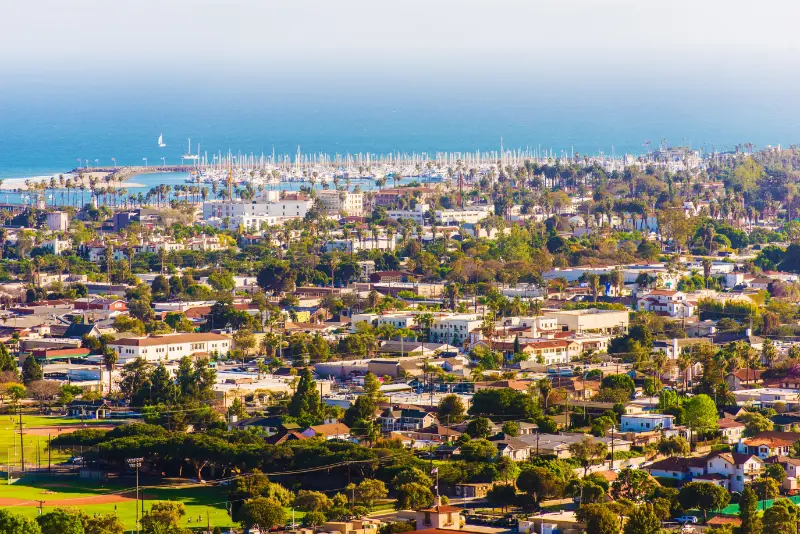
California’s Central Coast is often reduced to “drive Highway 1 between Los Angeles and San Francisco.” That framing creates rushed trips. Santa Barbara, the Santa Ynez Valley, San Luis Obispo, Morro Bay, Cambria, Big Sur, Carmel and Monterey are not photo stops on one long transfer; together they can fill a week without requiring a national park or major city.
This seven-day route begins in Santa Barbara and ends in Monterey. It deliberately uses a few multi-night bases so you are not repacking every morning. If your trip is part of a longer coast journey, compare it with our California Highway 1 road-trip guide.
Before you start: Highway 1 is condition-dependent
Big Sur is vulnerable to landslides, construction and temporary traffic control. Never build a nonrefundable itinerary around the assumption that every segment of Highway 1 will operate normally. Check Caltrans QuickMap and current District 5 updates close to travel. If a closure blocks through travel, US-101 becomes the practical inland alternative.
A road trip is not ruined because you must backtrack. The Central Coast has enough strong destinations on both sides of Big Sur to build a good trip around current access.
Day 1: Santa Barbara
Use the first day for Santa Barbara itself rather than arriving and immediately leaving for wine country. Walk the waterfront, explore the downtown/State Street area and choose one cultural stop such as the courthouse or mission depending on your interests. Keep the pace relaxed after travel.

Our Santa Barbara two-day guide has more detail. For this route, one full day plus an overnight is enough unless the city is a major priority.
Day 2: Santa Ynez Valley and Solvang
Drive into the Santa Ynez Valley for rolling hills, small towns and a different pace. Solvang is visually distinctive and easy to visit, but do not spend the entire day only on Danish-themed shops. Add Los Olivos, a winery appointment if appropriate for your group, or a countryside drive.
Families can focus on food, bakeries, farms and short walks instead of wine tasting. See our Solvang guide for a practical route. Sleep in Santa Barbara again or continue to San Luis Obispo if you prefer fewer morning miles on Day 3.
Day 3: San Luis Obispo
Move north via US-101. San Luis Obispo works well as a walkable base after two days of coastal driving. Explore downtown, Mission Plaza and local food rather than treating the city only as a sleeping stop. If your schedule permits, make a short detour to a beach town in the afternoon.
Stay in San Luis Obispo for two nights. Our San Luis Obispo guide explains why the city is useful as a base for both Pismo Beach and Morro Bay.
Day 4: Pismo Beach and Morro Bay
Start at Pismo Beach for a pier walk and oceanfront time, then continue to Morro Bay for the harbor, Morro Rock views and a slower afternoon. Do not try to add Paso Robles wine country on the same day unless you are comfortable spending most of the day driving.
Use our Pismo Beach guide and Morro Bay guide to decide which town deserves more time. Return to San Luis Obispo for a second night.
Day 5: Cambria and San Simeon
Leave San Luis Obispo and drive north toward Cambria. If Hearst Castle interests you, reserve a tour that fits your day and allow time for the visitor-center process. The castle is not a quick roadside viewpoint. Afterward, use coastal pullouts and elephant-seal viewing areas where access is legal and safe.
Stay in Cambria or San Simeon. Our Cambria and San Simeon guide covers the trade-off between historic touring and a slower coastal day.
Day 6: Big Sur
This is the day most travelers imagine when planning the Central Coast: cliffs, bridges, redwoods and ocean views. Start early, confirm road conditions and choose a small number of meaningful stops. Bixby Creek Bridge, selected state-park trails and coastal viewpoints can easily fill the day.
If through travel is not possible, use the portion of Highway 1 that is open from your side and then reroute inland. Never cross a closure or drive past barriers. If the highway is open, continue north to Carmel or Monterey for two nights.
Day 7: Carmel and Monterey
Spend the final day without major driving. Carmel-by-the-Sea offers walkable streets and beach access; Monterey provides the waterfront, Cannery Row and the aquarium. With children or strong marine-life interest, the aquarium can take half a day. With adults who prefer scenery, Point Lobos may be a better choice.
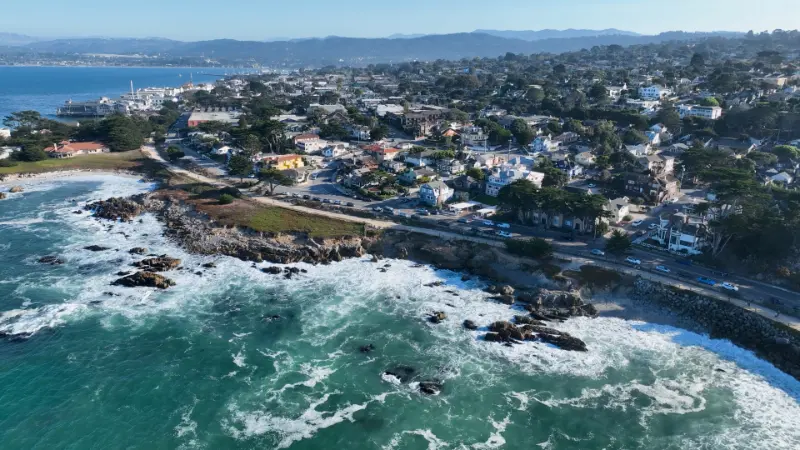
See our Carmel-by-the-Sea guide and Monterey, Carmel and Big Sur itinerary for the final-day options.
Where to sleep: fewer bases are better
A practical pattern is two nights Santa Barbara, two nights San Luis Obispo, one night Cambria/San Simeon and two nights Carmel/Monterey. This is seven nights; if you only have six nights, make Santa Barbara or Monterey a single-night base depending on your arrival/departure logistics.
Changing hotels every night sounds efficient but creates parking, check-in and luggage overhead. The Central Coast rewards mornings and evenings in town, not just driving.
How much driving?
Raw mileage is deceptive because scenic Highway 1 is slow. Stops, construction, one-way traffic control and photo pullouts can turn a modest distance into a full day. Avoid planning an evening restaurant reservation far from your hotel after a Big Sur drive.
Use our California road-trip mistakes guide to avoid common timing errors.
Best time of year
Late spring and early fall can balance weather and crowds, but conditions vary. Summer can bring coastal fog and heavy traffic. Winter can be beautiful but has higher storm and landslide risk. Wildfire smoke can affect inland sections in late summer/fall even when the coast itself is not burning.
No season guarantees a completely open Highway 1. Always check near departure.
Central Coast with children
Break the route with beaches, short walks and animal viewing. Avoid stacking a long castle tour, two-hour lunch and three scenic stops on the same day. Monterey Aquarium, Morro Bay harbor, beach time and simple redwood walks provide natural family anchors.
Pack layers; the coast can be much cooler than inland California. Our California road-trip packing list is useful for mixed climates.
For senior travelers
This itinerary already uses a slower pace, but you can reduce hotel changes further by using Santa Barbara, San Luis Obispo and Monterey as the three primary bases. Choose accessible viewpoints and shorter trails in Big Sur. Scenic value does not require steep hiking.
What to skip if you only have five days
Do not compress all seven days into five. Instead, skip the inland Santa Ynez day or reduce Santa Barbara, and choose either Pismo/Morro Bay or Hearst Castle—not every stop. Keep one full Big Sur day and one Carmel/Monterey day if road conditions allow.
Final advice
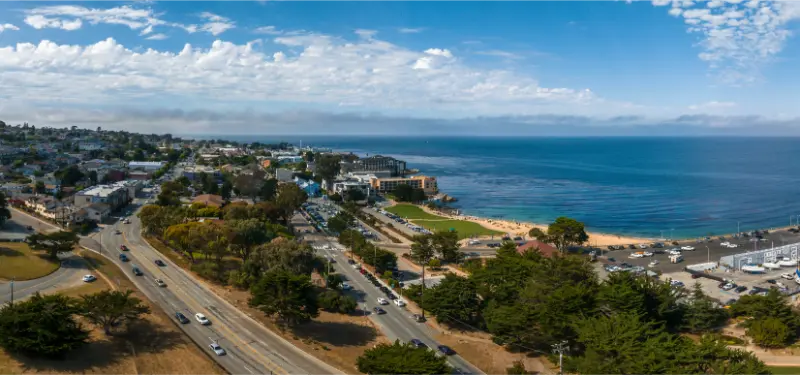
The Central Coast is best when you stop thinking of it as the road between two famous cities. Use a few bases, check Highway 1 conditions, leave time for fog and construction, and choose experiences that justify getting out of the car. Seven days lets Santa Barbara, San Luis Obispo County and the Monterey/Big Sur region each feel like a destination rather than a series of parking lots beside an ocean road.
Budget strategy
The Central Coast can become expensive because scenic towns have limited accommodation and weekend demand. Save money by booking midweek where possible, using grocery-store breakfasts or picnic lunches and choosing one splurge experience rather than treating every meal as a destination restaurant. Parking fees also accumulate in beach towns and attractions.
Do not save a small amount on lodging if it forces an extra hour of night driving on Highway 1. Location has real value on a route where daylight and road conditions shape the experience.
One last planning check
Before traveling, reopen the official pages for the places in this guide and verify hours, reservations, road conditions and weather. California conditions change by season, construction and natural events, and a saved itinerary should be treated as a framework rather than a contract. Build at least one flexible block into the day so a closure or delayed meal does not force you to abandon the rest of the plan.
Also confirm where you will park or how you will return to your hotel after dark. Small logistical decisions often determine whether California Central Coast Road Trip feels easy or stressful, especially for families, older travelers and anyone visiting California for the first time.
How to make the day easier
Start with the one experience you would be most disappointed to miss and place it in the best part of the day for weather, crowds or reservations. Treat everything else as adjustable. Keep water, a light layer, a portable battery and an offline map available, and avoid storing luggage in a visible part of a parked car. If you are traveling with children or older relatives, schedule a real seated break before anyone asks for one; waiting until the group is tired usually turns a small delay into a difficult afternoon.
Finally, resist the urge to add a distant attraction simply because the map shows it within driving range. California traffic, parking and scenic-road delays make geographic distance a poor measure of effort. A shorter day with time to look around, eat properly and adapt to conditions usually produces a better trip than collecting one more stop.