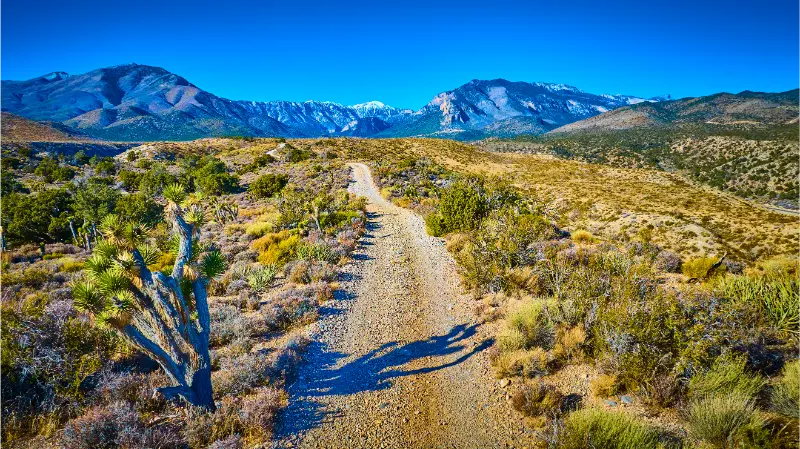
Winter is one of the best seasons for Joshua Tree National Park because daytime temperatures are generally far more comfortable than summer, but “winter” does not mean quiet, warm or predictable. The park’s busiest period runs broadly from fall through spring, and holiday weekends can produce entrance lines, full parking lots and sold-out campgrounds. Nights can be very cold, especially for travelers arriving from Los Angeles in light clothing.
Joshua Tree is open 24 hours a day, 365 days a year. NPS advises that most visitors come from October through May and recommends arriving before 8 a.m. during busy periods. There is no food, water or gasoline inside the park, so winter comfort still depends on arriving prepared. Use the official busy-season planning page before a holiday or weekend trip.
What winter weather really feels like
Sunny desert days can feel pleasant in the afternoon and surprisingly cold after sunset. Wind can make viewpoints uncomfortable even when the thermometer looks mild. Pack layers you can remove while hiking and put back on immediately at sunset. Campers need genuinely cold-night sleep systems rather than assuming the desert stays warm after dark.
Best winter activities
Winter is ideal for the classic short walks and viewpoints: Hidden Valley, Barker Dam when conditions suit, Skull Rock, Cap Rock and Keys View. Strong hikers can consider longer routes because heat risk is reduced, but shorter daylight matters. Start long hikes early and carry more water than cool air makes you think you need.
Crowd strategy matters more than season labels
Winter weekdays outside school holidays can feel relaxed. Christmas/New Year, holiday weekends and good-weather Saturdays can feel completely different. The West Entrance is usually the busiest. NPS suggests the North Entrance in Twentynine Palms or the South Entrance from I-10 as alternatives during congestion. If you are staying near Joshua Tree village, an early West Entrance arrival can still work well.
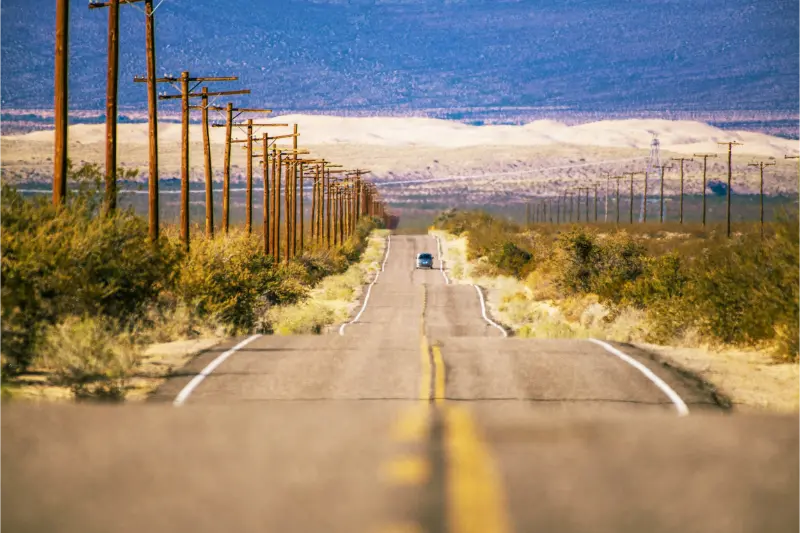
Stargazing without ruining the next day
Dark skies are a major reason to stay after sunset, but do not plan a late night and a dawn hike unless your group truly enjoys that rhythm. Choose one dark-sky stop close to your exit route, keep a warm layer and red-light setting ready, and avoid standing in roads or parking-lot traffic. Winter nights become cold quickly.
A realistic two-day winter plan
Day 1: classic west-to-east crossing
Enter early, hike Hidden Valley, stop at Skull Rock or nearby formations, then continue toward Keys View if weather and visibility are good. Leave space for unplanned pullouts rather than scheduling every rock formation. Stay for sunset only if your exit and dinner plan are simple.
Day 2: one longer hike plus quieter desert
Choose one longer hike that matches your ability, then spend the rest of the day exploring a less-crowded area or the Pinto Basin side. If you only have one day, use the Joshua Tree one-day itinerary instead of compressing this entire plan.
Camping in winter
Winter camping can be excellent but popular campgrounds may fill well in advance. Treat camping reservations separately from park entrance planning. Bring water, insulation and a strategy for early darkness. If your main goal is hiking rather than camping, a motel or rental in Joshua Tree, Yucca Valley or Twentynine Palms can create better sleep and a faster morning start.
How winter fits a Southern California trip
Joshua Tree pairs naturally with Palm Springs and can be a strong contrast to Los Angeles. Our Joshua Tree first-time guide covers the park in general, while the California in winter guide helps compare it with Death Valley, the coast and mountain trips.
How to pace the day so it still feels like a vacation
winter improves hiking comfort in Joshua Tree but also concentrates visitors into the same mild-weather months. A useful rule is to choose one anchor experience for the morning, one flexible activity for the middle of the day and one optional late-day stop. That structure survives traffic, weather, tired children and seasonal changes far better than a minute-by-minute checklist.
Build in one genuine break. In California that can mean a picnic table, a shaded plaza, a visitor center, a café or simply an hour at the hotel. The break is not lost sightseeing time: it protects the quality of the second half of the day, particularly for young children, older travelers and anyone adjusting to heat, altitude or long driving.
Where to stay and how to choose the right base
Joshua Tree village is atmospheric and convenient for the West Entrance; Twentynine Palms can be better for the North Entrance and often simplifies busy-day access. Palm Springs works if you prefer resort amenities and accept a longer drive.
For one night, practical access usually matters more than atmosphere. For two or more nights, walkability, food options and a pleasant evening environment become more valuable. Always check the real drive time to the first stop of the next morning rather than trusting a hotel description that says “near” a park, beach or attraction.
Families, seniors and travelers with limited mobility
Children often enjoy scrambling and short nature walks, but adults should define clear boundaries around steep drops and fragile desert soil. Seniors can build a scenic drive around short walks and viewpoints with minimal loss of experience.
Accessibility can change because of construction, snow, storm damage, temporary shuttle patterns or maintenance. When step-free access is essential, confirm the official accessibility information shortly before travel and keep one backup viewpoint or activity that requires less walking.
Common mistakes to avoid
- Assuming winter means empty parking lots.
- Arriving without water because temperatures are cool.
- Packing only daytime clothing for sunset or camping.
- Starting a long hike too late in the short winter day.
- Leaving the park immediately after sunset through the busiest exit.
What to combine with this trip
Combine Joshua Tree with Palm Springs or a Los Angeles road trip rather than forcing it into a same-day loop with Death Valley. The deserts look adjacent on a state map but the driving time makes that combination poor for a short visit.
The best combinations are geographic rather than aspirational. A nearby second stop can improve a day; a famous destination two hours in the wrong direction usually creates more driving than value. Treat transfer time as part of the itinerary and cut stops before you cut sleep, meals or safe driving time.
A practical decision framework before you go
The evening before the visit, identify the one experience you would be disappointed to miss, the condition that could disrupt it, the easiest backup and the point at which you will stop adding activities. Save the official conditions page, the first parking location and any reservation to your phone for offline access. This simple routine prevents most avoidable travel stress.
Separate stable information from information that must be checked again. Geography, general trail length and the character of a destination are relatively stable. Parking rules, shuttle schedules, road access, wildfire restrictions, surf, snow and opening hours can change quickly. Use official sources for the second group and treat old screenshots or social posts only as inspiration.
Budget and comfort strategy
Spend where it removes a real constraint. A better-located hotel can eliminate an hour of driving, a shuttle can remove parking stress and a grocery stop can prevent an expensive food search late in the day. At the same time, many of California’s strongest experiences—forest walks, viewpoints, beaches and scenic drives—do not require a large attraction budget.
Carry water, a light layer and simple food even on short sightseeing days. California can shift quickly between foggy coast, hot inland valleys, high elevation and cold evening air. Comfort is part of logistics, not an afterthought, because it determines whether the whole group still enjoys the final hours of the day.
How to adapt the plan when conditions change
Do not rebuild the entire trip because one element changes. First ask whether the problem affects access, safety or only convenience. If access is impossible, switch to a nearby alternative that uses the same hotel and general driving direction. If the issue is crowds or weather, change the order of the day before changing the destination. This approach keeps the trip coherent and avoids expensive last-minute detours.
A good backup should be simpler than the original plan, not more ambitious. Choose an indoor museum for heavy rain, a short accessible walk for fatigue, a town stop when a mountain road closes, or a beach viewpoint when surf makes water activities unsafe. The goal is not to reproduce the original experience perfectly; it is to preserve a good day.
Final planning checklist
- Confirm road, trail, ferry or shuttle conditions from an official source.
- Download reservations and maps before leaving reliable cell service.
- Check the first parking location and a backup lot or transit option.
- Carry water, sun protection and a layer appropriate for the region.
- Leave at least one optional stop that can be removed without disappointment.
- Avoid leaving visible luggage or electronics in a parked vehicle.
That checklist is intentionally short. Complicated plans fail when travelers are tired; simple plans are easier to follow and easier to change. California rewards flexibility more than perfect scheduling.