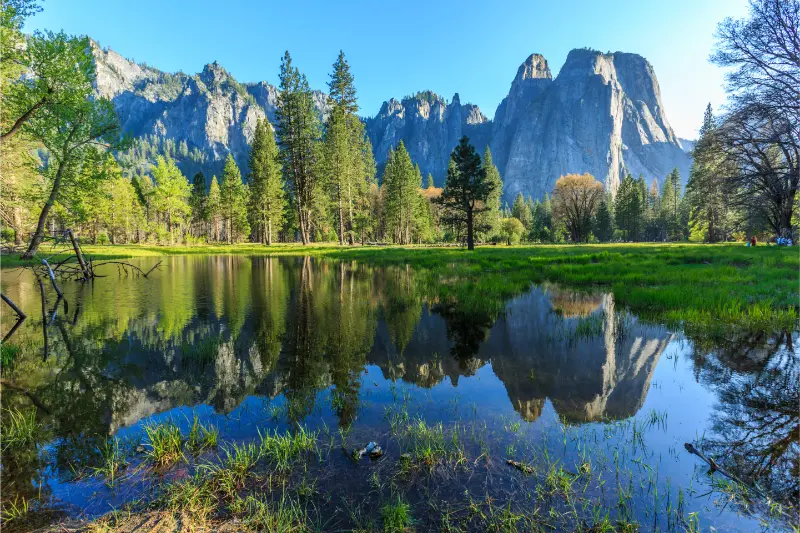
Yosemite in winter can feel more intimate than Yosemite in summer. The valley may be quiet after fresh snow, granite walls can appear above low cloud, and familiar viewpoints look completely different. But a winter visit requires more planning because the park remains open while access to major high-country areas changes dramatically. The correct question is not “Is Yosemite open?” It is “Which parts are open, and can I reach them safely on my dates?”
For most first-time winter visitors, Yosemite Valley should be the center of the trip. You can still see El Capitan, Half Dome from several viewpoints, Yosemite Falls when flowing, Bridalveil Fall, the Merced River and many classic valley scenes. What you cannot do is treat Tioga Road, Glacier Point Road or high-country trailheads as normal winter options.
What stays open in winter?
According to the National Park Service, Yosemite Valley, Wawona, Crane Flat and Hetch Hetchy are accessible by road year-round under normal conditions, although tire chains may be required. Tioga Road typically closes from about November through late May or June. Glacier Point Road also closes because of snow, with a limited portion sometimes open to the Badger Pass Ski Area during the winter season.
Always check the official Yosemite winter FAQ and current road information before departure. A park can be “open” while one road is temporarily closed during a storm.
Which entrance should you use?
For winter travelers coming from San Francisco or the Central Valley, Highway 140 through Mariposa and El Portal is often a practical option because it follows a lower-elevation approach. Highway 41 from Fresno and Highway 120 from the west also provide access, but weather can differ significantly by elevation.
Do not plan to enter from Lee Vining over Tioga Pass in winter. When Tioga Road is closed, Yosemite and the Eastern Sierra are separated by a very long detour around the Sierra Nevada. This mistake can add many hours and destroy an otherwise sensible road trip.
Do you need tire chains?
Winter conditions can trigger chain controls on park roads and state highways. Even four-wheel-drive vehicles may be required to carry traction devices. Rental-car companies can have restrictions on installing chains, so read your rental agreement and understand the policy before choosing Yosemite during a storm cycle.
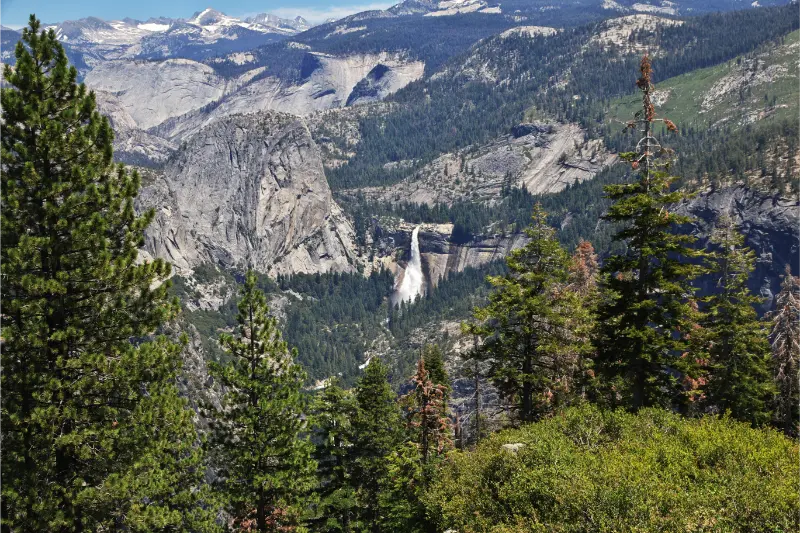
Caltrans QuickMap shows highway closures and chain controls outside the park, while Yosemite publishes park-road conditions separately. Do not rely only on a navigation app; a route that is theoretically shortest may be inappropriate in current weather.
Where to stay for a winter visit
Staying inside Yosemite Valley reduces winter driving and gives you the easiest morning access to classic scenery. Availability and price can be limiting, so book early and compare cancellation policies. El Portal is a practical outside-the-park base on Highway 140. Mariposa usually offers more lodging and dining but adds a longer drive each day.
If snow is forecast, the difference between a 10-minute local transfer and an hour of mountain driving matters. Saving money on a distant hotel can be a poor trade if you spend the best daylight hours commuting.
What winter weather feels like in Yosemite Valley
Winter days can be sunny, rainy, snowy or a mixture. The NPS notes average winter highs in Yosemite Valley around 50°F/10°C and lows around 30°F/-1°C, but a specific storm can be colder. Snow does not stay continuously on the valley floor every winter day, while higher elevations generally hold more snow.
Pack for wet and cold conditions rather than for a postcard image of deep powder. Waterproof footwear with good traction is more useful than fashionable winter boots with slick soles. Bring gloves, a warm hat, layers and a waterproof shell.
Best winter activities for first-time visitors
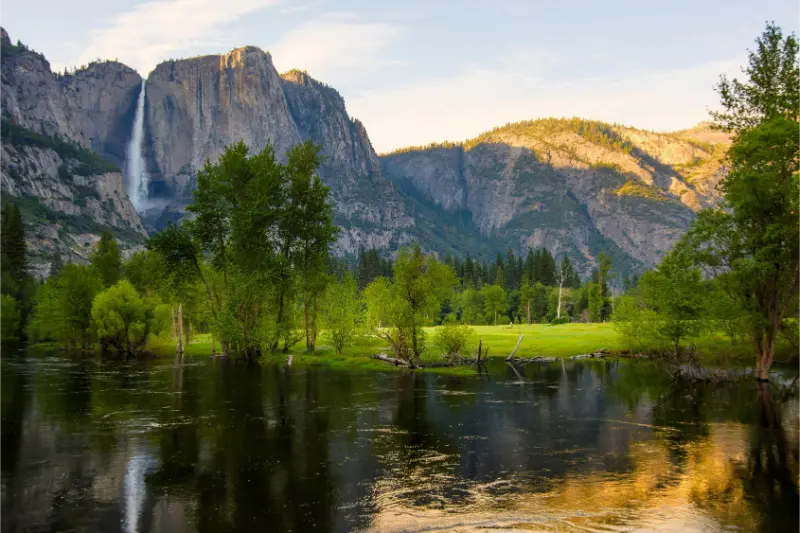
Valley viewpoints: Tunnel View, Valley View and open roadside viewpoints can be spectacular after snow. Never stop where parking is prohibited just because the scene looks good.
Easy valley walks: Lower Yosemite Fall area, Cook’s Meadow and sections of the valley floor can be enjoyable depending on snow and ice. Trail conditions change, so ask a ranger when surfaces are icy.
Photography: Winter light and low clouds can make the valley extremely photogenic. Keep batteries warm because cold reduces battery performance.
Badger Pass activities: When operating, the Badger Pass area can provide skiing, snowshoeing and winter recreation. Services vary by season, so check the current park information rather than assuming every winter program is available.
A realistic two-day winter itinerary
Day 1 morning: Enter the valley after checking road and chain conditions. Stop at Tunnel View only if the viewpoint and parking are safely accessible. Continue to your lodging or day-use parking and avoid moving the car repeatedly.
Day 1 afternoon: Walk an easy valley route such as Cook’s Meadow and the Yosemite Falls area if conditions permit. Use the free valley shuttle where it helps reduce driving. Finish near Valley View or another legal viewpoint before darkness.
Day 2 morning: Revisit the valley after overnight weather changes. Fresh snow can make the same viewpoints feel completely new. Choose a ranger-recommended walk based on current ice and snow rather than forcing a trail selected months earlier.
Day 2 afternoon: If roads are stable, consider Wawona or another accessible area; otherwise keep the day in Yosemite Valley. Leave before dark if you are driving a long distance to the next hotel.
Can families visit Yosemite in winter?
Yes, but families should reduce the daily mileage. Snow play, short walks and viewpoints can be more successful than trying to reproduce a summer hiking schedule. Bring spare gloves and socks for children; wet clothing can end a day quickly. Keep snacks and warm layers accessible in the vehicle.
For younger children, use Yosemite with kids as the base guide and then remove any activity that depends on summer road access. The valley’s shuttle is accessible and can reduce walking between stops.
Winter accessibility
Yosemite publishes an accessibility guide and operates a fully accessible shuttle in Yosemite Valley. However, winter introduces snow and ice to routes that may normally be accessible. Travelers using wheelchairs, walkers or other mobility aids should ask about current surface conditions rather than relying only on the standard facility description.
The official Yosemite accessibility page is the best starting point for services, accessible facilities and adapted programs.
What not to include in a winter Yosemite road trip
Do not schedule Tioga Pass, Tuolumne Meadows by road, Glacier Point by car or a same-day Yosemite-to-Death-Valley transfer based on the summer route. Do not assume an all-wheel-drive rental eliminates chain requirements. Do not place Yosemite on the final night before an international flight when a storm could delay the exit.
Combining Yosemite with other winter destinations
Yosemite combines more naturally with San Francisco, Sacramento or the Central Coast than with the Eastern Sierra in winter. A sensible route could be San Francisco → Yosemite → Monterey/Carmel → Santa Barbara → Los Angeles. This avoids needing to cross the Sierra.
If you want snow plus desert, it may be better to treat the trip as two separate regions connected by a longer western route rather than trying to pass through Yosemite.
Final advice
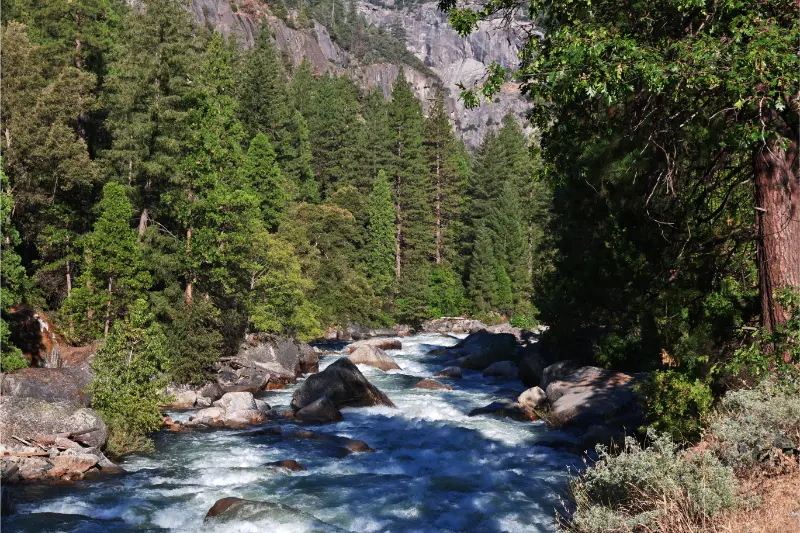
Yosemite in winter is not a reduced version of summer. It is a different visit with quieter roads, dramatic weather and a valley-centered rhythm. Stay close, check conditions repeatedly, carry the required traction equipment, and let the weather choose some of the day. If you do that, two winter days can feel richer than a rushed summer checklist.
Food, fuel and services in winter
Winter visitors should not assume every seasonal concession or roadside service operates on the same schedule as summer. Fill the fuel tank before the final mountain approach, especially if arriving after dark, and check restaurant hours near your accommodation. Carry simple snacks so a delayed arrival does not become a problem when kitchens close early.
Inside the park, services are more limited than during peak summer. If you have dietary restrictions, bring a backup meal or snack that can be stored safely. Do not store food in a way that violates Yosemite’s wildlife rules; bears remain a concern even outside the busiest season.
Snow photography and safe stopping
Fresh snow makes every turnout tempting, but winter roads have less shoulder space and snowbanks can hide curbs or drainage. Use designated parking only. Never stop in a travel lane because a viewpoint appears suddenly. If a parking area has not been plowed, continue to the next legal stop rather than creating your own space.
For cameras and phones, keep a spare battery or power bank warm inside a jacket or day bag. Cold reduces battery performance. Protect equipment when moving from cold outdoor air into a warm vehicle or hotel because condensation can form.
What to do if a storm arrives during your stay
If a winter storm becomes stronger than expected, the correct response may be to do less. Ask rangers or lodging staff about current road conditions, delay a departure if official guidance recommends it and avoid unnecessary driving after dark. A day spent close to Yosemite Village or your lodge can still include snowy views and short walks.
Do not let a prepaid reservation pressure you into driving a road that is closed or under conditions beyond your experience. The park will still be there; the goal is to leave with good memories, not a story about barely reaching the next hotel.