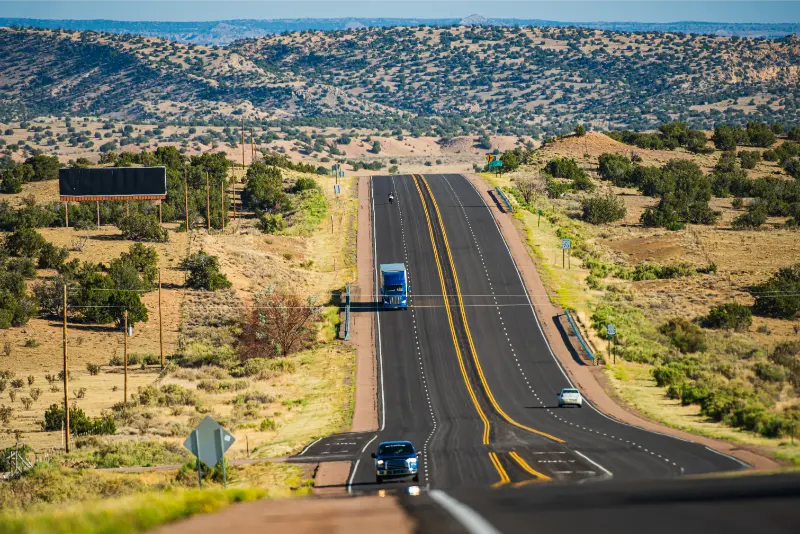
California has nine national parks, and that number creates a planning trap. On a map it is tempting to connect all nine with a line and call the result a road trip. In real life, Redwood and Lassen sit far north, Yosemite and Sequoia–Kings Canyon occupy the Sierra, Pinnacles is west of the Central Valley, Channel Islands requires boat logistics, and Death Valley and Joshua Tree pull you deep into the desert. Trying to visit all nine in two weeks turns extraordinary parks into parking lots, check-ins and windshield time.
A better 14-day first trip focuses on four major park systems: Yosemite, Sequoia and Kings Canyon, Death Valley and Joshua Tree. In the right season, this creates a coherent north-to-south route with granite, giant sequoias and two very different deserts. You can add a fifth park only if it fits your flights, season and energy. The goal is not to maximize the number of entrance signs photographed; it is to spend enough time in each landscape to understand why it became a national park.
Quick planning snapshot
| Decision | Practical answer |
|---|---|
| Best length | 14 days for four major park systems; 18–21 days if you want a fifth or sixth without rushing. |
| Best broad season | Spring and fall are the easiest compromise; summer desert heat and winter Sierra snow require major route changes. |
| Core route | San Francisco/Yosemite → Sequoia & Kings Canyon → Death Valley → Joshua Tree → Los Angeles or San Diego. |
| Biggest mistake | Trying to include Redwood, Lassen and Channel Islands in the same two-week loop just because California has nine national parks. |
Why this deserves its own plan
This route works because the landscapes change in a logical sequence. Yosemite provides high granite drama, Sequoia and Kings Canyon change the scale to giant trees and mountain roads, Death Valley strips the landscape down to heat, salt, geology and huge horizons, and Joshua Tree finishes with boulders, desert plants and a different elevation profile. Each stop feels distinct rather than repetitive.
The route is also honest about driving. There are long transfers, but they happen after two- or three-night stays rather than every morning. That rhythm matters. A national-park road trip becomes exhausting when the luggage is packed daily and every sunset is viewed through a windshield.
A realistic 14-day route
Days 1–3: Yosemite National Park
Fly into the Bay Area or another practical airport and reach Yosemite with enough daylight to settle in. Use two full days for the valley and one broader-area experience depending on season. In 2026 Yosemite does not require a season-wide vehicle reservation, but parking and congestion still reward early starts. Do not use the third day merely as a departure morning.
Days 4–6: Sequoia and Kings Canyon
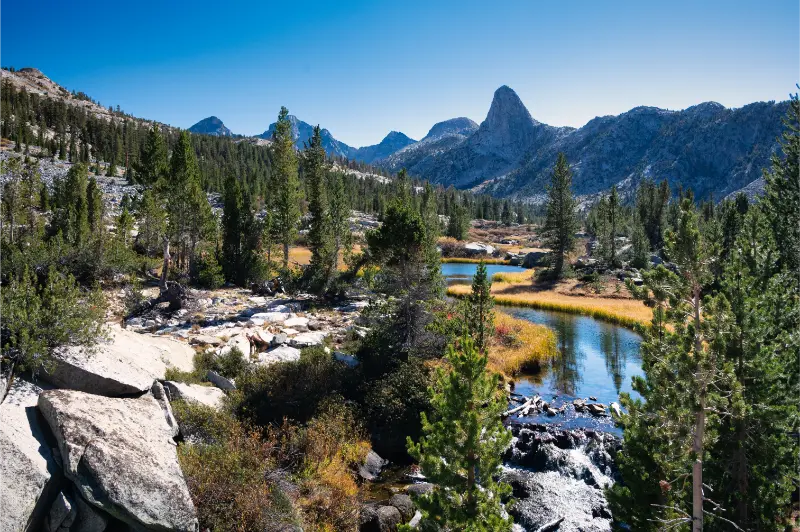
Drive south and give the giant-tree country two full days. Spend one day around Giant Forest and the General Sherman area, then use the second for Grant Grove, Kings Canyon or another open zone that matches road conditions. The parks are larger and slower to drive than many first-time visitors expect.
Day 7: transition day
Use a dedicated transfer day toward the desert rather than pretending you can leave a Sierra grove after lunch and still have a meaningful Death Valley sunset. Stop for groceries, fuel and a comfortable overnight if needed. This is the day that keeps the rest of the trip from becoming a race.
Days 8–9: Death Valley National Park
In appropriate temperatures, spend two days exploring different elevations and geological areas. Avoid summer versions of this itinerary unless you understand extreme-heat limitations. Road damage and flash-flood impacts can close routes, so check current conditions before committing to remote drives.
Days 10–11: Joshua Tree National Park
Move south to Joshua Tree and use one sunset/evening plus one full day. Combine scenic drives with short walks and one longer route only if temperatures are comfortable. Joshua Tree does not require an entrance reservation in 2026, but popular parking areas can still fill on weekends.
Days 12–14: Los Angeles or San Diego exit buffer
Do not schedule an international flight on the same afternoon you leave a desert park. Use two nights in Los Angeles or San Diego to absorb delays, return the rental car calmly and add one city or coast experience. If your priority is only parks, you can instead use one of these days as an extra night in Yosemite or Sequoia.
What is actually worth prioritizing
Protect two full days in Yosemite
The park is too important to reduce to an arrival evening and departure morning. If lodging cost tempts you to stay far away, compare the daily driving time before deciding you are saving money.
Treat Sequoia and Kings Canyon as a mountain-road destination
The groves are separated by winding roads and changing elevations. Do not schedule the same number of activities you would in a compact city. One or two major zones per day is enough.
Use temperature, not calendar pride, to decide on Death Valley
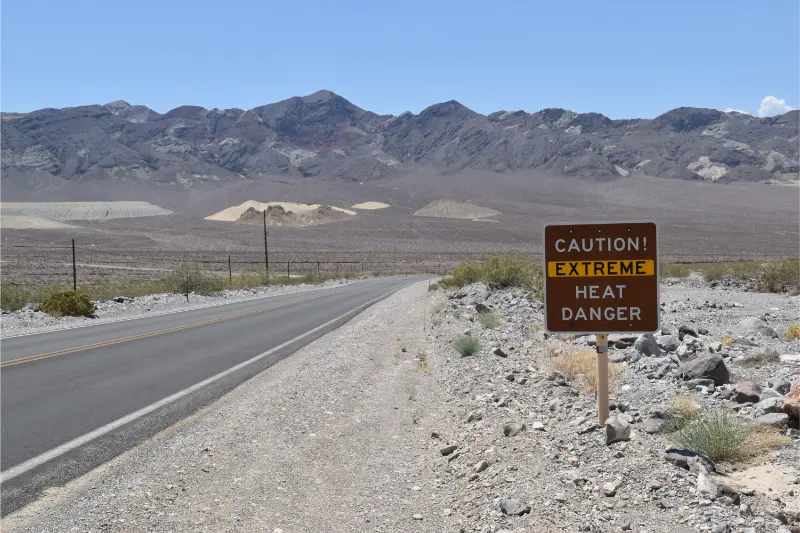
Death Valley in extreme heat is not the same trip as Death Valley in mild weather. If the forecast makes normal exploration unsafe, reroute. No itinerary is worth proving that you can tolerate dangerous conditions.
Keep the desert parks distinct
Death Valley and Joshua Tree are not interchangeable. Death Valley is about vast basins, geological extremes and long-distance viewpoints; Joshua Tree is more compact, higher in places and shaped by boulder landscapes and its namesake plants. Give each its own day rather than blending them into one generic ‘desert’ stop.
Getting there, parking and moving around
A rental car is the practical foundation of this route. Choose a vehicle that is comfortable for long distances but not unnecessarily large for mountain roads and city parking. Check tire condition before leaving the rental lot, and understand whether your agreement allows unpaved roads; many scenic desert roads are not appropriate for ordinary rental coverage.
Fuel strategy matters. Fill up before national-park days rather than waiting for the warning light. Sequoia and Kings Canyon note that there are no gas stations inside the national parks themselves, and Death Valley distances can be much longer than they look. Carry water in the car even when you are not hiking.
Download offline maps, but do not treat them as current-condition reports. Wildfire, snow, flooding, construction and seasonal gates can invalidate a route. Official park pages and Caltrans should be checked before every major transfer.
Families, older travelers and accessibility
A multi-park itinerary can be very good for older travelers because many iconic landscapes have scenic drives and accessible viewpoints. The challenge is cumulative fatigue. Reduce hotel changes where possible, choose lodging close to the next morning’s priority and schedule at least one low-driving afternoon every few days.
Families should build each park around one child-friendly anchor: a waterfall or meadow in Yosemite, giant trees in Sequoia, short viewpoint walks in Death Valley and boulder landscapes in Joshua Tree. Children do not need to complete adult hiking lists to have a meaningful national-park trip.
Travelers with mobility limitations should research specific accessible trails and viewpoints in each park rather than using general labels like ‘easy.’ Surface, slope, altitude and restroom access change from place to place.
Best time, weather and pacing
There is no single perfect month for all four destinations. Spring can bring strong waterfalls in Yosemite and comfortable desert weather, but snow can still affect high-elevation roads. Fall often offers cooler desert temperatures and fewer summer crowds, while Yosemite waterfalls may be weaker.
Summer requires a major Death Valley strategy or replacement because extreme heat limits safe outdoor activity. Winter requires snow and chain planning in the Sierra and may close high roads. A good national-park itinerary is seasonal by design, not a fixed template copied across twelve months.
Budget and practical trade-offs
Lodging is the largest variable. Staying inside or near Yosemite and Sequoia can cost more but save hours of driving. Desert lodging may be cheaper in some periods but rises on busy weekends. Compare the total of room, fuel and time rather than booking the cheapest pin on a map.
An America the Beautiful annual pass can make financial sense when visiting several fee-charging federal recreation sites; check the current pass price and eligibility rules before travel. Groceries and picnic lunches also control cost and prevent scenic days from being reorganized around finding restaurants.
Why the other California national parks are not in this 14-day core route
Redwood and Lassen are excellent, but they belong to a Northern California loop because adding them creates very long transfers. Pinnacles can be integrated into a Central Coast or Bay Area road trip, but it is not necessary if the route already has four major parks. Channel Islands requires boat logistics and deserves a weather-aware day rather than a rushed detour from Los Angeles.
If you have three weeks, build a second module instead of stretching the core route thin. One option is Redwood plus Lassen in Northern California. Another is a coast module with Pinnacles and Channel Islands. The modular approach keeps each park meaningful and gives you room for closures or weather changes.
Common mistakes to avoid
- Trying to visit all nine California national parks in 14 days.
- Using straight-line map distance instead of mountain and desert road times.
- Keeping Death Valley in the itinerary during unsafe extreme heat simply because hotels are booked.
- Changing hotels every night and losing the mornings to packing.
- Ignoring current road, wildfire, snow and flood information.
- Booking a flight too close to the final park departure with no delay buffer.
How to combine this with a wider California trip
Use the Yosemite first-time guide, Sequoia and Kings Canyon guide, Death Valley guide and Joshua Tree guide for detailed park plans. The 14-day California road trip is the better choice if national parks are only one part of a first California trip and you also want major cities and the coast.
For a longer park-focused trip, add the Redwood parks guide and Lassen Volcanic guide as a Northern California module, or combine Pinnacles guide and Channel Islands guide with a coastal extension.
Useful California for You guides
Read the Yosemite first-time guide, Sequoia and Kings Canyon guide, Death Valley guide, Joshua Tree guide, Redwood parks guide, Lassen Volcanic guide, Pinnacles guide, Channel Islands guide and the California road-trip budget guide.
Official planning resources
Check the official sources close to your travel date because hours, reservations, parking, road conditions and temporary closures can change.
- National Park Service — California parks
- Yosemite trip planning
- Sequoia & Kings Canyon trip planning
- Death Valley trip planning
- Joshua Tree trip planning
- Caltrans highway conditions
Final advice
A California national-parks road trip becomes memorable when each landscape has time to register. Four park systems in two weeks is not a compromise; it is a strong itinerary with room for weather, road conditions and actual enjoyment.
If you want to see all nine, give the trip substantially more time or split California into regional loops. The parks will still be there on the next journey, and returning is better than racing past them the first time.