
The best places to visit in California do not belong on one giant checklist. The state is too large, the landscapes are too different and the driving distances are too real. A great California trip comes from choosing places that fit together geographically and that offer different experiences—not from collecting the highest number of famous names.
This guide focuses on 20 destinations that can anchor a first or return trip. For each one, the important question is not only “Is it worth visiting?” but also who is it best for, how much time does it deserve, and what should you combine it with?
Quick comparison: which California destinations fit your trip?
| Destination | Best for | Suggested stay |
|---|---|---|
| San Francisco | City culture, food, neighborhoods, bay views | 3 nights |
| Yosemite | Iconic national-park scenery | 2–4 nights |
| Monterey & Carmel | Coast, aquarium, slow travel | 2 nights |
| Big Sur | Scenic driving and dramatic coastline | 1–2 nights |
| Santa Barbara | Walkable coast, food, relaxed city break | 2 nights |
| Los Angeles | Film, museums, beaches, diverse neighborhoods | 3–5 nights |
| Orange County / Anaheim | Theme parks and family travel | 2–4 nights |
| San Diego | Beaches, Balboa Park, family attractions | 3–4 nights |
| Joshua Tree | Desert landscapes and stargazing | 1–2 nights |
| Death Valley | Extreme desert scenery in the right season | 1–2 nights |
| Sequoia & Kings Canyon | Giant trees and Sierra scenery | 2 nights |
| Lake Tahoe | Mountains, lake activities, four-season travel | 2–4 nights |
| Redwood Coast | Ancient forests and wild northern coast | 2–4 nights |
| Napa & Sonoma | Wine, food and countryside | 2–3 nights |
| Sacramento & Gold Country | History, food and California heritage | 1–3 nights |
| Mendocino Coast | Quiet scenery and slow coastal travel | 2 nights |
| Palm Springs | Desert resort break and architecture | 2–3 nights |
| Channel Islands | Wildlife and boat-based nature day | 1–2 days |
| Eastern Sierra | Mountains, hot springs and scenic road trips | 2–4 nights |
| Santa Cruz | Beach culture, redwoods and family fun | 1–2 nights |
1. San Francisco
San Francisco is one of the best gateways to Northern California because the city itself is compact enough for a car-free stay and close to wine country, redwoods and the Central Coast. A first visit should go beyond Fisherman’s Wharf: spend time in neighborhoods such as North Beach, Chinatown and the Mission, use the waterfront and Golden Gate Park, and choose one major experience such as Alcatraz.
Three nights is ideal for most first-time visitors. The San Francisco first-time guide has a practical three-day plan and advice for handling the city’s hills.
2. Yosemite National Park
Yosemite deserves a place on a first California itinerary if dramatic mountain scenery is a priority. Yosemite Valley offers waterfalls, granite cliffs, meadows and iconic viewpoints without requiring advanced hiking. Seasonal roads open access to very different high-country landscapes at certain times of year.
Stay at least two nights and check current National Park Service conditions before travel. In 2026, an entrance reservation is not required simply to enter Yosemite, but other reservations and permits still apply. Policies can change, so use the official Yosemite page for your dates.
3. Monterey and Carmel-by-the-Sea
Monterey and Carmel form one of the most useful coastal bases in the state. Monterey offers the aquarium, Cannery Row and a working waterfront; Carmel adds a compact village, galleries, restaurants and access to scenic coastline.
Two nights lets you explore without rushing and creates a natural start or finish for Big Sur. Families, couples and older travelers can all adapt the area easily because long hikes are optional.
4. Big Sur
Big Sur is the dramatic section of coast many travelers imagine when they picture a California road trip: cliffs, ocean, redwoods and a highway squeezed between mountains and the Pacific. The landscape is the attraction, so the worst way to visit is to drive through under time pressure.
Check Caltrans conditions before every trip because Highway 1 can be affected by slides, fires, construction and temporary controls. The Highway 1 road-trip guide explains how to build overnight stops and alternatives.
5. Santa Barbara
Santa Barbara combines beach, a pleasant central area, Spanish-influenced architecture, food and wine-country access in a scale that is easier than Los Angeles. It is one of the best places to slow down on a north–south road trip.

Two nights is ideal if you want a relaxed waterfront morning and a full evening rather than using the city only as a sleeping stop.
6. Los Angeles
Los Angeles is not one experience. It is film history, museums, beaches, food neighborhoods, music, architecture and enormous geographic variety. The city works when you group days by area and choose a hotel close to the attractions that matter most.
Give it at least three nights. If a theme park is a major priority, add another day rather than squeezing the park into a sightseeing schedule. The Los Angeles first-time guide shows how to reduce unnecessary cross-city travel.
7. Orange County and Anaheim
Anaheim is the obvious California base for Disneyland Resort, while Orange County’s coastal communities add beaches, harbors and a different atmosphere from Los Angeles. Families can use Anaheim for theme-park days and then move toward the coast instead of commuting back and forth.
If Disney is the main reason for the trip, stay close to the resort. If the coast is equally important, consider splitting the stay rather than using one base for everything.
8. San Diego
San Diego combines beaches, Balboa Park, the zoo, La Jolla, Coronado and a relaxed waterfront. It is one of the easiest places in California to design for several generations because a day can mix a major attraction with low-pressure outdoor time.
Three nights is a strong first stay. Use the San Diego first-time guide to choose between a downtown, Mission Bay, La Jolla or Coronado base.
9. Joshua Tree National Park
Joshua Tree is a strong desert choice for rock formations, distinctive vegetation, sunsets and stargazing. It combines naturally with Palm Springs and can be reached from Southern California cities without building an enormous detour.
The comfortable season is generally fall through spring. The National Park Service states that advance reservations are not needed simply to enter Joshua Tree, although campground reservations and specific activities have separate rules. Check the official park page before travel.
10. Death Valley National Park
Death Valley is one of California’s most unusual landscapes, with salt flats, dunes, badlands, mountains and enormous elevation contrasts. It is also an environment where season matters more than sightseeing ambition.
Summer heat can be extreme; the National Park Service warns that temperatures can reach dangerous levels. For most visitors, late fall through early spring is the sensible period. Never build a summer itinerary around long desert hikes.
11. Sequoia and Kings Canyon National Parks
These parks protect giant sequoia groves, deep canyons and Sierra scenery. They are excellent for travelers who want monumental trees and mountain landscapes without focusing the entire trip on Yosemite.
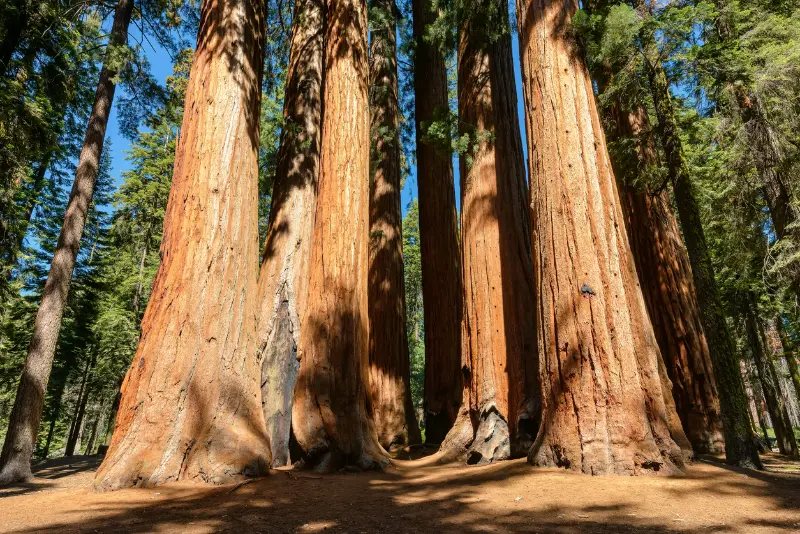
Two nights is a useful minimum. Roads and facilities are seasonal, particularly in higher and more remote areas, so check current NPS conditions rather than assuming the same access year-round.
12. Lake Tahoe
Lake Tahoe is a four-season mountain destination split between California and Nevada. Summer brings beaches, hiking and boating; winter brings ski resorts and snow sports. Spring and fall can be quieter but more variable in weather and services.
The lake is larger than many first-time visitors expect. Choose the north or south side according to your activities instead of circling the lake repeatedly.
13. Redwood National and State Parks
The far northern coast offers some of the tallest trees on Earth, quiet trails, beaches and a remote road-trip atmosphere. Redwood National and State Parks are managed across a network of federal and state areas rather than one compact entrance complex.
Give the region at least two full days if driving from the Bay Area. The official Redwood National and State Parks planning page provides current road, trail and visitor-center information.
14. Napa Valley and Sonoma County
Napa and Sonoma are famous for wine, but the regions also work for food, countryside, spas and slower travel. Sonoma is geographically broad and varied, while Napa offers a more concentrated valley route.
Plan transportation before wine tasting. A driver, tour, taxi or ride service lets everyone enjoy the day without turning driving into a risk. Two nights gives the trip a much calmer rhythm than a rushed day from San Francisco.
15. Sacramento and Gold Country
California’s capital is underrated in first itineraries. Sacramento offers the State Capitol area, museums, a strong farm-to-fork food scene and access to Gold Rush history. Nearby foothill towns add a different story of California beyond the coast and Hollywood.
This region is useful for repeat visitors, history-focused travelers and road trips between the Bay Area and the Sierra.
16. Mendocino Coast
Mendocino is for travelers who want rugged coastline, small towns, redwoods and a slower pace. It is less convenient than the Central Coast for a first north–south itinerary, which is exactly why it can feel more peaceful.
Use at least two nights because the coastal roads are slow. Combine the area with Sonoma, the redwoods or a Northern California loop rather than trying to include it as a quick detour from San Francisco.
17. Palm Springs and the Coachella Valley
Palm Springs works as a desert resort break with mid-century architecture, pools, mountain views, golf, restaurants and access to Joshua Tree. It is particularly attractive in cooler months when the desert climate supports outdoor sightseeing.
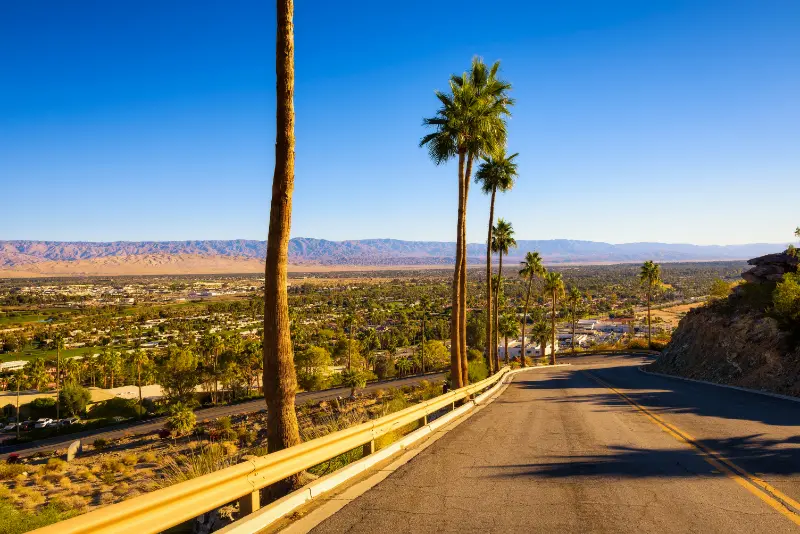
Two or three nights can balance an active California road trip. In summer, heat should shape the day and outdoor plans need to be conservative.
18. Channel Islands National Park
The Channel Islands offer one of California’s most distinctive nature experiences, with boat access, marine wildlife, hiking and a sense of isolation close to the Southern California coast. They are not a casual roadside stop: ferry schedules, sea conditions and activity planning matter.
Use Ventura or another nearby coast base and treat the island day as the main event. Travelers prone to motion sickness should consider sea conditions before booking.
19. Eastern Sierra and Mono Lake
The Eastern Sierra offers mountain scenery, high-desert landscapes, hot springs, small towns and access to places such as Mono Lake. It is a superb road-trip region when seasonal mountain passes are open and the route fits a wider Sierra itinerary.
Do not assume you can cross Yosemite via Tioga Road at any time of year. High-elevation roads are seasonal and their opening dates depend on snow and conditions.
20. Santa Cruz
Santa Cruz combines a classic beach-boardwalk atmosphere with nearby redwood forests and a relaxed Central Coast identity. It can be a fun family stop between San Francisco and Monterey or a weekend destination in its own right.
One night is enough for a taste; two nights gives you time for both the coast and nearby redwoods without rushing.
How to choose the right places for a 7-day trip
Pick one region. San Francisco + Monterey/Carmel works well in the north. Los Angeles + San Diego works well in the south. A nature-focused week could use Yosemite plus Sequoia/Kings Canyon, depending on season and access. Do not try to connect the whole state in a week.
How to choose the right places for a 10-day trip
A classic first itinerary can use San Francisco, Yosemite, the Central Coast and Los Angeles. The 10-day California road trip gives a realistic version. If San Diego is a priority, remove one other stop or extend the trip.
How to choose the right places for 14 days
Two weeks is enough for a north-to-south route with four or five bases: San Francisco, Yosemite, Monterey/Carmel or Big Sur, Los Angeles and San Diego. Alternatively, stay entirely in Northern California and add redwoods, wine country and Lake Tahoe.
Best places by traveler type
- First California trip: San Francisco, Yosemite, Central Coast, Los Angeles and San Diego.
- Families: San Diego, Anaheim, Monterey, San Francisco and easy national-park stops.
- Couples: Big Sur, Carmel, Santa Barbara, wine country, Mendocino and Palm Springs.
- Outdoor travelers: Yosemite, Sequoia/Kings Canyon, Eastern Sierra, redwoods, Tahoe and the desert parks.
- Older or slower-paced travelers: San Diego, Santa Barbara, Monterey, wine country and city stays with fewer hotel changes.
- Repeat visitors: Mendocino, Gold Country, Eastern Sierra, Channel Islands and deeper neighborhood-based city trips.
The planning mistake that turns the best places into a bad trip
The most common mistake is assuming that adding another famous destination automatically improves the itinerary. In California, every extra stop has a cost: packing, driving, parking, check-in, orientation and lost flexibility. A place can be excellent and still be the wrong addition to your particular route.
Start with the California travel guide for first-time visitors, choose the season with the best-time-to-visit California guide, and then select the destinations that fit the same geography. The result will contain fewer pins on the map—and far more actual travel.