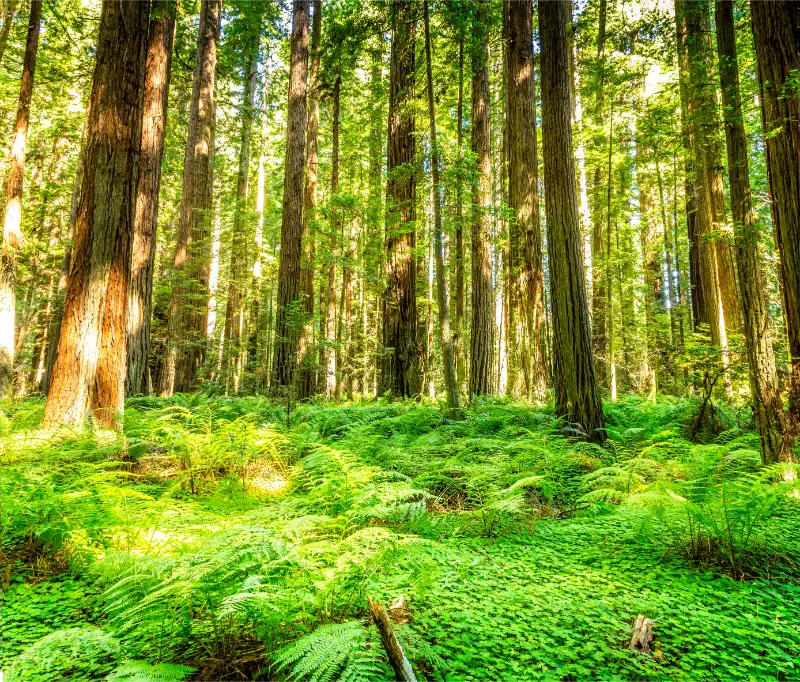
Crescent City sits at California’s far northwestern edge, where the redwood forest reaches the Pacific and the trip begins to feel very different from the rest of the state. It is not a polished resort town, and that is part of its value. The city works as a practical base for Jedediah Smith Redwoods State Park, coastal viewpoints, harbor walks and the northern section of Redwood National and State Parks, with shorter drives than you would face by staying farther south.
A first visit should not be planned as a race down every redwood road. The better structure is two nights with one forest-focused day and one coast-and-town day. Road conditions, seasonal closures and permit requirements can change around the wider parks, so Crescent City is especially useful when you want a base with groceries, fuel and services while keeping the exact outdoor plan flexible.
Quick planning snapshot
| Decision | Practical answer |
|---|---|
| Ideal stay | 2 nights; 3 if you want a full Smith River day or slower redwood hikes. |
| Best for | Travelers prioritizing Jedediah Smith redwoods, northern coast scenery and a quieter base. |
| Car needed? | Yes for the redwood groves and most coastal viewpoints. |
| Big planning risk | Assuming every unpaved scenic road is suitable for your rental car or open after storms. |
Why Crescent City is a useful redwood base
The most compelling reason to stay here is Jedediah Smith. The redwoods north and east of town can feel wilder and less structured than a single famous grove, and the Smith River adds a different landscape to the trip. Crescent City lets you reach that environment without a long commute from Eureka or Arcata.
The coast matters too. Battery Point, the harbor, beaches and the abrupt meeting of forest and ocean make the area more than a redwood stop. Weather can switch quickly between mist, wind, sun and rain, so having both forest and coastal options close to lodging gives you useful flexibility.
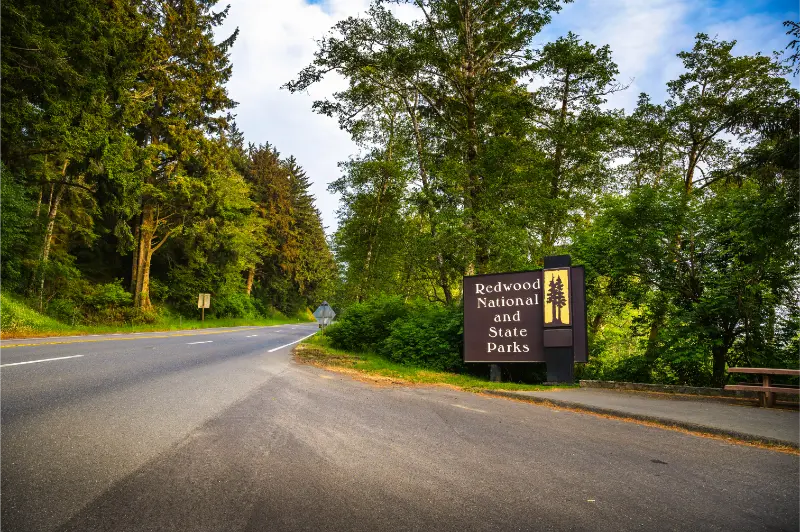
A realistic 2-day Crescent City plan
Day 1: Jedediah Smith redwoods and the Smith River
Start with the redwoods while attention and daylight are strong. Choose a trail that matches the least mobile person in your group rather than selecting a route only because it is famous. Grove access roads can be narrow, rough or seasonally affected; check current National Park Service conditions before committing to a scenic drive.
After the forest, add a Smith River stop if conditions are appropriate. In warm months, the clear water can look inviting, but river safety deserves the same respect as ocean safety. End the day in Crescent City with an early dinner and a simple harbor or beach walk rather than another long drive.
Day 2: coast, Battery Point and a flexible southern loop
Use the tide and weather to shape the morning. Battery Point Lighthouse access depends on safe low-tide conditions, so treat it as a conditional experience, not a guaranteed appointment. Even when you do not walk out, the shoreline and harbor area are worth time.
For the afternoon, either stay local or drive south toward additional Redwood National and State Parks sites. Do not automatically target Fern Canyon unless you have confirmed the current access and permit rules for your date. A quieter coastal overlook or short redwood walk can be a better final experience than spending hours chasing a single famous location.
Where to stay and why location matters
Stay in Crescent City when the northern redwoods are the priority. Lodging is generally practical rather than resort-oriented, which can be an advantage for road trippers who value parking, early departures and access to groceries.
If you want restaurants, arts and a larger town atmosphere, Eureka/Arcata may suit you better for the southern part of the redwood region. Many travelers benefit from splitting the coast: two nights around Crescent City and two around Eureka rather than driving the same highway segments repeatedly.
Getting there and getting around
Highway 101 is the backbone of the trip, but side roads into redwood country can be narrow and slow. Download offline maps because forest coverage can be inconsistent. Keep the fuel tank above half when you head into long park days; you will make better decisions when you are not also looking for a gas station.
If your rental agreement restricts unpaved roads, respect it. Some scenic roads that appear on travel blogs may not be appropriate for all vehicles or conditions. The official park road-status page should have more authority than an itinerary written during a dry summer years ago.
Best time to visit
Summer generally offers the easiest road access and longest daylight but still brings fog and cool coastal temperatures. Winter is dramatic and green but storms can affect roads, trails and beach safety. Spring and autumn can offer a good balance, though rain remains part of the North Coast climate.
Wildfire impacts in the far North Coast can differ from inland California, but smoke can still travel. Check both weather and air quality if conditions are active elsewhere in the region.
Families: what changes when children are part of the trip
Children often respond better to a mix of environments than to three consecutive long redwood hikes. Pair one memorable grove with river stones, a beach stop, harbor wildlife or a short lighthouse walk when tides allow. Keep waterproof shoes and spare socks in the car. The practical goal is to let children touch, smell and explore the forest, not to make them complete an adult mileage target.
Older travelers and limited mobility
The redwood parks include a range of accessible viewpoints and trails, but access varies by site and recent weather. Coastal paths may be uneven, and tide-dependent locations can be unsuitable for visitors with limited mobility. Review the National Park Service accessibility and current-conditions pages, then choose one or two confirmed accessible experiences rather than assuming every famous grove has the same infrastructure.
Budget and time: where visitors usually miscalculate
Crescent City can be more affordable than California’s famous resort areas, but distance creates its own cost. Fuel, one-way rental fees and extra nights matter. The biggest false economy is staying far away to save on lodging and then spending hours driving back to the northern groves. Pay attention to total trip time, not just the nightly rate.
Mistakes I would avoid
- Trying to cover the entire Redwood National and State Parks region from one hotel.
- Driving rough scenic roads without checking current conditions or rental restrictions.
- Planning Battery Point without looking at tides.
- Packing only for summer because the trip is in July or August.
- Treating Fern Canyon or another permit-sensitive site as guaranteed without checking current rules.
The North Coast works best when you keep one day flexible. Fog can improve a forest walk, rain can make an exposed beach unpleasant, and a road closure can redirect the route. Crescent City gives you enough nearby alternatives that a changed plan does not have to become a lost day.
How to combine this stop with a longer California trip
For a dedicated redwood trip, continue south to Prairie Creek, Trinidad, Eureka and the Avenue of the Giants. For a broader road trip, Crescent City also connects naturally north into the Oregon Coast. Distances are larger than they look, so avoid planning Crescent City to San Francisco as a sightseeing day with multiple major stops.
Useful California for You guides
For the wider route, I would also use our Redwood National and State Parks guide, our Eureka and Humboldt Bay guide, our Avenue of the Giants road trip.
Official information to check before you go
Road, trail and permit conditions change frequently in the redwood parks. Check official park updates close to departure.
Questions first-time visitors usually ask
Is Crescent City or Eureka better for the redwoods?
Crescent City is better for Jedediah Smith and the far northern parks; Eureka is better for the central/southern redwood corridor and a larger urban base. A split stay is often best.
How many nights do I need?
Two nights give you one strong redwood day and one coast/mixed day. Add a third if you want slower hikes or a Smith River focus.
Can I do Crescent City as a day trip from San Francisco?
No, not sensibly. The driving distance is far too long for a meaningful day trip.
Final advice
Stay in Crescent City because it shortens the distance to the northern redwoods, then use that saved driving time to slow down. Pick one memorable forest experience, one coastal experience and one flexible backup. The far North Coast rewards travelers who leave room for weather and road conditions instead of trying to control them.
Practical planning details that are easy to overlook
Before leaving for Crescent City, California, save the exact addresses of your priority stops, download an offline map, check weather at the destination rather than at the nearest large city, and confirm any reservation or closure notice on the official site. California’s microclimates and mountain or coastal roads can make a short distance behave like a much longer trip. A good plan includes one backup activity that does not depend on perfect weather, a long trail or a specific parking lot.
I also recommend deciding in advance what you will skip if the day runs late. That single decision prevents the common road-trip pattern of turning a pleasant afternoon into a stressful evening drive. Families should protect meal and restroom windows; older travelers may need more time between the car and each attraction; everyone benefits from avoiding an itinerary in which every stop is fixed to the minute.
For accommodation, compare location using driving time at the hour you expect to travel, not just mileage. A cheaper room on the wrong side of a congested city, a winding mountain road or a remote coastline can cost more in fuel and vacation time than it saves. The same principle applies to parking: when a destination has limited access, paying for a legal reserved option is usually better than spending an hour searching for a free space that may not exist.