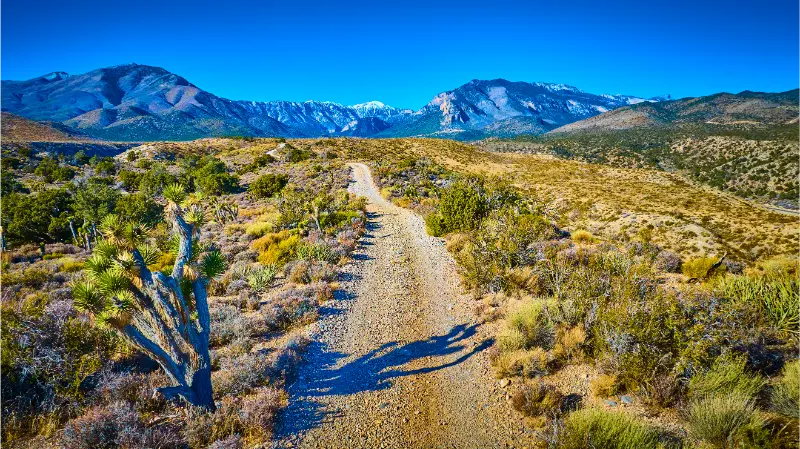
Joshua Tree National Park can be a wonderful family destination because children do not need to complete a long hike to feel that they have entered a different world. Giant boulders, twisted Joshua trees, open desert views and short nature trails create frequent rewards. The challenge is that shade is limited, distances are larger than they look and the desert becomes unforgiving when adults underestimate heat or water needs.
For park orientation, entrance choices and a general route, read our Joshua Tree first-time guide. This article focuses on how to adjust the experience for babies, school-age children and teenagers.
What age is best for Joshua Tree?
There is no single best age. Toddlers can enjoy short stops and sand/rock textures, but need constant supervision around drops and cactus. School-age children are ideal for the Junior Ranger program and short trails. Teenagers often enjoy photography, scrambling and stargazing if the day includes some independence rather than constant interpretation.
The park is less stroller-friendly than a city attraction. A baby carrier is often more practical on natural surfaces, while paved or firm viewpoints can still work with a stroller.
Use the Junior Ranger program
Joshua Tree offers an in-person Junior Ranger program, with booklets available at visitor centers and entrance stations. Children complete activities while exploring and can earn a badge. The program turns stops into observation tasks rather than another adult-selected viewpoint.
Anyone can participate, although the activities are primarily designed for young visitors. Pick up the booklet near the beginning of the trip, not on the way out. See the official Joshua Tree Junior Ranger information for current details.
Best easy family stops
Hidden Valley is a strong introduction because the rock formations are immediate and the loop feels adventurous without requiring a full hiking day. Cap Rock provides a shorter nature-trail experience. Skull Rock is visually fun but can be busy because it sits close to the road. Keys View offers a broad panorama when conditions are clear.
Do not judge a stop only by trail mileage. Children may spend 30 minutes investigating one safe boulder area and then lose interest in a longer trail. Build slack into the day.
Rock scrambling: fun with limits
Boulders are part of Joshua Tree’s appeal, but casual scrambling can become risky quickly. Establish family rules before children start climbing: stay within sight, do not climb above a height where a fall would cause serious injury, and avoid jumping between rocks. Granite can be rough enough to cause significant scrapes even on a low fall.
Serious climbing requires equipment and expertise. The fact that other visitors are high on a formation does not make the route appropriate for a family.
Heat changes everything
In hot weather, family hiking should move to early morning and late afternoon. Midday can be used for visitor centers, lunch, driving or rest outside the park. Babies and young children cannot regulate heat as effectively as healthy adults and may not communicate dehydration clearly.
Carry more water than you think you need and make children drink regularly. Do not rely on finding water at every trailhead. Sun hats, sunscreen and light protective clothing matter even in cooler months because desert sun is intense.
A realistic two-day family plan
Day 1: visitor center and Junior Ranger booklet, Hidden Valley, Cap Rock, lunch/rest, Keys View near late afternoon and an early finish. Day 2: Skull Rock area early, a short nature walk, drive into Pinto Basin for changing desert scenery, then rest before optional stargazing.
Families with toddlers may only need one park day plus a relaxed second morning. Families with older children who hike comfortably can add Barker Dam or another moderate route when conditions are suitable.
Where to stay with children
Joshua Tree village, Twentynine Palms and Yucca Valley each have different lodging patterns. Choose based on your intended entrance and access to food, not just the most photogenic vacation rental. A kitchen can be useful for breakfast and packed lunches, but a remote property may add driving after a long park day.
With babies and toddlers, reliable climate control and a quiet nap environment are worth prioritizing over desert-style décor.
Food and bathroom strategy
Bring lunch, snacks and enough water into the park. Food options inside the park are extremely limited compared with a city attraction. Use toilets when you encounter them rather than assuming the next stop has facilities.
Pack out trash and keep food secured. Ravens and other wildlife learn from human food quickly. Do not encourage children to feed animals, even when a squirrel appears harmless.
Joshua Tree with a baby or toddler
Plan shorter blocks: 45–90 minutes outside, then vehicle/rest time depending on temperature. Use a carrier for uneven trails and keep hands away from cactus and sharp yucca leaves. A shaded picnic can work in mild weather, but there is little natural shade at many iconic stops.
If your wider trip includes multiple family destinations, our California with a baby or toddler guide covers car seats, pacing and hotel choices.
Joshua Tree with teenagers
Give teenagers a role: navigation, photography, choosing one trail or planning the stargazing stop. The park becomes more engaging when they are not simply following adults between viewpoints. Longer walks can work well in cooler seasons, but use official route information and avoid improvised cross-country shortcuts.
Night-sky photography can be especially motivating. Bring warm layers because desert temperatures can drop quickly after sunset.
Stargazing with kids
Joshua Tree designates several stargazing areas and recommends the darker Pinto Basin region. For families, choose a safe parking area where you do not need to walk far in darkness. Use red lights, keep children close and never stand in a roadway.
A 30-minute night-sky session may be enough for young children. Do not sacrifice the next morning’s mood for a midnight astronomy marathon unless your kids genuinely want it.
Common family mistakes
The biggest mistake is arriving at noon in hot weather and starting a hike immediately. Others include bringing too little water, assuming cellular service will guide every turn, allowing uncontrolled rock scrambling, and trying to visit every named attraction in one day.
Another mistake is scheduling Joshua Tree after several intense theme-park days without rest. The desert is physically simple but sensory and climatic differences can be tiring.
Final advice
Joshua Tree works with children because the landscape does much of the entertainment. Keep walks short, let safe rock exploration take time, use the Junior Ranger program and organize the day around temperature rather than adult ambition. A family that sees six places slowly will usually remember more than one that races through fifteen stops.
School-age learning without turning the trip into homework
Joshua Tree naturally teaches geology, desert ecology and adaptation. Ask children to find evidence of how plants conserve water, compare two rock shapes or watch how shade changes temperature. The goal is curiosity rather than a lecture at every stop.
A simple notebook or phone photo challenge can work well: one plant, one animal sign, one rock formation and one night-sky observation. This gives the day structure while leaving plenty of time for play.
One last planning check
Before traveling, reopen the official pages for the places in this guide and verify hours, reservations, road conditions and weather. California conditions change by season, construction and natural events, and a saved itinerary should be treated as a framework rather than a contract. Build at least one flexible block into the day so a closure or delayed meal does not force you to abandon the rest of the plan.
Also confirm where you will park or how you will return to your hotel after dark. Small logistical decisions often determine whether Joshua Tree with Kids feels easy or stressful, especially for families, older travelers and anyone visiting California for the first time.
How to make the day easier
Start with the one experience you would be most disappointed to miss and place it in the best part of the day for weather, crowds or reservations. Treat everything else as adjustable. Keep water, a light layer, a portable battery and an offline map available, and avoid storing luggage in a visible part of a parked car. If you are traveling with children or older relatives, schedule a real seated break before anyone asks for one; waiting until the group is tired usually turns a small delay into a difficult afternoon.
Finally, resist the urge to add a distant attraction simply because the map shows it within driving range. California traffic, parking and scenic-road delays make geographic distance a poor measure of effort. A shorter day with time to look around, eat properly and adapt to conditions usually produces a better trip than collecting one more stop.
Budget and timing buffer
Keep a modest buffer in both time and money. Parking, food, entrance charges, fuel and last-minute transport can cost more than expected, while a busy queue or road delay can remove an hour from the plan. Decide in advance which stop is optional so you know what to drop without debate. This is especially useful on weekends, holidays and school-break periods when visitor patterns can change quickly.
Download reservation confirmations and key addresses before leaving reliable Wi-Fi. If your day depends on a timed entry, ferry, tour or sunset arrival, work backward from that commitment and keep the previous part of the itinerary nearby. The most comfortable California travel days usually have one fixed anchor and several flexible pieces around it.