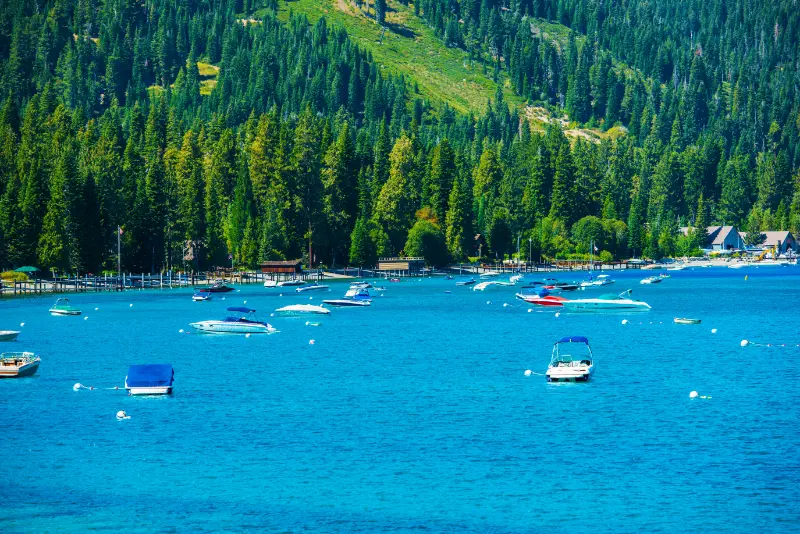
Fall is Lake Tahoe’s underrated season. Summer crowds fade, ski season has not fully begun, and the basin shifts into crisp mornings, golden aspens and quieter trails. The trade-off is that seasonal services begin closing and mountain weather becomes less predictable.
If you already know Tahoe in July or January, autumn feels like a different lake. Use the general Lake Tahoe guide for geography, then plan fall around daylight, color, facility closing dates and the possibility of an early storm.
Quick planning summary
| Best for | Fall color, photography and quiet hiking |
|---|---|
| Best base | South Lake Tahoe for first timers |
| Time needed | 3 nights |
| Color window | Usually late September through October, varying by year |
| Key rule | Treat late fall like a mountain trip, not extended summer |
What makes this stop different
Tahoe’s fall color is not an endless forest canopy. The beauty comes from contrast: pockets of bright aspen and willow against evergreen slopes, granite and blue water. That makes the best experience a scenic drive plus short walks rather than one famous viewpoint.
The quieter calendar is another advantage. Beaches feel spacious, restaurant waits can drop and popular trails are less pressured. For travelers who value atmosphere more than swimming temperature, fall may be better than midsummer.
A realistic itinerary
Day 1 — South Shore and Taylor Creek
Use Taylor Creek and the southwest shore as the first-day anchor while facilities remain open for the season. The easy Rainbow Trail area is useful for mixed-ability groups and can combine foliage with wildlife observation.
Continue with a lakeside viewpoint or Tallac-area walk and finish before dark. Shorter fall days arrive quickly behind the mountains.
Day 2 — scenic drive and one real hike
Choose either west/north shore or an east-shore route depending on current color. Do not circle the entire lake just to say you did; a full loop consumes hours that could be spent outside.
Pick one moderate hike with a low-risk weather profile. Carry layers and turn around early if clouds build or temperatures fall sharply.
Day 3 — north shore, Truckee or weather Plan B
Use the final day for Tahoe City, Kings Beach, Truckee or another short nature stop. If an early storm arrives, shift toward town activities and lower-elevation walks.
Fall is a season when Plan B can become the better day. Build that flexibility into the trip rather than treating weather change as failure.
Getting there and getting around
Road access is usually straightforward in early fall, but snow can arrive before winter on the calendar. By late October or November, carry chains when required and monitor Caltrans/NDOT conditions.
Seasonal shuttles, visitor centers, boat services and beach facilities reduce hours or close. Taylor Creek, for example, transitions to limited fall hours before seasonal closure. Check the exact date rather than using a generic fall service list.
Best time to visit
Late September and October are the main color period, but peak timing varies each year and by elevation. Wind can strip leaves quickly, so local reports are a planning aid rather than a promise.
November feels more like pre-winter than classic autumn. Days are short, many seasonal services are closed and storms become more plausible. It can be beautiful, but the trip needs winter-driving awareness.
Where to stay
South Lake Tahoe is easiest for a first fall visit because lodging, dining and access to Taylor Creek remain concentrated. The where to stay guide compares all main bases.
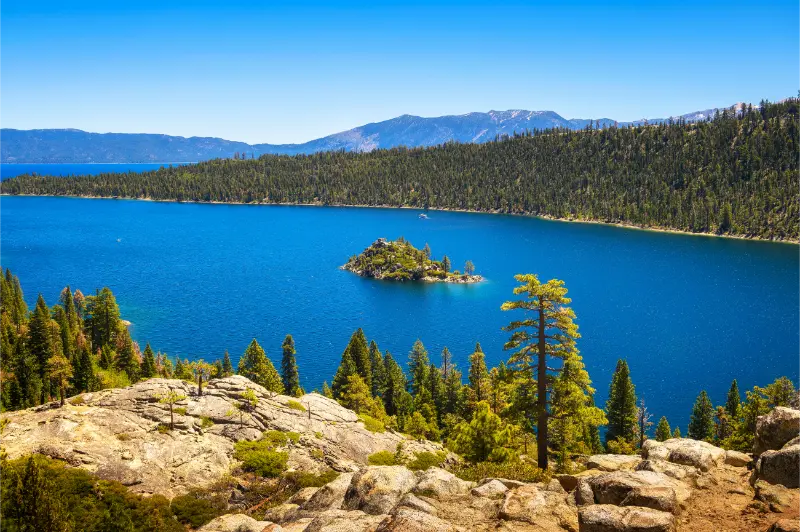
Tahoe City or Truckee can be better for north-shore color and a quieter mountain-town feel. Avoid switching hotels merely to chase foliage; one base with two driving directions is simpler.
How I would plan it for different travelers
Photographers should plan around changing light rather than a rigid attraction list. A clear morning after a cold night may be more valuable than the viewpoint that appeared highest on a ranking.
Hikers should choose routes with an easy retreat if weather changes. Shoulder season is not the time to discover that the final miles are exposed after dark.
Couples and senior travelers often benefit most from fall because the pace can be slower: one drive, one walk, a long meal and a quiet lakefront evening are enough.
Families, seniors and accessibility
Fall can be excellent for seniors because heat and peak crowds are reduced, but cold mornings and slippery leaves affect footing. Choose paved or well-maintained paths around Taylor Creek and developed lakefronts when mobility is limited.
Families should bring layers for everyone and avoid promising snow play unless snow has actually arrived. Children may enjoy the salmon/wildlife story at Taylor Creek as much as the foliage itself.
How to think about the budget
Shoulder-season lodging can be better value than summer or ski weekends, although event and color weekends can still raise rates. Scenic drives, easy walks and lakefront stops keep other costs modest.
Do not choose a nonrefundable bargain far from the shore you plan to explore. Saving on the room can be lost in fuel and driving time when daylight is short.
What to reserve and what to keep flexible
Reserve lodging first for color weekends, then keep most outdoor activities flexible. Restaurants and visitor services may operate on reduced schedules, so verify anything that matters before building the day around it.
Do not reserve multiple water activities in late fall without confirming operations. Some summer services close well before snow sports begin.
Mistakes I would avoid
- Expecting one exact peak-color date. Elevation and weather shift timing.
- Planning a full lake loop every day. Focus on one shore.
- Assuming summer services are still open. Hours shrink.
- Ignoring early snow. Late fall can require winter precautions.
- Starting long hikes late. Darkness arrives early.
- Packing only for afternoon temperatures. Mornings and evenings are colder.
The subtle mistake is reproducing a summer Tahoe itinerary with cooler weather. Fall deserves different priorities: shorter hikes, color, wildlife and town time rather than beach and boating marathons.
Weather, closures and Plan B
If an early storm arrives, shift to town time, lower-elevation walks and scenic stops that do not require a high trailhead. Keep the same hotel and let the weather simplify the day.
If color is weak on one side of the lake, do not spend the whole day chasing reports. Choose one alternative area and accept that foliage is a bonus, not the only reason Tahoe is worth visiting.
How to combine this with a larger California trip
Truckee adds a strong mountain-town contrast. If arriving from the Bay Area, the San Francisco to Lake Tahoe road trip helps choose I-80 versus US-50.
If you are comparing seasons, use Lake Tahoe in summer and Lake Tahoe in winter to decide whether autumn’s quieter pace matches your priorities.
Practical planning notes before you leave
Check current fall information from Visit Lake Tahoe and road conditions before departure. Taylor Creek and other seasonal facilities change hours during autumn, while early snow can affect mountain roads before ski season begins.
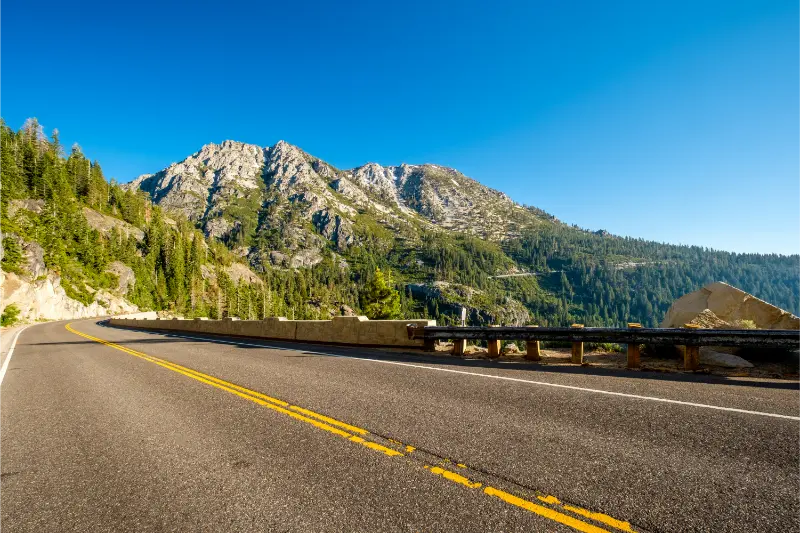
Download the map or key directions before you leave reliable service, carry water and a light layer, and allow more time than the fastest route shown by a mapping app. California travel routinely involves parking searches, restroom stops, weather checks, road work and slower scenic roads. A thirty-minute margin often adds more value than one extra stop.
I also keep one Plan B that uses the same overnight base. A closure, smoke, wind, a sold-out time slot or a tired child should change the day, not force you to rebuild the entire trip. The strongest itineraries have structure where capacity is limited and freedom where conditions are variable.
Frequently asked questions
When is fall color best?
Late September through October is the main window, but exact peak varies by elevation, temperature and wind.
Can it snow in fall?
Yes. Early-season storms can arrive before winter, especially later in October and November.
Is Tahoe quiet in fall?
Generally quieter than summer and ski periods, although weekends and events can still be busy.
Is fall good for families?
Yes, especially for easy walks, wildlife, scenic drives and town time. Bring layers and keep hikes shorter as daylight decreases.
My final planning rule
Use fall to see a quieter Tahoe, not to squeeze in the final version of a summer vacation. Follow color and weather loosely, keep one flexible day, and let shorter light and cooler air set the pace.
A simple decision framework for this trip
Before locking the itinerary, rank four priorities: scenery, active outdoor time, food or culture, and comfort. Protect the top two. If scenery is first, schedule the strongest viewpoint or grove when light and energy are best. If comfort is first, shorten the drive and choose the closest practical base. If family time is first, reduce the number of transitions between car, parking area and attraction. That simple exercise prevents a destination from becoming a collection of errands.
Reserve limited-capacity pieces first—lodging, timed tours, ferries, studio tours or parking when a destination recommends it. Leave flexible walks, viewpoints and casual meals unbooked when possible. That combination gives the day enough structure to be reliable without making it fragile.
One more planning layer that is easy to overlook
The shoulder season also changes meal planning. A favorite seasonal café may close midweek or shorten hours, so identify at least one reliable dinner option near the hotel before spending the afternoon on a remote shore.
For fall photography, avoid blocking narrow shoulders or stopping in travel lanes when color appears unexpectedly. Use established pullouts and trailheads; the basin’s roads remain active transportation corridors even when traffic is lighter.
Finally, if you are coming from a warm California coast, keep winter-driving equipment and clothing in the car even when Tahoe’s forecast is mild. Mountain conditions can change faster than your packing expectations.