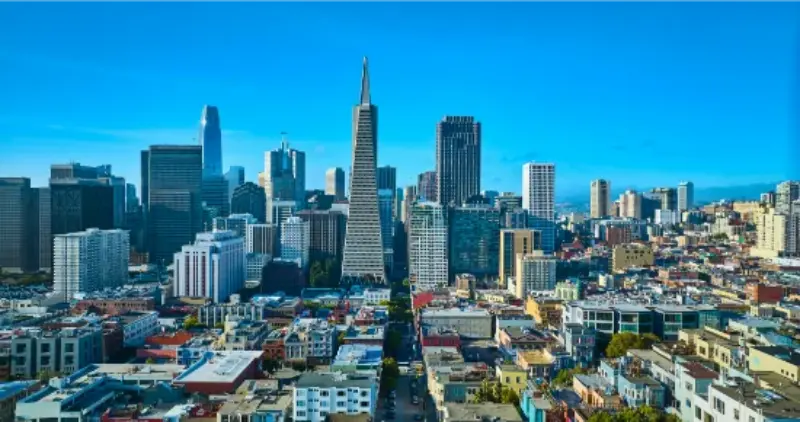
Driving from Los Angeles to San Francisco is not one road trip. It is three very different trips depending on whether you choose Highway 1, US-101 or I-5. The best route is not automatically the most scenic. It depends on how many days you have, whether Big Sur is open through, how much driving your group tolerates and whether the coast is the purpose of the trip or simply the connection between two cities.
If you choose the route before booking the intermediate hotels, the rest of the plan becomes much easier.
The short answer: which route should you choose?
Choose Highway 1 if the coast is one of the main reasons you are traveling and you have at least two nights between Los Angeles and San Francisco. Choose US-101 if you want a faster route that can still include Santa Barbara, the Central Coast and wine-country-style towns. Choose I-5 if you primarily need to move between the cities and want the most direct practical route.
Do not choose Highway 1 because it looks only a little longer on a map. Scenic stops, slower road geometry and possible traffic controls change the real travel time dramatically.
Route 1: Highway 1—the trip, not the shortcut
A proper Highway 1 trip should include time for Santa Barbara, San Luis Obispo County, Cambria/San Simeon, Big Sur and Monterey/Carmel. Trying to drive from Los Angeles to San Francisco in one day via the full coast defeats the point and can become unsafe after dark.
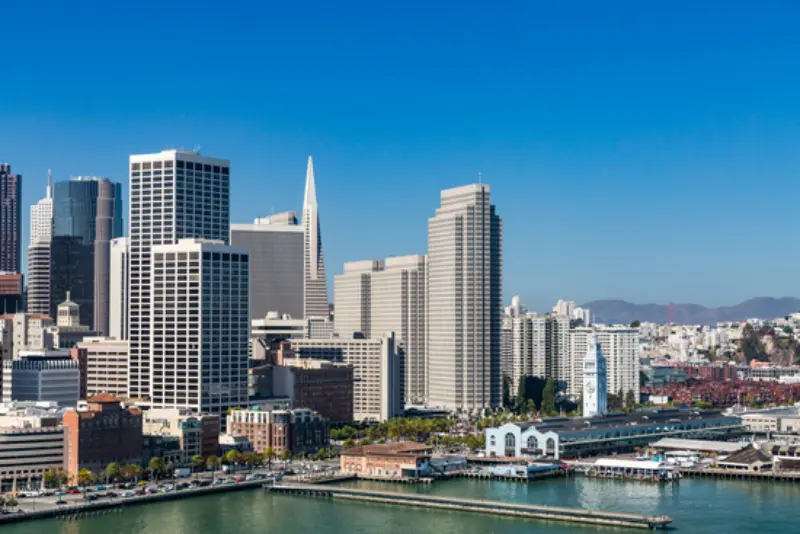
Start with our Highway 1 guide and Central Coast itinerary if this route is the centerpiece of the vacation.
How many nights for Highway 1?
Two nights is the minimum I would use for a satisfying first trip; three or four is better if you want beaches, Hearst Castle, Big Sur walks or relaxed meals. A common two-night structure is Santa Barbara or San Luis Obispo County, then Monterey/Carmel after a Big Sur day.
If you already have several nights in Santa Barbara or Monterey elsewhere in the itinerary, you can redistribute the overnight stops accordingly.
Highway 1 road status can change
The Big Sur section is vulnerable to landslides, wildfire operations and repair work. Before driving, use Caltrans QuickMap and current District 5 information. Do not assume a route saved months ago remains open through.
If Highway 1 is closed in the middle, US-101 is not a failure. It is the correct alternate corridor, and you can still visit accessible portions of the coast from the north or south.
Route 2: US-101—the flexible middle ground
US-101 is faster than the full coastal route but still keeps you closer to Santa Barbara, the Santa Ynez Valley, San Luis Obispo, Paso Robles and the Salinas Valley. It is a good choice when you have one overnight stop and want the drive itself to have some interest without dedicating multiple days to Big Sur.
You can leave US-101 for a coastal detour and return later, but calculate the time before adding several detours to the same day.
A good US-101 one-night plan
Leave Los Angeles early, spend part of the day around Santa Barbara or the Santa Ynez Valley, then sleep near San Luis Obispo or Paso Robles. The next day, continue north with an optional Monterey stop if your San Francisco arrival does not need to be early.
This route is especially useful when Highway 1 conditions are uncertain but you still want a Central Coast flavor.
Route 3: I-5—the transfer route
I-5 is the practical choice when time matters more than scenery. It crosses the Central Valley and is usually the simplest all-road connection. That does not mean it is pleasant in every condition: heat, wind, traffic and long stretches of freeway can be tiring.
Use I-5 when the trip’s highlights are Los Angeles and San Francisco, not when you hope to experience the California coast between them.
Should you stop overnight on I-5?
Many travelers can drive the route in one day, but whether they should depends on arrival time, jet lag, children and who is driving. A late landing in Los Angeles followed by an immediate long drive is a poor way to save a hotel night.
If you split the route, choose the stop for sleep and convenience rather than trying to turn a freeway transfer into a sightseeing itinerary.
Northbound or southbound on Highway 1?
Southbound driving places the ocean on the passenger side and makes many coastal pullouts easier, which is why travelers often prefer San Francisco to Los Angeles for the scenic direction. Northbound is still beautiful and may fit your flights better. Direction matters less than having enough time and legal places to stop.
Never cross traffic abruptly for a viewpoint. Continue to a safe pullout instead.
Where Big Sur fits
If Big Sur is a priority, protect a full day for it rather than squeezing it between a morning departure and a city check-in. Our Big Sur two-day guide shows how much there is to do when the area becomes a destination rather than a roadside photo.
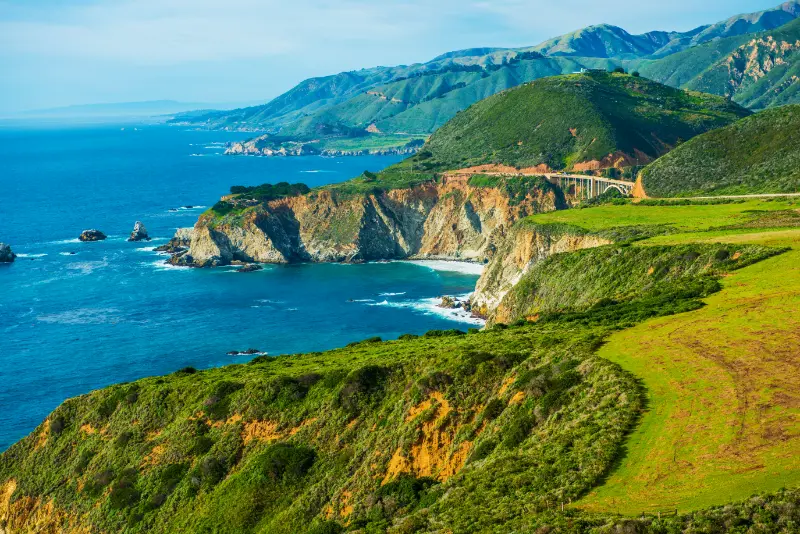
For a shorter pass-through, choose only a few stops such as Bixby Creek Bridge, a forest walk and one southern viewpoint.
17-Mile Drive and Carmel
Monterey and Carmel can easily consume half a day. If you add 17-Mile Drive, Point Lobos and Carmel village to the same day as a long Big Sur drive, the itinerary becomes overloaded. Decide which experience is the anchor.
A Monterey/Carmel overnight solves this problem and lets you enter San Francisco the next day without rushing the coast at sunset.
Families and mixed-age groups
With children, the fastest route is not always the easiest. Highway 1 offers frequent interesting stops but also winding roads that can cause motion sickness. US-101 offers a better balance of breaks and progress. Seniors may prefer fewer one-night hotel changes and more predictable driving.
If anyone is sensitive to winding roads, plan medication or seating as medically appropriate and avoid reading while moving through Big Sur.
What I would choose by trip length
With one day, I-5 is the sensible transfer and US-101 is possible if the timing works. With two days, US-101 with a Central Coast overnight is strong. With three days, Highway 1 becomes genuinely worthwhile if open. With four or more days, build a real Central Coast itinerary and stop measuring the route only by the distance between Los Angeles and San Francisco.
The coast deserves time because the value comes from stopping.
Common mistakes
The biggest errors are driving Highway 1 at night to save time, booking non-refundable Big Sur lodging without checking route risk, putting Hearst Castle, Big Sur, Monterey and San Francisco into one day, and assuming the fastest route on a navigation app is the best travel experience.
Choose the road that matches the purpose of the trip. That one decision prevents most of the itinerary problems on this famous California drive.
Airport strategy
If you are flying into one city and out of the other, compare open-jaw airfare plus the one-way rental fee with a round trip and return drive. The open-jaw option often protects a full day of vacation even when the airfare is slightly higher.
Our California airport guide helps compare the main gateways before you lock the road-trip direction.
Booking and confirmation checklist
Before travel, reopen the official pages for every time-sensitive element in this guide: road conditions, reservations, operating days, weather and seasonal closures. Save confirmations offline and keep the address or entrance name you actually need rather than relying on a generic destination pin.
Keep one activity each day optional. If traffic, weather or a closure removes an hour, dropping one lower-priority stop is better than pushing every meal and arrival later.
Accessibility and mixed-mobility groups
If anyone in the group uses a wheelchair, walker, stroller or simply needs shorter walking distances, verify the exact parking area, surface and restroom access for the stops you plan to use. ‘Accessible destination’ does not mean every trail or beach access is accessible.
Mixed-age groups usually travel better when the day includes one shared anchor and optional shorter activities around it. A flexible plan lets one person rest without forcing the entire group to abandon the day.