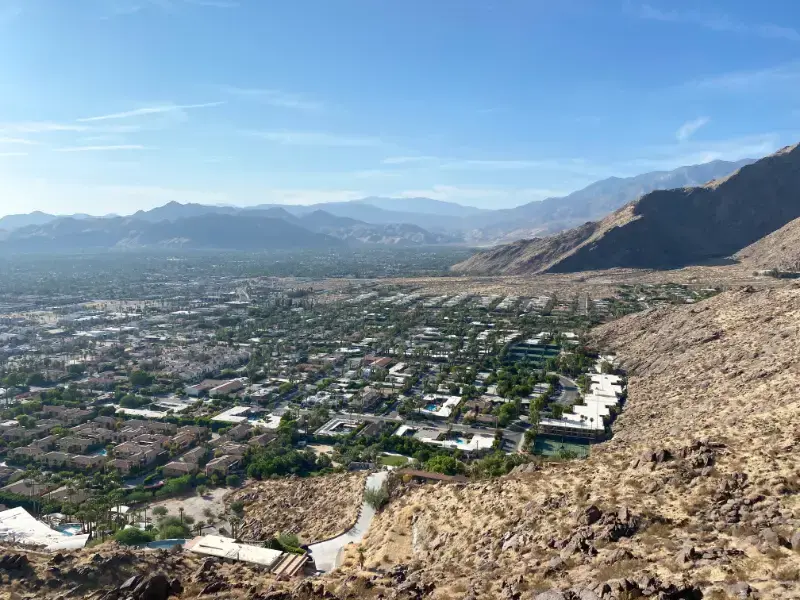
Palm Springs is often reduced to pools, palm trees and mid-century houses. Those are part of the appeal, but the city makes more sense when you understand its geography and climate. Downtown sits on the desert floor, mountains rise abruptly to the west, and many of the region’s best experiences are spread across the wider Coachella Valley.
A good first trip balances three different Palm Springs experiences: desert city, mountain escape and outdoor landscape. Two or three days is enough to combine them without turning a relaxing destination into another overloaded road trip stop.
How many days should you stay?
Two full days works for downtown, architecture, one major mountain or canyon activity and pool time. Three days is better if you want Joshua Tree National Park, a spa day, golf or more of the Greater Palm Springs area.
If you are already visiting Joshua Tree, consider staying in Palm Springs for at least two nights rather than commuting from Los Angeles for a long day trip.
Best time to visit Palm Springs
For most visitors, autumn through spring offers the most comfortable temperatures. Winter is popular because the desert can be sunny while much of the country is cold. Spring is excellent for outdoor activities, though major events can raise hotel prices. Late autumn is another strong period.
Summer is not simply “warmer.” Extreme desert heat changes the itinerary. Early morning and evening become the usable outdoor windows, while midday is better for pools, indoor attractions, spas and rest. Never build a summer hiking plan by copying a winter itinerary.
Where should you stay?
Downtown Palm Springs is best for restaurants, evening walks and a first visit without constant driving. The neighborhoods south of downtown have many classic resorts and mid-century properties. Travelers focused on golf, larger resorts or the eastern Coachella Valley may prefer Rancho Mirage, Palm Desert or Indian Wells.
Choose accommodation based on the type of day you want. A central hotel helps if you plan to walk to dinner. A larger resort makes sense if pool time is a major part of the holiday.
Day 1: downtown, architecture and the desert rhythm
Start with a slow morning downtown. Walk Palm Canyon Drive, browse shops and cafés, and look at the low-rise architecture that gives Palm Springs its identity. If mid-century design is a priority, use a reputable self-guided map or organized architectural tour rather than driving randomly through residential streets.
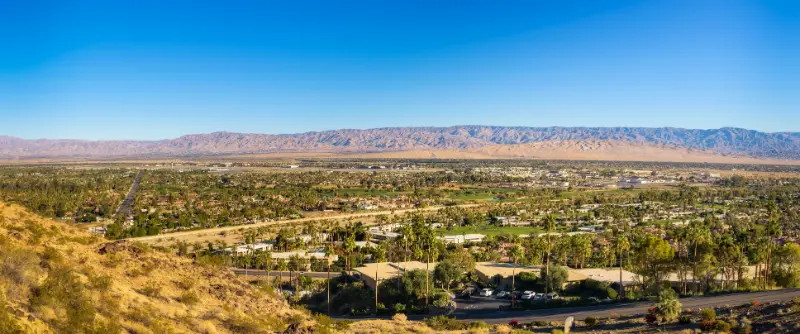
Spend the hottest part of the afternoon at the hotel, an indoor attraction or a long lunch. This is especially important from late spring through early autumn. Palm Springs is one of those destinations where doing less at 2 p.m. can make the entire day better.
Return outside in the late afternoon for neighborhood architecture, a short scenic drive or sunset views toward the San Jacinto Mountains.
Day 2: mountain or canyon
Choose one major natural experience. The Palm Springs Aerial Tramway climbs from the desert toward much cooler mountain terrain, creating an immediate change in temperature and vegetation. Operations can be affected by maintenance, weather or wind, so check the official status on the day you plan to ride.
Alternatively, explore one of the local canyon areas associated with the Agua Caliente Band of Cahuilla Indians. Trail access, opening hours and seasonal heat policies can vary, so confirm current information rather than assuming year-round midday hiking.
Do not schedule both a long canyon hike and a major mountain excursion unless you are deliberately planning an active day.
Day 3: Joshua Tree or a slower valley day
If you have a third day, Joshua Tree National Park is the obvious extension. Start early and give the park a full day rather than trying to combine it with a late checkout, shopping and dinner reservations.
Our Joshua Tree first-time guide explains the entrances and a realistic route. If you have already visited the park, use day three for a resort day, Palm Desert, gardens, golf, art or a slower exploration of the Coachella Valley.
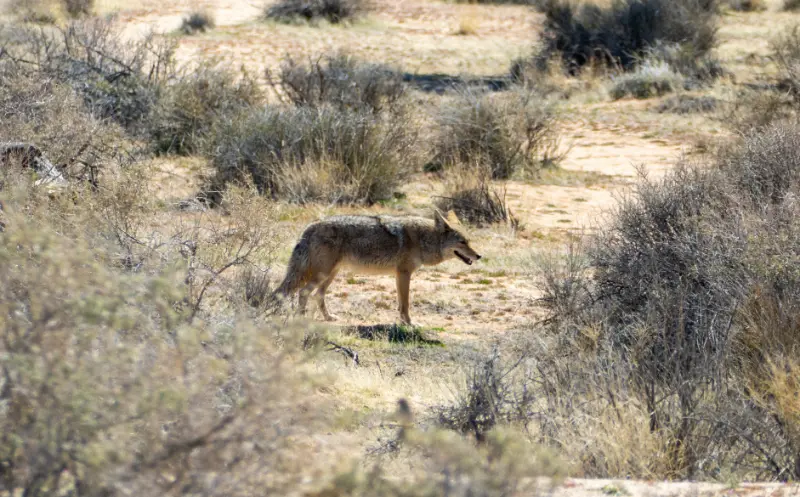
Do you need a car?
A car is useful for most first-time trips because the wider valley is spread out. Downtown Palm Springs can be walked, but Joshua Tree, trailheads, resorts and neighboring cities require more transport planning.
If you do not want to drive, choose a central hotel and use rideshare or taxis selectively. For a resort-focused weekend, that can work very well. For a multi-destination desert itinerary, a car is usually simpler.
Heat planning: the rule that matters most
In hot months, move outdoor activities to early morning. Carry more water than you expect to need and do not rely on shade being available on desert trails. The dry air can make sweat less noticeable, so dehydration may develop before you feel uncomfortable.
Parking a car in full sun also creates practical issues for medication, electronics and food. Never leave children, older adults or pets in a parked vehicle, even for a short stop.
Architecture without annoying neighborhoods
Palm Springs’ residential architecture is a major attraction, but many famous homes are private residences. Use public streets respectfully, do not enter driveways or courtyards, and avoid treating a residential block like a film set.
Organized tours can be worthwhile because they provide historical context and reduce random driving. The architecture becomes much more interesting when you understand how climate, shade, glass and indoor-outdoor living influenced the design.
Palm Springs with children
Palm Springs can work for families, especially when the hotel has a good pool and the itinerary includes the tramway or a day at Joshua Tree. The challenge is midday heat and an adult-focused dining and resort culture in some areas.
Choose family-friendly accommodation carefully and verify pool policies. In summer, build the day around early outdoor time, a long indoor/pool break and a later dinner.
For a larger route, see California with kids.
Older travelers and limited mobility
Palm Springs is particularly suitable for a lower-walking trip if you choose the right hotel and activities. Scenic drives, architecture, resort facilities and mountain transport can provide variety without long trails. The bigger concern is heat.
Plan outdoor sightseeing in short blocks and keep the car stocked with water. A comfortable air-conditioned break is part of the itinerary, not a sign that you are wasting the day.
Events can completely change prices
The Coachella Valley hosts major festivals, tennis, golf and design events. A weekend that looks unusually expensive may not be random. Check the regional events calendar before booking nonrefundable accommodation.
If you are not attending the event, moving the trip by one week can sometimes improve hotel availability dramatically.
What to pack
Bring sun protection, a hat, light breathable clothing and a refillable bottle. Also bring a warmer layer if you plan to ride to higher elevation: mountain temperatures can be far cooler than the desert floor.
Comfortable walking shoes matter even on a resort trip because downtown, canyon paths and architecture walks add more distance than expected.
Official planning resources
The Greater Palm Springs tourism site maintains current visitor guides, events and seasonal planning information. It is especially useful for checking major event dates and understanding the nine-city Coachella Valley rather than focusing only on Palm Springs proper.
How Palm Springs fits into a California trip
Palm Springs combines best with Los Angeles, Joshua Tree and a broader Southern California or Southwest route. It can also pair with San Diego, but the trip is better with an overnight rather than a same-day return.
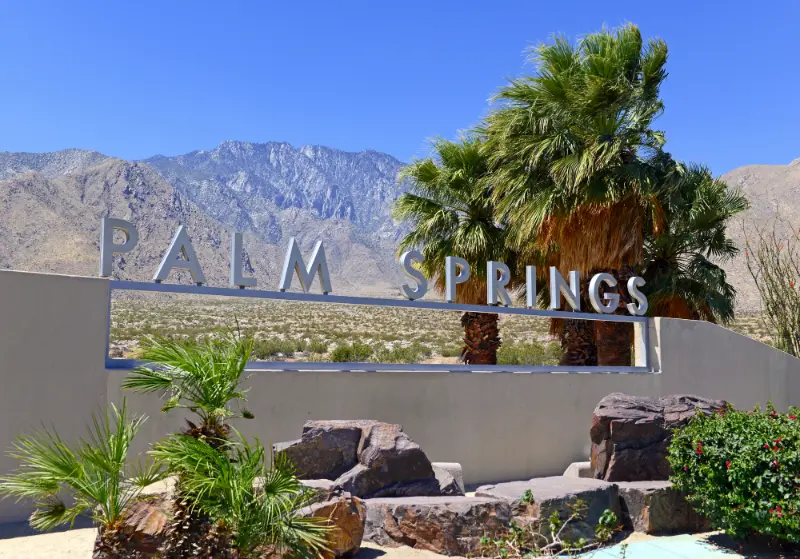
Our California travel guide can help you decide whether the desert fits your season and total number of days.
A realistic first-time itinerary
Day 1: downtown, architecture, long midday break and sunset. Day 2: aerial tramway or canyon activity, followed by pool or spa time. Day 3: Joshua Tree National Park or a relaxed Greater Palm Springs day.
The sequence can be reversed depending on weather. In the desert, the forecast should outrank the itinerary.
How to control the budget
Palm Springs can range from a relatively affordable motel weekend to a luxury resort trip. The biggest variables are event dates, hotel style and how much time you actually plan to spend at the property. If the hotel pool is central to the trip, paying more for a resort you enjoy can make sense. If you will be in Joshua Tree all day, the same premium may be wasted.
Compare resort fees, parking and taxes before booking. For dining, mix one special dinner with casual breakfasts and lunches. The desert is a destination where the accommodation experience can be part of the holiday, so spend intentionally rather than automatically choosing the cheapest or most luxurious option.
One more practical point: plan around daylight
Desert scenery is most attractive and comfortable near the beginning and end of the day. In winter, however, sunset arrives early. Check daylight hours before reserving a late lunch or spa treatment if you still want an outdoor viewpoint afterward. In summer, the opposite strategy often works: protect the middle of the day and keep the evening free for walking and dinner outdoors.
Final advice
Palm Springs is better when you stop treating rest as an empty space between attractions. The pool, a long lunch and a slow evening are part of the destination. Add one strong outdoor experience each day, respect the heat and let the desert pace do the rest.