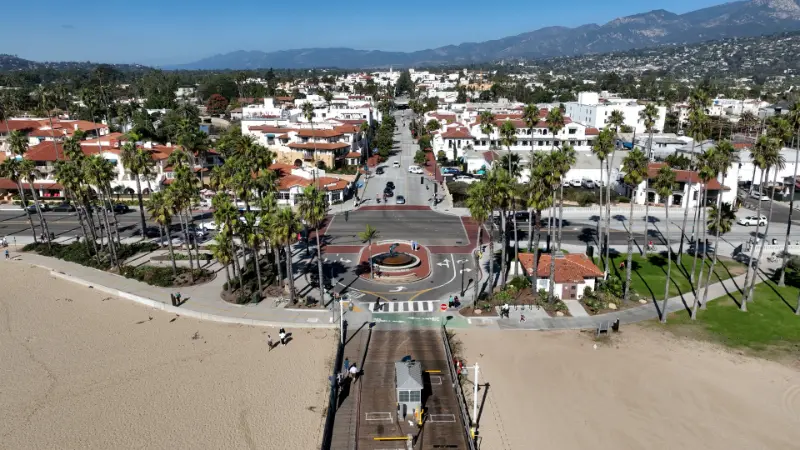
Santa Barbara is one of the easiest places in California to overplan. The city is compact enough to tempt you into a long list of beaches, viewpoints, historic buildings, wine-tasting rooms and nearby towns, but its biggest strength is exactly the opposite: you can slow down.
For a first visit, two full days is enough to understand the rhythm of the city. You can walk the waterfront, explore State Street, see the Spanish-influenced architecture, spend time on a beach and still have an afternoon without a schedule. That makes Santa Barbara a particularly good stop between Los Angeles and the Central Coast.
How many days do you need?
Two days is the ideal first visit. One day works if you are driving through, but it usually becomes a choice between downtown and the coast. Three days is worthwhile if you want a day trip into the Santa Ynez Valley, extra beach time or a slower hotel-based break in the middle of a road trip.
If Santa Barbara is only a night between Los Angeles and Big Sur, arrive early enough to enjoy the waterfront before dinner and leave the following afternoon rather than treating the hotel as a place to sleep.
Where should you stay?
Downtown near State Street is best for travelers who want restaurants, shops and evening walks without moving the car. West Beach is convenient for the harbor, Stearns Wharf and the waterfront. East Beach feels more open and beach-focused. Montecito offers luxury and a quieter residential atmosphere but is less useful if this is your first city-centered visit.
Parking costs and hotel fees can vary significantly, so compare the total price rather than the room rate alone. A hotel that allows you to walk for two days can justify a higher nightly price by reducing driving and parking hassle.
Day 1: waterfront, harbor and State Street
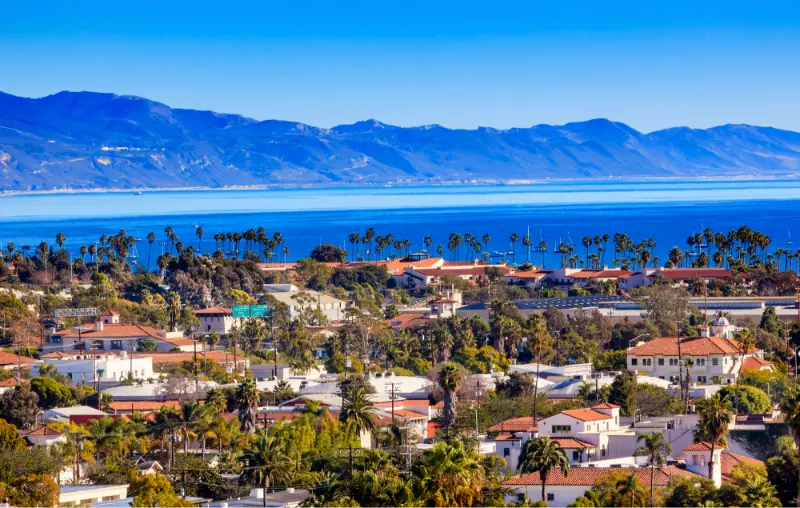
Start near the waterfront. Walk Stearns Wharf, the harbor area and the beachfront path without trying to make every stop an attraction. The value is the setting: mountains behind the city, palms, boats and the broad curve of the coast.
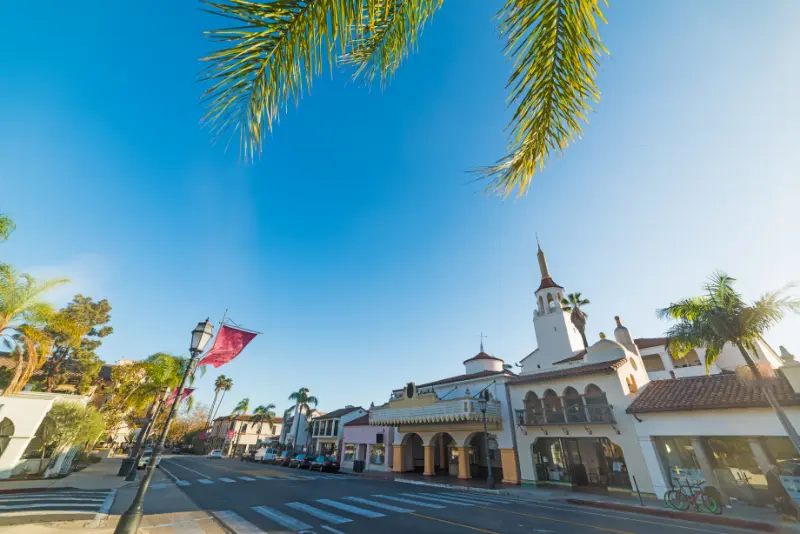
Continue inland toward State Street. The heart of downtown is better explored on foot, with cafés, shops, courtyards and side streets that are easy to miss from a car. Give yourself time to wander rather than building a rigid restaurant-to-museum timetable.
Late afternoon is ideal for returning toward the beach. The light becomes softer, temperatures are comfortable and you can decide whether you want a sunset walk, an early dinner or simply time at the hotel.
Day 2: architecture, the Mission and a beach afternoon
Use the second morning for Santa Barbara’s architectural and historic side. Old Mission Santa Barbara is one of the city’s major landmarks. Even if you do not take a full tour, the surrounding setting helps explain the visual identity that visitors associate with the city.
Continue with selected downtown architecture and gardens. Santa Barbara County Courthouse is a well-known example, though access to specific interior spaces or towers can change with events or maintenance, so check before making it the centerpiece of the morning.
For the afternoon, choose one beach. East Beach is convenient and spacious; Butterfly Beach near Montecito is famous for its setting; Leadbetter Beach works well near the harbor. One long, relaxed beach stop is more satisfying than driving between three.
Can you visit Santa Barbara without a car?
Yes, especially for a short trip centered on downtown and the waterfront. The train station is close to the lower State Street and waterfront area, and the Pacific Surfliner connects Santa Barbara with Southern California cities. Schedules and service conditions change, so check current rail information before building the trip around a specific departure.
A car becomes more useful if you want Montecito, Santa Ynez Valley, multiple beaches or a broader Central Coast road trip. The important point is that Santa Barbara itself does not require constant driving.
Why Santa Barbara works well after Los Angeles
Santa Barbara feels different enough from Los Angeles to create a real change of pace without requiring a long travel day. This makes it a natural first overnight stop on a northbound coast itinerary.
If you are leaving Los Angeles, avoid planning a full morning of sightseeing there and then assuming the coastal drive will be effortless. Traffic can add uncertainty. It is better to depart earlier and let Santa Barbara become the day’s main destination.
See our Los Angeles guide for first-time visitors if you are combining the two cities.
How Santa Barbara fits into Highway 1
Santa Barbara is south of the most famous Big Sur stretch, but it is a logical part of a longer California coast trip. Northbound travelers can continue toward San Luis Obispo, Morro Bay, Cambria and eventually Big Sur; southbound travelers can use Santa Barbara as the final slower stop before Los Angeles.
Our Highway 1 road trip guide explains how to divide the coast into realistic stages.
Best time to visit
Santa Barbara is a year-round destination, but coastal California does not guarantee hot beach weather every day. Spring and autumn often balance pleasant temperatures with fewer peak-season crowds. Summer brings the strongest beach demand and can also bring marine-layer mornings. Winter can be mild, with the possibility of rain and storm systems.
Do not pack only for the afternoon forecast. Evenings beside the ocean can feel cool, and a light layer is useful most of the year.
Santa Barbara with children
The city is family-friendly because you do not need a major attraction every hour. Beach time, the harbor, parks and short walks can fill the day naturally. Families should choose a hotel that minimizes car use and allows an easy return for rest.
If children are young, avoid building a day around adult-oriented tasting rooms. Instead, use the city as a beach and outdoor stop, then add one museum or animal-related activity if it fits your interests.
For broader planning, see California with kids.
Older travelers and limited mobility
Santa Barbara is one of the easier California coastal cities to enjoy at a slower pace. The waterfront is relatively flat, and many highlights can be reached with short drives or rides. Downtown walking distances can still accumulate, so plan café breaks and avoid repeatedly moving between beach and inland attractions.
If someone in your group has limited mobility, prioritize accommodation close to the waterfront or State Street and check the exact access conditions of historic buildings before arrival.
Should you visit the Santa Ynez Valley?
Yes, if you have a third day or a strong interest in wine country, small towns and inland scenery. No, if it means sacrificing the only afternoon you have in Santa Barbara itself. The valley deserves enough time to feel like a separate destination.
Do not schedule a tasting-focused day without deciding in advance who will drive. Organized transport, a designated driver or a carefully planned itinerary is better than improvising after several stops.
Eating well without overbooking the day
Santa Barbara has excellent restaurants, but a short visit does not need three major reservations. Choose one meal that matters to you and leave the rest flexible. The city’s café, bakery and casual food options make it easy to keep sightseeing relaxed.
If you plan a special dinner, make the afternoon lighter so you are not rushing back from a distant beach or valley excursion.
Common mistakes
The first mistake is using Santa Barbara only as a sleep stop. The second is trying to combine the city, several beaches, Montecito and Santa Ynez in one day. The third is moving the car too often. The fourth is assuming coastal weather will be hot because Los Angeles was hot.
A strong Santa Barbara itinerary has fewer transitions than most California itineraries. That is exactly why it works.
Useful official planning information
For current events, visitor information, transport suggestions and seasonal updates, use the official Visit Santa Barbara website. Local conditions, beach access and special events can affect parking and accommodation prices.
A realistic two-day summary
Day 1: waterfront, Stearns Wharf, harbor, State Street and sunset near the beach. Day 2: Mission and selected historic architecture in the morning, then one long beach stop or Montecito in the afternoon.
If you have a third day, add Santa Ynez Valley or a completely unstructured beach day. Do not make day three another list of city landmarks.
Budget and parking choices
Santa Barbara accommodation can be expensive on weekends. If prices are high, compare downtown, waterfront and neighboring areas only after adding parking fees and transport. A cheaper property several miles away may require paid parking each time you return to the center.
For a two-day stay, I would rather pay slightly more for a location that lets me leave the car parked than save on the room and spend the difference in parking, fuel and lost time. This is especially true during festivals, summer weekends and university events.
Final advice
Santa Barbara earns its place on a California trip because it gives you something the big cities and national parks do not: an easy day. Walk more, drive less, choose one beach, and leave room for a long lunch or an extra hour by the ocean. That slower rhythm is not time taken away from the itinerary; it is the reason to stop here.