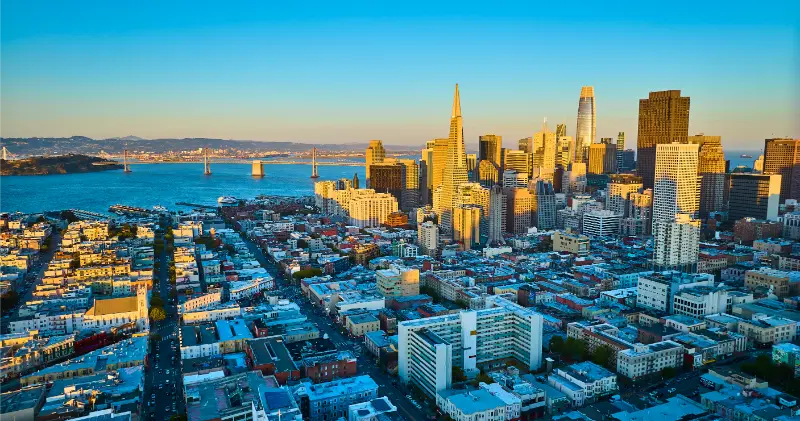
San Francisco to Yosemite looks simple on a map: leave the Bay Area, cross the Central Valley and arrive in the Sierra. In practice, the drive is long enough that route choice, park entrance, check-in time and where you sleep can determine whether the first Yosemite day is enjoyable or mostly traffic.
The key decision is whether Yosemite is a day trip, a one-night visit or a real two- or three-night stay. For most first-time visitors, staying at least two nights near or inside the park is the better use of the drive.
How long does San Francisco to Yosemite take?
The National Park Service lists roughly four to five hours from the San Francisco/Bay Area to Yosemite depending on route and destination inside the park. That is driving time, not a promise. Bay Area traffic, fuel stops, park entrance queues and Yosemite Valley traffic can extend the day.
Use the official Yosemite driving directions and do not trust a GPS route that sends you onto a road inappropriate for your vehicle or season.
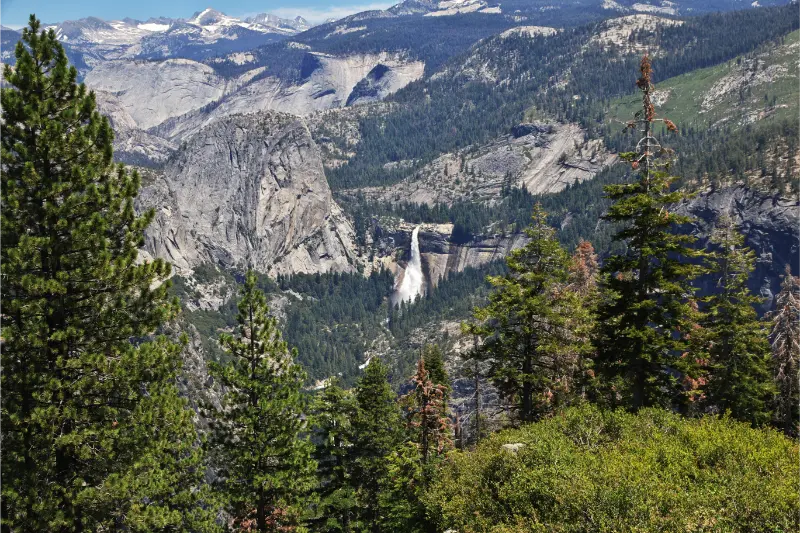
Highway 120 versus Highway 140
Highway 120 via Manteca is often the more direct approach from San Francisco and enters through Big Oak Flat. Highway 140 approaches through Merced and Mariposa and follows the Merced River into the park. The best route depends on your starting point, lodging and seasonal conditions.
Highway 140 remains lower in elevation and can be useful in winter conditions, while Highway 120 includes higher terrain on the western approach. Always check current conditions rather than applying a permanent rule.
Do not confuse Tioga Road with Highway 120 from the west
Travelers sometimes read that Highway 120 is closed in winter and assume Yosemite cannot be reached from San Francisco. Tioga Road—the eastern trans-Sierra section of Highway 120—closes seasonally, but Yosemite can be approached from the west via other open roads and often via the western Highway 120 route depending on conditions.
The important question is the exact road segment, not the route number alone.
Should you stop in Gold Country?
If Yosemite is the priority and you have only two nights, go directly to the park or gateway. If you have extra time, towns in the Sierra foothills can add history and a slower transition from the Bay Area. Our Gold Country road trip is better treated as its own experience than as a collection of rushed roadside stops.
Do not add a detour simply because the map shows a historic town nearby. Every hour taken from Yosemite changes what you can do after arrival.
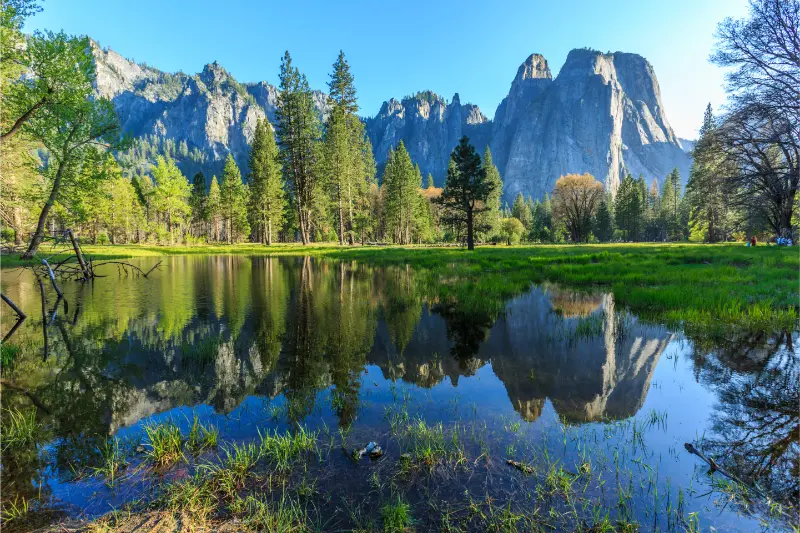
Where to sleep on the first night
Inside Yosemite gives the best access but books early. El Portal is convenient for the Arch Rock entrance, while Mariposa, Oakhurst and Groveland offer different trade-offs in price and driving. Read our Yosemite lodging guide before choosing a hotel based only on straight-line distance.
A property advertised as ‘near Yosemite’ can still be a long drive from Yosemite Valley.
Best two-night structure
Day 1: leave San Francisco early, drive to Yosemite, check in and use the remaining daylight for Tunnel View, a short Valley walk or an easy orientation. Day 2: full Yosemite day. Day 3: a final morning walk, then continue to the next destination.
If you have only one night, keep Day 1 simple and protect the next morning. If you have three nights, you can add Glacier Point Road or another area when seasonally open without turning every hour into a transfer.
Can Yosemite be a day trip from San Francisco?
It is physically possible, and tours exist, but independent travelers should understand the cost: roughly eight to ten hours of round-trip driving before parking, walking or sightseeing. A day trip can work for someone who has one opportunity to see Yosemite, but it is not the same experience as staying overnight.
If you do not want to drive, compare organized tours or public transportation options rather than trying to build a late-night self-drive day.
YARTS and car-light options
Yosemite Area Regional Transportation System connects some gateway communities to the park on seasonal or year-round routes depending on corridor. This can reduce parking stress, but schedules must fit your hotel and activity plans.
For a broader discussion of reaching California destinations without driving, see our California without a car guide.
Parking after you reach Yosemite
Yosemite Valley can become congested. Arrive early, park once when possible and use the shuttle/walking network rather than moving the vehicle between nearby sights. A hotel outside the park does not mean you should repeatedly exit and re-enter during the same day.
Our two-day Yosemite itinerary organizes the Valley and higher viewpoints more efficiently.
Winter road planning
Tire chains may be required on open Yosemite roads during winter storms, even for four-wheel-drive vehicles to carry. Glacier Point Road and Tioga Road have seasonal closures. Check the official park conditions and Caltrans before departure.
Do not let a rental-car company policy or unfamiliarity with chains become a surprise after you reach the foothills.
Families
For families, the first travel day should not also contain a long hike. Children have already spent hours in the car. Use arrival afternoon for a waterfall viewpoint, meadow walk or visitor-center orientation, then begin the active day after a full night’s sleep.
Pack snacks and water before leaving the Bay Area. Food options become more limited as the route moves toward the park.
Senior travelers and limited mobility
Yosemite Valley contains several iconic viewpoints and paved areas accessible without strenuous hiking. A two- or three-night stay allows you to use these at a comfortable pace. Choose lodging that minimizes repeated long drives and confirm accessibility for the specific room and shuttle stop you need.
The drive itself is part of the fatigue calculation. A 5 p.m. San Francisco departure followed by mountain roads is rarely a good trade for one cheaper hotel night.
What to do with luggage
If Yosemite is followed by a longer road trip, keep visible luggage out of sight whenever the vehicle is unattended. Ideally, check in before leaving a fully loaded car at a trailhead. If that is impossible, organize the vehicle so valuables travel with you and nothing attractive is visible.
This is especially relevant when the San Francisco-to-Yosemite drive is part of a larger California route.
The route back to San Francisco versus continuing onward
If your trip continues to Los Angeles, Sequoia, Mammoth Lakes or the coast, you may not need to return to San Francisco. In summer, Tioga Road can connect Yosemite to the Eastern Sierra when open, while western routes connect toward Fresno and the Central Valley.
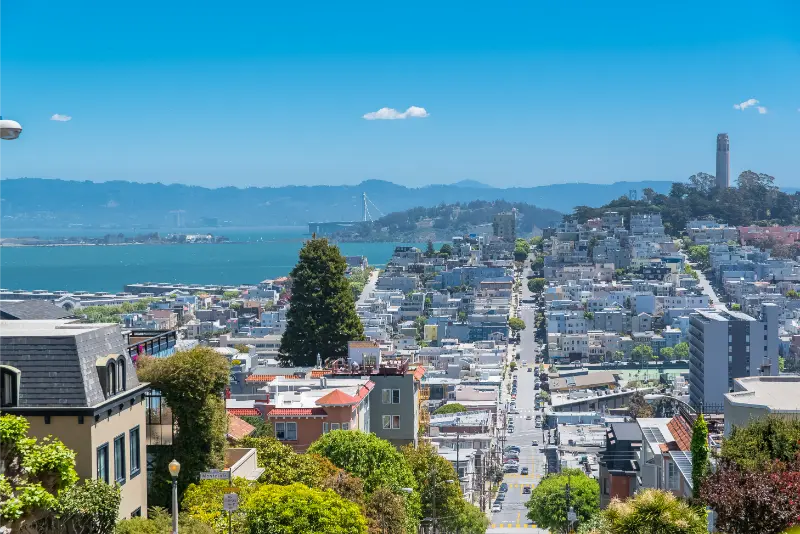
Build the entire California itinerary before booking a round-trip rental or unnecessary backtracking.
Common mistakes
The most common errors are treating the drive as two hours shorter than reality, booking a hotel far from the entrance, attempting Yosemite as a day trip after a late night in San Francisco, following GPS onto unsuitable routes and planning seasonal roads without checking whether they are open.
A successful San Francisco-to-Yosemite transfer protects the Yosemite time. The drive is necessary; it should not become the main event.
Groceries, fuel and the last easy stop
The Bay Area and Central Valley make it easy to buy groceries before reaching the Sierra. Do not wait until Yosemite Valley to discover you need snacks, a phone cable or a child’s medicine. Fuel is available in gateway areas, but topping up before entering the park reduces the need to leave simply for gas.
Keep a small picnic meal available for arrival day. Restaurant timing is much easier when hunger is not dictating every decision.
Booking and confirmation checklist
Before travel, reopen the official pages for every time-sensitive element in this guide: road conditions, reservations, operating days, weather and seasonal closures. Save confirmations offline and keep the address or entrance name you actually need rather than relying on a generic destination pin.
Keep one activity each day optional. If traffic, weather or a closure removes an hour, dropping one lower-priority stop is better than pushing every meal and arrival later.
Accessibility and mixed-mobility groups
If anyone in the group uses a wheelchair, walker, stroller or simply needs shorter walking distances, verify the exact parking area, surface and restroom access for the stops you plan to use. ‘Accessible destination’ does not mean every trail or beach access is accessible.
Mixed-age groups usually travel better when the day includes one shared anchor and optional shorter activities around it. A flexible plan lets one person rest without forcing the entire group to abandon the day.