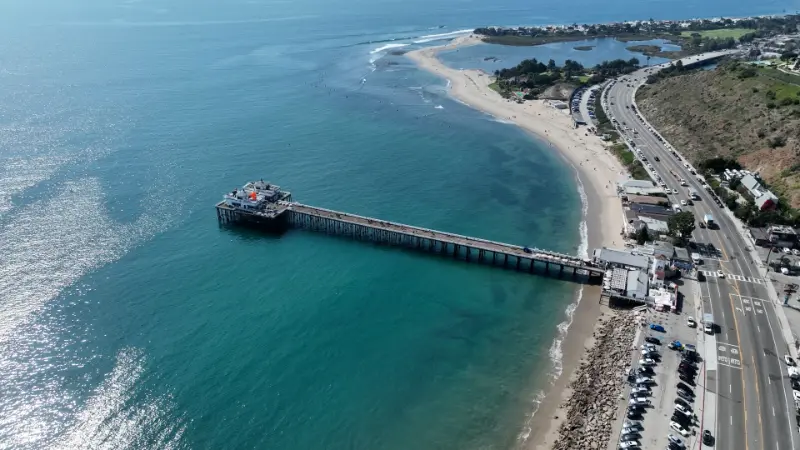
Malibu looks simple on a map: ocean on one side, mountains on the other and Pacific Coast Highway running through the middle. In practice, it is one of those California destinations where a poor plan can turn a beautiful day into a chain of traffic, parking searches and rushed beach stops.
The key is to treat Malibu as a long coastal corridor rather than a compact beach town. Pick one part of the coast for each half-day, accept that parking and road conditions can change, and leave enough empty time to enjoy the beach you actually chose. Two days gives a first-time visitor a much better experience than trying to “see Malibu” between breakfast in Los Angeles and dinner somewhere else.
| Best length | 2 days for a first visit; 1 day if you choose only two or three stops |
|---|---|
| Best for | Beaches, scenic driving, ocean walks, relaxed Southern California time |
| Car needed? | Usually yes; Malibu is spread out along PCH |
| Best pairing | Los Angeles, Santa Monica or Santa Barbara |
| Biggest planning issue | Traffic, beach parking and changing trail/road conditions |
Understand Malibu before you choose a hotel
Malibu is not built around one obvious downtown. The eastern end is closer to Santa Monica and the Getty Villa area, central Malibu is convenient for Malibu Pier and Surfrider Beach, and the western side puts you closer to Zuma Beach, Point Dume and a quieter stretch of coast. A hotel or rental that looks “in Malibu” can therefore be a meaningful drive from the beach or restaurant you care about most.
If Malibu is part of a larger Los Angeles trip, it can make sense to stay in Santa Monica or another Westside neighborhood and devote one long day to the coast. If Malibu itself is the reason for the trip, staying locally reduces the pressure to fight PCH traffic at the beginning and end of every day.
Day 1: Malibu Pier, Surfrider and a slow central-coast afternoon
Start in central Malibu rather than driving straight to the far western beaches. Malibu Pier, Surfrider Beach and the lagoon area sit close enough together that they can form one coherent morning. The point is not to tick off several landmarks in an hour; it is to walk, watch the water and understand why this stretch became so closely associated with Southern California surf culture.
After lunch, choose one additional coastal stop. If conditions and access are good, Point Dume gives you a different landscape of cliffs and broader views. If you would rather avoid another trail and parking search, spend the afternoon at a wide beach such as Zuma. Families in particular often get more from one long beach session than from four quick photo stops.
Keep sunset flexible. Coastal traffic can build, parking lots can fill and marine-layer conditions can change the light. A schedule that says “sunset at exactly this beach after three other stops” is more fragile than simply leaving the final two hours open.
Day 2: western Malibu or the Getty Villa
Use the second day to choose between two very different experiences. A beach-focused day can concentrate on western Malibu, with time at Zuma and one scenic cove or short coastal walk. A culture-focused day can begin at the Getty Villa, which sits just east of Malibu in Pacific Palisades and is easy to combine with the eastern end of the coast.
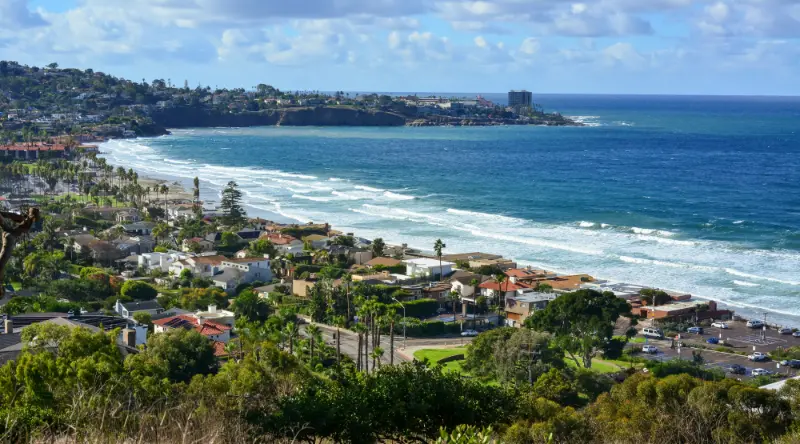
The Getty Villa uses timed entry, and its official site currently lists paid on-site parking and specific vehicle-access rules from Pacific Coast Highway. Because reservations, parking prices and access procedures can change, check the museum site before committing your day to a particular arrival time. Do not assume you can simply turn across traffic into the entrance from either direction.
If you choose the western-coast option, resist the temptation to keep driving indefinitely. The farther west you go, the more time you must spend returning. Decide in advance whether Malibu is your destination or merely the first part of a longer drive toward Ventura or Santa Barbara.
Which Malibu beaches make sense for a first trip?
Surfrider Beach is the classic first stop if you want the surfing identity and pier area. Zuma Beach is a better fit when your priority is simply spending several hours on a broad beach with room to settle in. Point Dume works for scenery and a short coastal experience. Smaller coves can be beautiful, but access often involves steeper paths, limited roadside parking or more tide awareness.
The useful question is not “Which beach is best?” but “What do I want from this half-day?” A family carrying chairs and beach gear needs a different beach from a couple looking for a short scenic walk. An older traveler who wants an ocean view without steep steps may prefer a more developed access point rather than a photogenic cove reached by stairs.
Driving PCH without letting the road ruin the day
Pacific Coast Highway is part of the Malibu experience, but it is also a busy transport corridor. Give cyclists space, expect vehicles to enter and leave beach parking areas, and do not make sudden stops because you noticed a viewpoint. The City of Malibu regularly emphasizes road and pedestrian safety during busy periods.
Build slack into every transfer. A map estimate made early in the morning is not a promise for late afternoon. If your next reservation is important, leave earlier than the navigation app suggests. This is especially important on summer weekends, holidays and days when incidents or roadwork affect PCH.
Parking: the detail that changes the whole itinerary
Parking rules vary by beach and section of highway. Some locations have official lots, some use roadside parking where legal, and some are poor choices once the obvious spaces are full. Read signs carefully and never treat a line of parked cars as proof that every spot is legal.
A good Malibu strategy is to park once for each major part of the day. Moving the car every 45 minutes creates more stress than value. If a beach lot is full, have a second beach already chosen rather than circling narrow approaches repeatedly.
Malibu without a car
It is possible to reach parts of the coast using buses, rideshare or cycling, but the experience is less flexible because attractions are spread out. A car is usually the most practical tool for a short first visit, particularly if you want western Malibu. The exception is a tightly focused day built around one or two eastern or central stops.
Do not plan a rideshare-dependent sunset at a remote beach without checking pickup availability and cell service. The same beautiful isolation that makes parts of Malibu appealing can make a late transfer less convenient.
Best time to visit Malibu
Malibu works year-round, but “Southern California” does not mean identical beach weather every month. Late spring and early summer can bring cloudy marine-layer mornings. Summer brings the greatest beach demand. Autumn can offer warm, clear days but is also part of California’s fire-weather season. Winter is often mild but can bring rain, surf and road impacts.
For a trip centered on hiking or mountain roads, always check current conditions close to departure. Fire recovery, storms, rockfall and temporary trail closures can affect the Santa Monica Mountains and PCH corridor. Use current official information rather than an itinerary published months earlier.
Malibu with children
With young children, simplify the day. Choose a beach with straightforward access, bring sun protection and layers, and make the pier or a short walk the secondary activity rather than adding long mountain hikes. The ocean can be cold and surf conditions vary, so beach time should be planned around current conditions rather than the appearance of the water from shore.
For a broader family itinerary, our California with kids guide explains how to reduce long driving days and build recovery time into a bigger trip.
Older travelers and limited mobility
Malibu can be very rewarding without strenuous hiking, but access differs dramatically from beach to beach. Some viewpoints and developed beach areas are much easier than coves reached by stairs or uneven paths. If mobility matters, choose the access first and the scenery second.
Parking proximity is equally important. A beautiful beach may be a poor choice if the only available legal parking is far along PCH. Check official beach-access information before leaving the hotel, especially if someone in the group uses a mobility aid.
How Malibu fits into a Los Angeles trip
Malibu is one of the easiest ways to add a genuine coastal day to Los Angeles, but do not combine it with a full Hollywood, Downtown LA or theme-park day. Los Angeles distances make that kind of schedule fragile. Instead, group Malibu with Santa Monica or another Westside area.
Our Los Angeles guide for first-time visitors explains how to organize the city by geographic clusters rather than repeatedly crossing it.
Can you combine Malibu and Santa Barbara in one day?
You can drive between them in the same day, but that does not mean you should treat both as full sightseeing destinations. If you are moving north, spend the morning in Malibu, choose one beach or viewpoint, then continue to Santa Barbara with time to enjoy the evening there. Do not schedule a detailed Malibu beach tour and a full Santa Barbara itinerary before dinner.
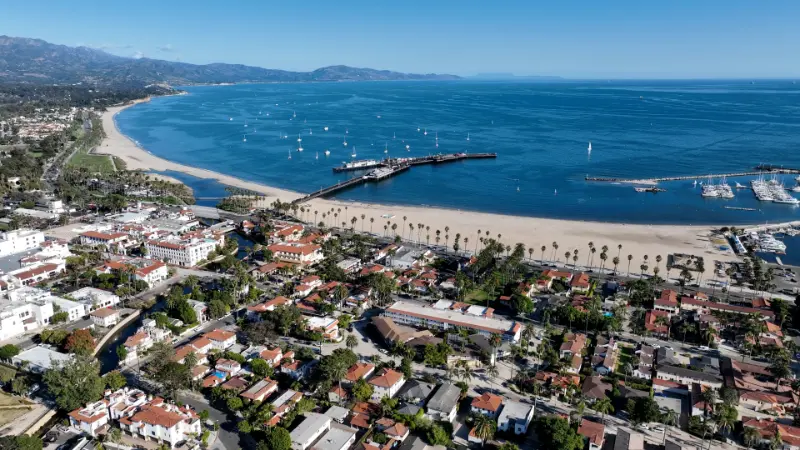
For the next stage, see our Santa Barbara 2-day guide and our broader California Highway 1 road trip guide.
Budget choices that actually matter
Malibu can be expensive, but the landscape itself does not require a luxury budget. The biggest costs are usually accommodation, restaurants and parking rather than the beach. Staying outside Malibu, packing a picnic and choosing one paid attraction can reduce the cost substantially.
Do not save money in a way that creates a worse route. A cheaper hotel far east of your planned western-Malibu day may cost you time, parking and additional driving. Compare the whole day, not only the room rate.
Common first-time mistakes
The biggest mistake is trying to visit every famous beach. The second is assuming PCH driving times are predictable. The third is stopping illegally or crossing traffic impulsively for a photo. The fourth is choosing a cove without checking the physical access. The fifth is expecting guaranteed hot, sunny beach weather in every season.
One more mistake is treating Malibu as a celebrity-spotting exercise. The coast is far more rewarding when the trip is about the ocean, landscape and relaxed pace rather than trying to locate private homes.
Official information to check before you go
For road notices, safety updates and city information, use the City of Malibu. For museum reservations and parking, use the Getty Villa’s official visitor information. If your plan includes trails in the Santa Monica Mountains, check current park alerts close to the day of travel.
Final advice
Malibu is at its best when you deliberately leave things out. Two beaches, one scenic walk, a pier and a long meal can make a stronger two-day memory than a checklist of ten locations. Organize the trip geographically, protect time from traffic and let the Pacific be the main event.