California’s national parks receive international attention, but some of the state’s most memorable landscapes are protected by California State Parks. A state park can give you giant redwoods without the logistics of a national park, a historic mining town, a desert larger than many countries’ protected areas or a beach where the campground itself becomes the destination.
The best California State Parks are not all “must-sees” for the same traveler. Crystal Cove is useful on a Southern California coast trip; Humboldt Redwoods belongs on a Northern California road trip; Anza-Borrego is strongest in cooler months; Bodie makes sense with the Eastern Sierra. The goal is to choose parks that strengthen your route rather than driving hours for a name on a list.
1. Humboldt Redwoods State Park
Humboldt Redwoods protects one of the world’s great concentrations of old-growth coast redwoods and includes the Avenue of the Giants corridor. It is one of the easiest places to experience giant trees while road-tripping Northern California.
Use our Avenue of the Giants guide for a full-day plan. The park works particularly well for travelers driving between Mendocino/Humboldt and the Redwood National and State Parks farther north.
2. Prairie Creek Redwoods State Park
Prairie Creek is part of the cooperative Redwood National and State Parks system and combines old-growth forest with coastal landscapes. Fern Canyon is famous, but access and permits can require seasonal planning. Roosevelt elk are another reason the area feels distinct from a simple forest stop.
Pair it with our redwood parks guide rather than treating it as a one-hour roadside attraction.
3. Jedediah Smith Redwoods State Park
Near Crescent City, Jedediah Smith offers dense redwood forest and the Smith River. It is an excellent northern anchor for a redwood itinerary. Some scenic roads are narrow and may not suit large RVs, so check conditions before driving beyond main routes.
4. Point Lobos State Natural Reserve
Technically a state natural reserve rather than a state park, Point Lobos belongs on this list because it is one of California’s strongest coastal experiences. Trails connect coves, cypress woodland and rocky viewpoints in a compact area south of Carmel.
Parking is limited, especially on busy weekends, so start early. Our Point Lobos guide explains the most practical first visit.
5. Crystal Cove State Park
Crystal Cove protects beach, coastal bluffs, inland trails and a historic district of cottages between Laguna Beach and Newport Beach. It is unusually versatile: families can use the beach, hikers can explore inland canyon trails and history-focused travelers can visit the restored district.
See our Crystal Cove guide for parking zones and a realistic one-day plan.
6. Anza-Borrego Desert State Park
Anza-Borrego is California’s largest state park and one of the best places to understand the scale of the desert outside the national-park system. Borrego Springs provides a convenient base, while badlands, washes, palm oases and seasonal wildflowers create very different experiences by season.
Summer heat can be extreme, and some roads require high clearance or four-wheel drive. Use our Anza-Borrego guide before assuming your rental car can reach every point on a map.
7. Calaveras Big Trees State Park
This Sierra Nevada park protects giant sequoia groves and can be easier to fit into a Gold Country or Highway 4 trip than the better-known national parks farther south. The North Grove offers a relatively accessible introduction to giant sequoias, while longer routes provide a quieter experience.
It works well for families and travelers who want big trees without dedicating several days to Sequoia National Park. Our Calaveras Big Trees guide covers seasonal access.
8. Mount Diablo State Park
Mount Diablo rises above the East Bay and offers broad views, spring wildflowers, hiking and a summit road. It is close enough to San Francisco and Oakland for a day trip but feels completely different from the urban Bay Area.
The road is winding and popular with cyclists, so drive patiently. In hot weather, start early. See our Mount Diablo day-trip guide.
9. Mount Tamalpais State Park
Mount Tamalpais combines forest, ridge views and access to a larger network of Marin trails. On clear days, viewpoints can include San Francisco, the bay and the Pacific. Fog can also erase the view completely, which is part of the coastal character rather than a failed trip.
Combine it with Marin Headlands or a separate Muir Woods visit, but do not overload one day. Our Mount Tamalpais guide explains parking and route choices.
10. Bodie State Historic Park
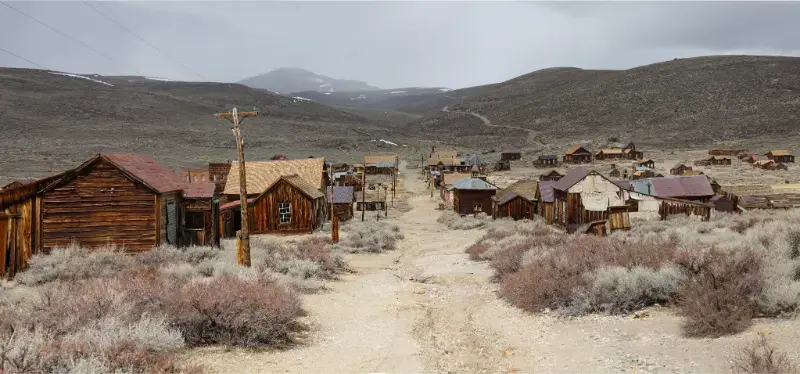
Bodie preserves a high-desert gold-mining ghost town east of the Sierra. It is not a theme-park reconstruction: the atmosphere comes from weathered buildings, artifacts and the remote setting. The final road section and opening conditions can change with weather, especially outside summer.
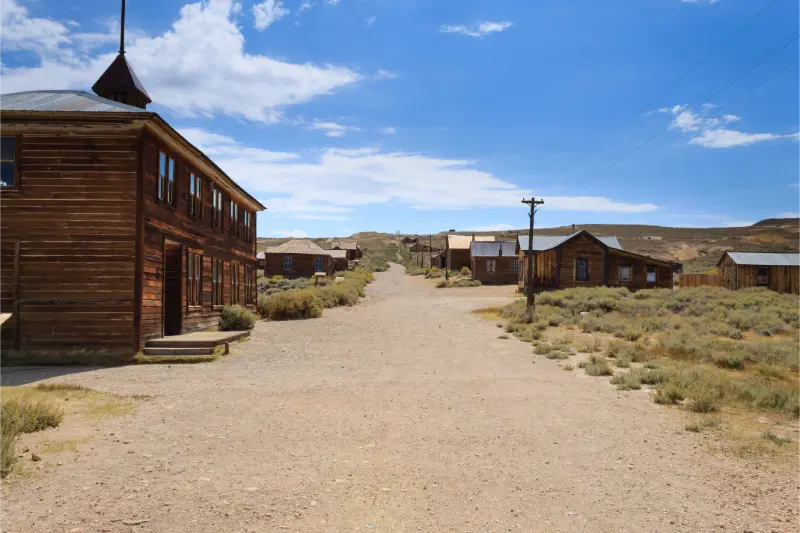
Pair Bodie with Mono Lake or the Eastern Sierra. Our Bodie guide covers access and respectful visiting.
11. Columbia State Historic Park
Columbia preserves a Gold Rush-era town in the Sierra foothills and works well for families because history is presented in a walkable, tangible setting. It pairs naturally with Sonora, Murphys, Calaveras Big Trees and a Highway 49 itinerary.
For a broader route, use our California Gold Country road trip.
12. Año Nuevo State Park
Año Nuevo is famous for northern elephant seals and offers one of California’s strongest wildlife experiences within easy reach of the Bay Area and Santa Cruz. Access to breeding areas can be controlled and guided during the winter season, so this is a park where advance planning matters.
Respect wildlife distances and seasonal closures. Do not approach seals for photographs; their size and speed are easy to underestimate.
13. Julia Pfeiffer Burns State Park
On the Big Sur coast, Julia Pfeiffer Burns is best known for the McWay Falls viewpoint area. The setting is extraordinary, but trail and parking conditions can change after storm damage. Check current state-park information before assuming every trail is open.
Because the park is compact and popular, make it one stop within a larger Big Sur itinerary, not the only reason to drive several hours.
14. Pfeiffer Big Sur State Park
Pfeiffer Big Sur is different from Julia Pfeiffer Burns. It sits along the Big Sur River and offers redwood forest, camping and hiking. The similarity in names confuses many first-time visitors, so confirm which park your campground or trail belongs to.
For road trippers, camping here can turn Big Sur from a rushed day trip into a slower experience, but reservations are competitive.
15. Torrey Pines State Natural Reserve
Torrey Pines protects coastal cliffs and rare Torrey pine habitat north of La Jolla. Under normal conditions it is one of San Diego’s best short nature experiences, but access can be affected by closures and erosion. Always check the current reserve status before travel.
Our Torrey Pines guide includes the latest closure context and alternatives.
How reservations work in California State Parks
Many state-park campgrounds use ReserveCalifornia, and California State Parks notes that popular campgrounds can fill up to six months in advance. Reservation policies can change, so use the official California State Parks reservations and fees page before booking.
Do not assume every day-use park needs a reservation. Some use first-come parking, some require or recommend timed systems for specific attractions, and some have seasonal permit programs.
Dogs in state parks
Dog rules are stricter than many travelers expect. California State Parks generally requires a leash no longer than six feet and often restricts dogs from trails, undeveloped areas and beaches. Check the park-specific listing on the official State Parks dog page.
State parks versus national parks
State parks are not lesser versions of national parks. They protect different resources and can be easier to integrate into a road trip. In some regions, the best experience comes from both systems working together, as with Redwood National and State Parks.
National parks often require more dedicated planning; state parks can sometimes fit naturally between cities. That flexibility makes them especially valuable on a California itinerary.
Which parks should first-time visitors prioritize?
| If you want… | Choose |
|---|---|
| Giant redwoods | Humboldt Redwoods / Prairie Creek / Jedediah Smith |
| Classic coast | Point Lobos / Crystal Cove |
| Desert | Anza-Borrego |
| Giant sequoias | Calaveras Big Trees |
| Bay Area views | Mount Diablo / Mount Tamalpais |
| Gold Rush history | Bodie / Columbia |
A realistic state-parks road trip
If you have two weeks, do not try to visit all 15. A coherent Northern California route might combine Mount Tamalpais, Humboldt Redwoods, Prairie Creek and Jedediah Smith. A Southern California route could combine Crystal Cove, Anza-Borrego and Torrey Pines. A Sierra/Gold Country trip could link Columbia, Calaveras Big Trees and Bodie.
Build by geography. California is too large for a “best parks” checklist to become one sensible route.
Final advice
California State Parks deserve to be part of the first draft of your itinerary, not an afterthought when national-park reservations fail. Choose parks that fit the route and season, check official access conditions and reserve coastal or redwood campgrounds early. A state-park stop can be a one-hour viewpoint, a full hiking day or the place you remember most from the trip. The label matters less than the landscape.