California in winter is not one season. It is several different climates happening at the same time. You can eat lunch outdoors in San Diego, hike in mild desert weather near Palm Springs, watch rain move across the Big Sur coast, and need traction devices on a Sierra highway—all within one vacation. That variety is the reason winter can be one of the most rewarding times to visit California, but it is also why generic advice such as “pack a light jacket” is not enough.
The best winter trip is usually the one that chooses regions intentionally rather than trying to force a summer itinerary into January or February. Coastal cities remain very workable. The deserts become more comfortable. Yosemite Valley stays open, but high-country roads close. Lake Tahoe becomes a snow destination instead of a beach destination. Highway conditions can change quickly in mountain areas, and winter storms can affect coastal roads too.
Quick answer: is winter a good time to visit California?
Yes, especially if your priorities are cities, desert landscapes, lower-season sightseeing and a slower road trip. Winter is less suitable if your dream depends on Tioga Pass, high-elevation hiking, warm Pacific swimming or driving every scenic mountain road. The key is to match the itinerary to what is reliably accessible.
| Region | Typical winter strength | Main trade-off |
|---|---|---|
| Los Angeles / San Diego | Mild sightseeing weather | Rain is possible; ocean is cool |
| Palm Springs / deserts | Comfortable daytime temperatures | Cold nights and holiday crowds |
| San Francisco / Central Coast | Fewer visitors, dramatic coast | Rain, wind and shorter daylight |
| Yosemite Valley | Snowy scenery, quieter atmosphere | Road closures and chain controls |
| Lake Tahoe | Skiing and snow activities | Storm delays, expensive peak weekends |
Southern California is the easiest winter starting point
For a first winter trip, Southern California is the simplest place to begin. Los Angeles and San Diego rarely require a completely different sightseeing strategy because of the season. Outdoor attractions, neighborhoods, museums and beaches remain part of the plan, although beach time is more about walking, tide pools and sunsets than guaranteed swimming.
Do not confuse “mild” with “hot.” Morning and evening temperatures can feel cool, especially near the ocean, and rain systems can produce genuinely wet days. A winter itinerary should include one or two indoor alternatives instead of assuming every day will be blue sky. In Los Angeles, that might mean the Getty Center or a museum day. In San Diego, Balboa Park gives you multiple indoor choices without having to redesign the whole trip.
Winter is prime time for the California deserts
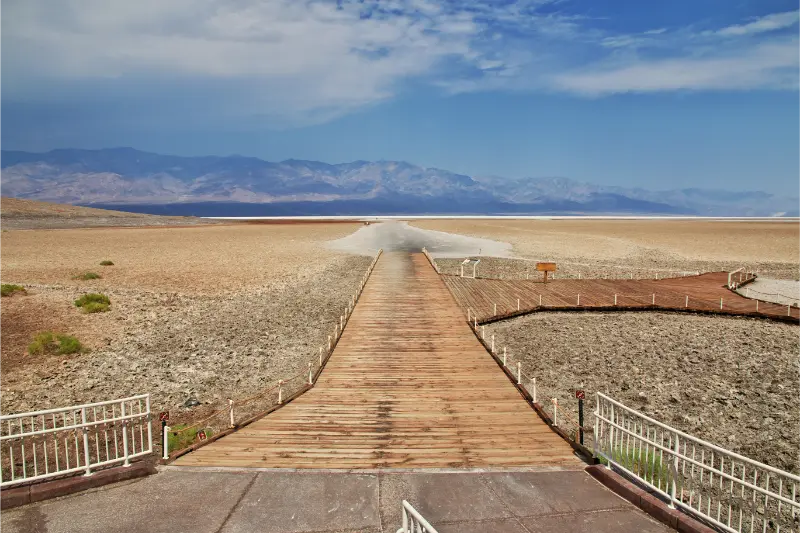
The deserts are where winter often improves the experience rather than merely changing it. Joshua Tree, Palm Springs, Anza-Borrego and Death Valley are far more comfortable for many travelers in winter than in extreme summer heat. Daytime hiking becomes realistic, roadside stops are less punishing, and sunrise or sunset outings require less heat management.
However, desert winter still demands layers. Clear air and low humidity allow temperatures to fall quickly after sunset. Higher desert elevations can be much colder than Palm Springs, and snow is possible in elevated areas. Carry water even when you are not sweating heavily; cool weather does not eliminate dehydration. If a storm has recently passed, verify road conditions before using unpaved desert routes.
What changes in Yosemite during winter
Yosemite remains open year-round, but a winter visit is a different trip from a summer visit. Yosemite Valley, Wawona, Crane Flat and Hetch Hetchy remain accessible by road in winter under normal conditions, while Tioga Road is typically closed from roughly November until late spring and Glacier Point Road is largely closed beyond the Badger Pass area. Snow and ice can bring chain controls to roads that are normally easy drives.
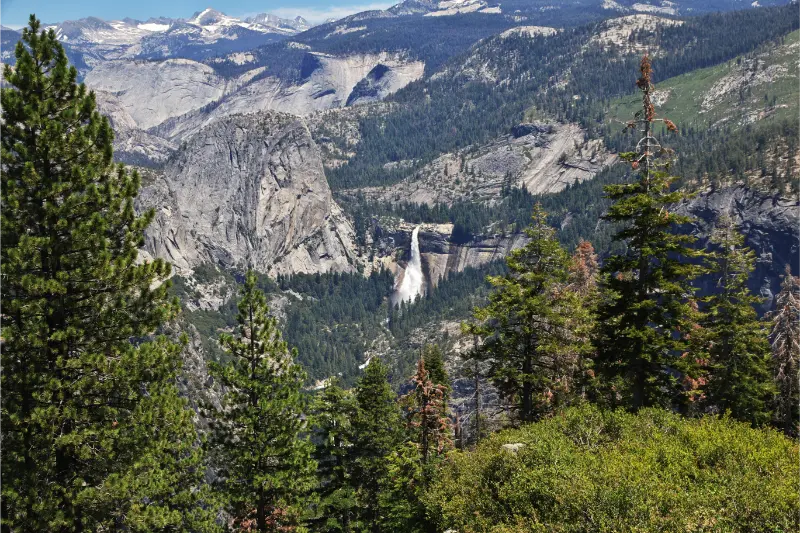
That means you should not plan a winter route that crosses the Sierra through Yosemite to reach Lee Vining, Mammoth Lakes or Death Valley. When Tioga Road is closed, the detour around the Sierra is very long. This is one of the most common winter planning mistakes. Treat Yosemite as a west-side destination in winter, not as a mountain pass.
Check the official Yosemite winter FAQ and road status close to travel. Conditions can change faster than a static itinerary.
Lake Tahoe is a snow trip, not simply a summer lake with snow
Winter in Lake Tahoe revolves around snow conditions, ski resorts, mountain roads and storm timing. Even visitors who do not ski can enjoy snowy viewpoints, lakeside walks when conditions allow, gondolas, snow play and a cozy base. But you need more schedule flexibility than on a summer lake trip.
A major storm can create long delays on I-80 or US-50. Chain controls may be active even when your hotel area looks clear. Four-wheel drive does not automatically exempt you from carrying traction devices. Use Caltrans QuickMap before driving; it shows closures, incidents and active chain controls. If the forecast shows a strong Sierra storm on your transfer day, changing the day can be smarter than trying to “beat” the weather.
San Francisco and the coast: beautiful, but plan for rain
Winter can be excellent in San Francisco because many attractions work in any season and crowds can be lighter outside holiday periods. The city can also be windy and wet. Pack a rain shell and shoes that can handle damp pavement rather than relying on an umbrella in strong wind.

The Central Coast is atmospheric in winter, but this is not the season to build a rigid minute-by-minute Highway 1 schedule. Storms can trigger rockfall, debris, flooding or temporary closures. If your trip includes Highway 1, check current road conditions before each long coastal segment. Keep an inland alternative and avoid booking a same-day flight immediately after a weather-sensitive coastal drive.
Winter driving: chains, closures and daylight matter
Mountain driving is the part of a California winter vacation that deserves the most respect. Caltrans can impose R-1, R-2 or more restrictive chain controls depending on conditions. Under R-2, four-wheel-drive or all-wheel-drive vehicles with qualifying snow-tread tires may be allowed through without installing chains, but drivers still need to carry traction devices. Rental-car policies can complicate chain use, so read the agreement before choosing a snowy itinerary.
Caltrans advises travelers to monitor road conditions, and its winter driving guidance explains chain controls and preparation. Do not make your first-ever mountain snow drive at night after a transatlantic flight. Short winter daylight also means a four-hour scenic drive can consume almost the entire useful day once stops are added.
What to pack for California in winter
Think in layers rather than one heavy coat for the whole state. For coastal Southern California, pack a light insulated layer, rain shell, comfortable walking shoes and sun protection. For San Francisco and the Central Coast, add warmer mid-layers and water-resistant footwear. For the Sierra, bring genuine winter clothing: warm hat, gloves, insulated outer layer and footwear with traction appropriate to snow or ice.
Keep a small road kit in the car on mountain days: water, snacks, phone cable or power bank, warm layers and any traction devices required for your vehicle. Do not leave these items buried under luggage if weather deteriorates.
A realistic 10-day California winter itinerary
Days 1–3: Los Angeles. Use the first days for neighborhoods, Griffith Observatory, a museum and a coastal afternoon. This gives international travelers time to recover from jet lag without a long drive.
Days 4–5: Palm Springs and Joshua Tree. Drive east, use Palm Springs as the comfortable base and spend one full day in Joshua Tree. Check sunset time and avoid leaving remote park roads after dark if you are unfamiliar with the area.
Days 6–8: San Diego. Head south for Balboa Park, the waterfront and a beach neighborhood. Winter makes city walking pleasant without requiring beach-swimming weather.
Days 9–10: Orange County or a slower return to Los Angeles. Choose Laguna Beach, Newport Beach or Disneyland according to your interests. This route deliberately avoids Sierra weather and creates a winter trip that remains viable even if a storm reaches Northern California.
If you want Yosemite too
Instead of squeezing Yosemite into the Southern California loop above, fly into or out of San Francisco and add two or three nights on the west side of the park. Keep the Yosemite segment flexible enough to absorb a storm day. If your international flights are fixed, put the mountain portion in the middle of the trip rather than on the final night before departure.
Winter travel with children and older adults
Winter can work very well for multigenerational travel because cities and deserts are less heat-intensive. The problem is not age; it is how much weather uncertainty the itinerary can tolerate. Families with babies, young children or older relatives should avoid changing hotels every night and should not make a mountain pass the only way to reach the next reservation.
Choose hotels with easy parking or predictable transit, allow later morning starts after cold nights, and keep one indoor attraction in reserve. In snowy destinations, verify walking surfaces and accessible entrances directly with the property or park because ice can change conditions that are normally accessible.
When winter is not the right season
Choose another season if your main goal is backpacking in the high Sierra, driving Tioga Pass, swimming in warm Pacific water, visiting every mountain viewpoint by road or following a rigid cross-state route with no weather margin. Winter is strongest when you embrace what the season opens up—deserts, city sightseeing, snow scenery and quieter coastal travel—rather than measuring it against July.
Final planning advice
A California winter trip succeeds when you separate the state into climate zones and plan each one independently. Check mountain and coastal road conditions shortly before driving, book refundable or flexible lodging around weather-sensitive segments, and remember that winter sunlight disappears early. Done well, winter can deliver one of the most varied California trips of the year: ocean, desert, city and snow without the peak-summer rhythm.