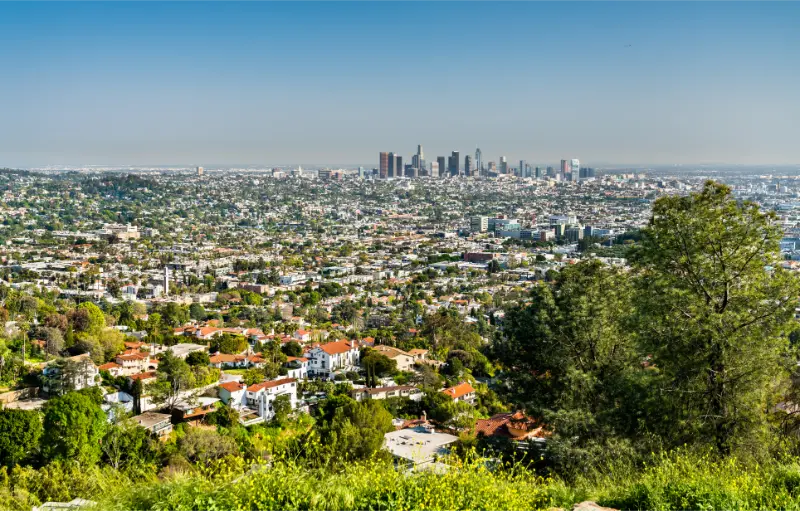
Highway 1 is one of California’s great family trips, but it is also easy to plan badly. Adults see dramatic cliffs and ocean viewpoints; children experience curves, repeated car-seat time and stops that can look similar after the third turnout. The solution is not to skip the coast. It is to vary the day: one viewpoint, one beach, one short walk, one town and enough unscheduled time for a snack or playground.
This article complements California Highway 1 road trip with a family-first route from San Francisco toward Los Angeles. It assumes you are willing to change the plan if road conditions, weather or a tired child make the original schedule unrealistic.
Quick planning summary
| Best direction | either works; southbound puts many ocean pullouts on the coastal side of the road |
|---|---|
| Family pace | 3–5 nights between San Francisco and Los Angeles |
| Best ages | all ages, but the stop pattern should change for toddlers vs teens |
| Key challenge | curvy road, motion sickness and too many short stops |
| Golden rule | never make Big Sur both a long driving day and a packed hiking day |
How many nights do families really need?
Three nights is the minimum for a road trip that feels different from transportation. Four or five is better with younger children. A practical pattern is Monterey/Carmel, the Big Sur or San Simeon/Cambria area, San Luis Obispo/Pismo Beach and Santa Barbara before Los Angeles. You do not need to sleep in every town; the point is to keep the longest scenic sections from becoming late-night drives.
If you have only two nights, prioritize the parts you care about and accept that some stops will be skipped. Highway 1 rewards time more than checklist behavior.
Family-friendly stop strategy
Rotate stop types. After a cliff viewpoint, choose a beach or grassy place where children can move. After a museum or aquarium, choose an unstructured shoreline walk. If the morning includes a longer hike, the afternoon should be simple. This rhythm works better than stopping at every famous pullout.
With toddlers, toilets and safe open space outrank the most photogenic viewpoint. With school-age kids, tide pools, wildlife, bridges and short trails add variety. Teenagers often enjoy photo stops, food towns and a little autonomy more than another interpretive sign.
A 5-day family route
Day 1: San Francisco to Monterey. Leave after breakfast, stop around Half Moon Bay or Santa Cruz if it genuinely adds value, then reach Monterey with time for the waterfront.
Day 2: Monterey and Carmel. Make the aquarium or Point Lobos the main activity, not both plus a full Big Sur drive.
Day 3: Big Sur to Cambria or San Simeon. Use short walks and selected viewpoints. Check road conditions before departure and keep lunch flexible.
Day 4: Cambria to Santa Barbara. Break the drive around Morro Bay, San Luis Obispo or Pismo Beach. Choose one.
Day 5: Santa Barbara to Los Angeles. Enjoy the morning locally and enter Los Angeles outside the most stressful traffic window if possible.
Big Sur with children
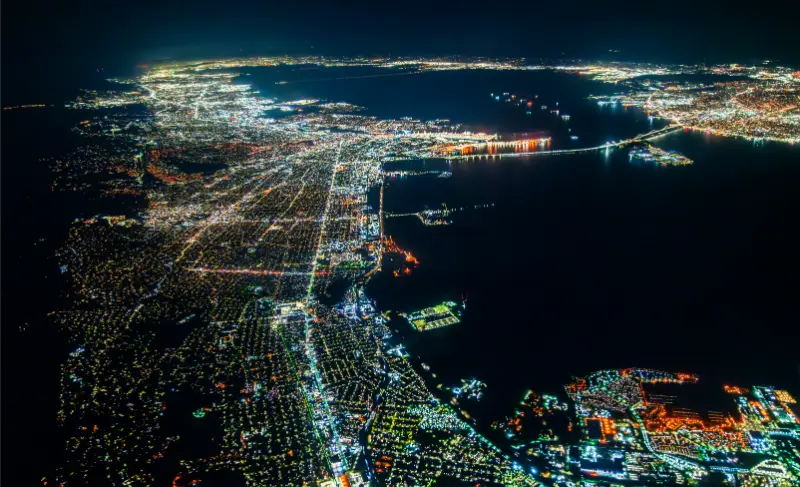
Big Sur works when the family treats the road itself as the attraction. The best day usually has fewer stops than you think. Choose two or three places with different experiences rather than six viewpoints. Short redwood walks, an accessible overlook and a beach or picnic create more variety than repeated roadside pullouts.
Cell service can be limited and services are more spread out than on urban stretches. Fill the tank earlier, download maps, carry water and snacks, and know that a road closure can change the entire itinerary. The dedicated Big Sur with kids guide goes deeper into short walks and realistic family stops.
Motion sickness and curvy-road reality
A child who is comfortable on freeways may still feel sick on the Big Sur curves. Start the scenic section rested, avoid a heavy breakfast immediately before the twistiest roads and keep bags, wipes and water reachable. If someone begins to feel unwell, stop safely at an appropriate turnout or developed area rather than pushing toward the next planned attraction.
Do not let the schedule pressure you into driving after dark on a road that feels tiring. A missed viewpoint is cheaper than an exhausted evening.
Where to stay
Monterey and Carmel give families the strongest mix of food, services and attractions at the north end. Cambria, San Simeon, Morro Bay, Pismo Beach and San Luis Obispo all work as Central Coast overnights depending on the day’s pace. Santa Barbara is an excellent final coastal base before Los Angeles but can be expensive on peak weekends.
Read where to stay on Highway 1 before booking consecutive nights. The best overnight is the one that shortens the next difficult segment, not necessarily the town with the most famous name.

Road conditions, fuel and closures
Highway 1 can be affected by landslides, construction and weather. Check official road information on the morning of the drive, not only when the trip is booked. Caltrans highway conditions is the safest starting point for current status. Keep enough fuel that a closure or detour does not create a second problem.
If a section is closed, do not treat a map app’s narrow local-road suggestion as automatically suitable. Use signed detours and official information.
Common family mistakes
The classic mistake is scheduling Monterey Bay Aquarium in the morning, a long Point Lobos walk at noon and the full Big Sur coast in the afternoon. Another is using every beach as a swimming beach; water temperatures, surf and rip currents vary dramatically. A third is assuming every scenic turnout has a restroom.
Build the day around one anchor and let the road provide the rest. That is how Highway 1 stays memorable instead of becoming a sequence of parking maneuvers.
Final verdict
Highway 1 with kids is absolutely worth doing when the route is slow enough to include movement, food and real breaks. The coast becomes easier when you stop measuring success by the number of viewpoints. Pair this plan with best California beaches for families if beach time is a priority and California with kids for the wider family itinerary.
Monterey, Carmel and the Central Coast: where families should slow down
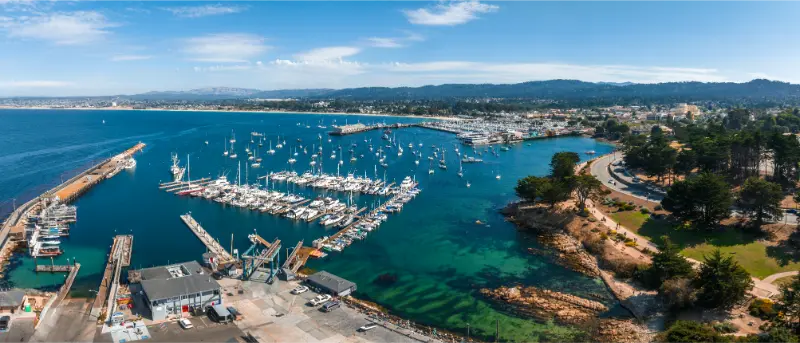
Families often treat Monterey as only an overnight before Big Sur, but this is one of the places where slowing down can improve the whole trip. Monterey Bay Aquarium can fill half a day or more, and the waterfront gives children space to decompress afterward. Carmel is better for a shorter walk, beach time or an early dinner than for an overstuffed attraction list. Point Lobos can be excellent with children, but choose one trail or viewpoint rather than trying to walk every loop.
Farther south, Morro Bay and Pismo Beach are useful because they add a completely different kind of stop after cliff scenery: harbor wildlife, flat waterfronts, sand and casual food. San Luis Obispo works well when you want a real town with groceries, restaurants and a comfortable evening. The best family Highway 1 trip is not an unbroken sequence of viewpoints; it is a sequence of different experiences that gives everyone a reason to get out of the car.
Fog, wind, cold water and beach expectations
California coastal weather can surprise families who pack for “summer.” Morning fog may keep the coast cool while inland towns are hot, and wind can make a beach uncomfortable even under a blue sky. Bring a light jacket for every family member and keep one set of dry clothes accessible on beach days. The Pacific remains cold along much of the route, so children may spend more time digging, exploring tide pools or walking than swimming.
Use beaches according to conditions, not according to the itinerary. A beach stop can become a 30-minute walk if the wind is strong. Conversely, a calm afternoon may deserve two hours even if you planned only a photo stop. Check posted warnings, keep children away from cliff edges and never turn your back on active surf. Flexibility is especially important around Big Sur, where the weather can be very different from Monterey or San Luis Obispo on the same day.
Practical planning checklist
Before locking the day, check the exact driving time at the hour you expect to travel, the parking situation at the first stop, restroom availability and whether any reservation has a strict arrival window. Download the addresses you need in case reception is weak, keep water in the vehicle and avoid leaving luggage visible while sightseeing.
Build at least one low-effort option into every two or three days. That can be a hotel pool, short waterfront walk, market, cafe, scenic drive or early dinner. California trips often become tiring not because any single day is too hard, but because there is no recovery time between several ambitious days.
How to adapt this guide to your trip
Use the recommendations as a framework rather than a fixed schedule. Families with young children, travelers with limited mobility and older adults may need shorter blocks and more predictable facilities. Fast-moving couples or solo travelers may comfortably add another stop, but should still protect driving safety and daylight on unfamiliar roads.
Season also changes the answer. Summer increases heat, crowds and parking pressure in many regions; winter adds shorter daylight and mountain-weather risk; spring and fall can be easier but are not guaranteed to be quiet. Recheck conditions shortly before departure instead of relying on what was true when the trip was booked.