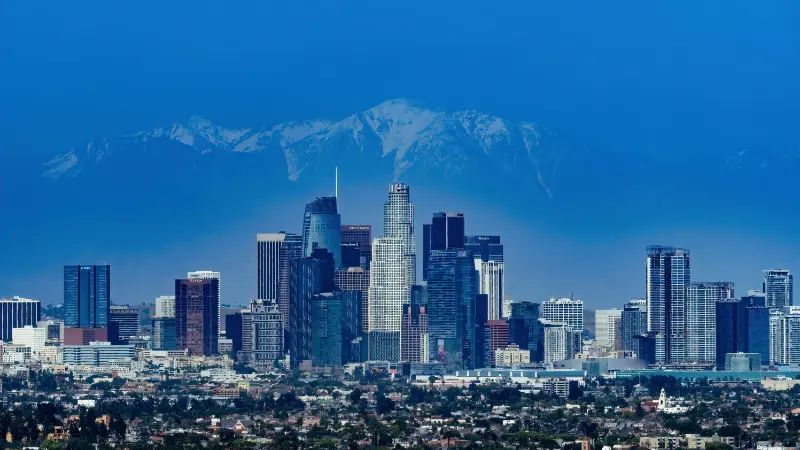
Three days in Los Angeles is enough for a strong first visit, but only if you accept one important fact: Los Angeles is not a compact city where you can move between every famous sight in ten minutes. The biggest mistake is building a checklist that jumps from Santa Monica to Downtown to Hollywood to Beverly Hills and back again on the same day. The distances may look reasonable on a map, but traffic, parking and neighborhood scale quickly turn that plan into hours in the car.
A better three-day Los Angeles itinerary is built by geographic clusters. Give one day to Hollywood and Griffith, one day to the Westside and coast, and one day to museums or neighborhoods that fit your interests. This gives you iconic views without treating the freeway as an attraction.
Where to stay for a 3-day Los Angeles trip
Location matters more than hotel amenities for such a short visit. West Hollywood is a flexible central base for Griffith, Hollywood, Beverly Hills and the Westside. Santa Monica works well if the coast is your priority and you do not mind longer drives to eastern attractions. Downtown can be convenient for certain museums, sports and rail connections but is not the most efficient base for a beach-heavy first trip.
Read our Los Angeles neighborhood guide before booking. A hotel that is $40 cheaper can cost you more in parking and lost time if it is on the wrong side of the city for your plans.
Day 1: Griffith, Los Feliz and Hollywood
Start in the Griffith Park area. If you enjoy walking, use the morning for an easy park trail or a viewpoint before temperatures rise. If hiking is not your priority, arrive later and focus on the observatory. Griffith Observatory gives you one of the best combinations of city views, Hollywood Sign views and an attraction that appeals to both adults and families.
Parking close to the observatory can be limited and paid, so consider the DASH Observatory shuttle when it suits your schedule. Arriving around late afternoon can work well because you see the city in daylight and after sunset, but sunset is also one of the busiest periods. If you prefer less crowd pressure, visit earlier and enjoy sunset elsewhere.
Hollywood: set expectations correctly
Hollywood Boulevard is worth seeing once if the Walk of Fame and film history matter to you, but it does not need an entire day. Spend one to two hours around the TCL Chinese Theatre and selected stars, then move on. Our Hollywood Walk of Fame guide explains which section is most useful and how to avoid wasting time walking miles of sidewalk.
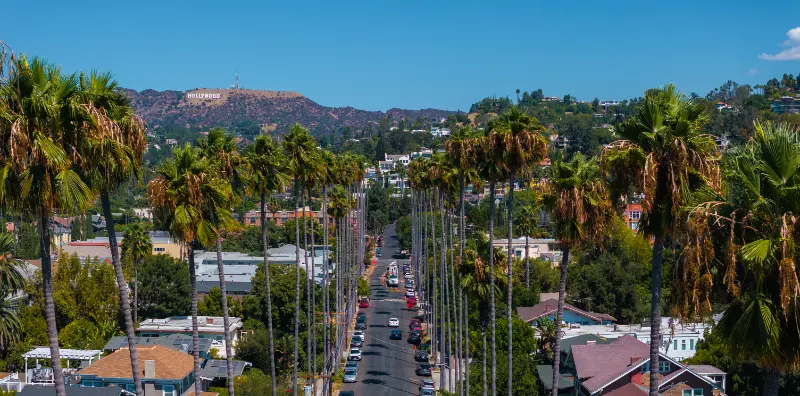
Do not confuse Hollywood Boulevard with the best neighborhood experience in Los Angeles. It is a tourist district, not a complete picture of the city. For dinner, move toward Los Feliz, Silver Lake, West Hollywood or another area that matches your hotel.
Day 2: Getty Center, Santa Monica and Venice
Use the morning for the Getty Center. Admission policies can change, so check the official site, but the main planning issue is time: the architecture, gardens, views and art can easily fill three or four hours. Do not schedule it as a 45-minute photo stop.
After lunch, drive west toward Santa Monica. Walk the pier if it interests you, then continue along the beach path or bluff. The pier is iconic, but the atmosphere becomes calmer once you move away from the amusement area.
Santa Monica versus Venice
Santa Monica is more polished and family-oriented; Venice is more eclectic and unpredictable. If your time is limited, you can connect them by bike, walk part of the path or drive between them depending on energy. Venice Beach and Abbot Kinney works best as a deliberate stop rather than something you add late at night because it was on a list.
For dinner, Abbot Kinney, Santa Monica or nearby neighborhoods all work. Avoid driving back across the city for a restaurant unless it is truly important to you.
Day 3 option A: Beverly Hills and West Hollywood
If your interests are architecture, shopping, restaurants and classic Los Angeles imagery, spend the third morning in Beverly Hills and West Hollywood. Walk part of Rodeo Drive, explore residential architecture respectfully from public streets and have lunch in the area.
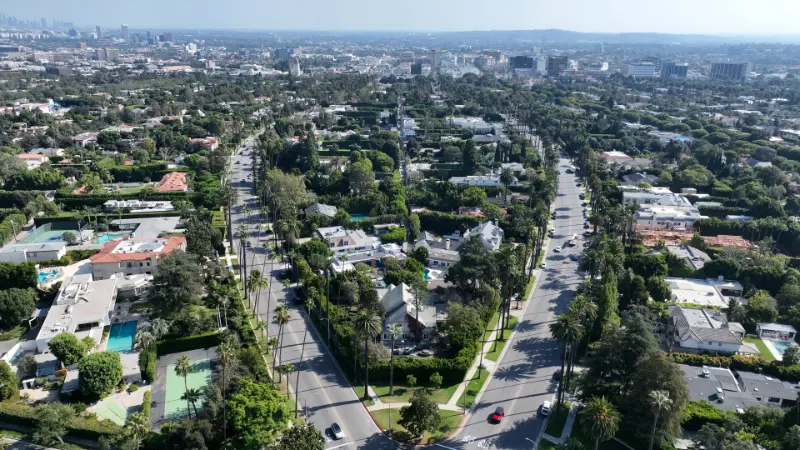
This option fits well for couples, first-time international visitors and travelers who prefer neighborhoods over museums. It also keeps driving relatively modest if you stay in West Hollywood.
Day 3 option B: Downtown Los Angeles and museums
If you prefer art, history or architecture, use day three for Downtown. Choose two or three anchors rather than trying to see everything: The Broad, Walt Disney Concert Hall exterior, Grand Central Market, Olvera Street or the Arts District. Museum reservations can determine the order of the day.
Downtown Los Angeles changes block by block. Be aware of your surroundings, especially at night, and use rideshare or drive between areas if a route does not feel comfortable. There is no prize for walking an awkward connection simply because two attractions look close on a map.
Day 3 option C: Universal Studios Hollywood
If a theme park is a top priority, dedicate the entire third day to Universal Studios Hollywood. Do not combine a full park day with Santa Monica, Griffith and Hollywood Boulevard. The park deserves its own day, and traffic around the Cahuenga Pass can make an overloaded schedule even more unrealistic.
What I would skip on a 3-day first trip
I would not include Malibu unless the coast is your main purpose, because it pulls you farther west and works better as a dedicated day. I would not add Disneyland because Anaheim is a separate destination and a proper Disney visit deserves at least one full park day. I would not drive to San Diego or Joshua Tree as day trips from Los Angeles on a three-day city visit.
Choose Los Angeles, not “all of Southern California.” That distinction is what makes the itinerary enjoyable.
Do you need a car?
A car is useful for this itinerary, particularly for the Getty and coastal day, but it is not mandatory for every moment. Metro and DASH can help with Hollywood/Griffith, and rideshare can be cheaper than parking for selected evenings. If you rent a car, check hotel parking before booking.
For the broader decision, see our California rental-car guide and California without a car.
How to handle Los Angeles traffic
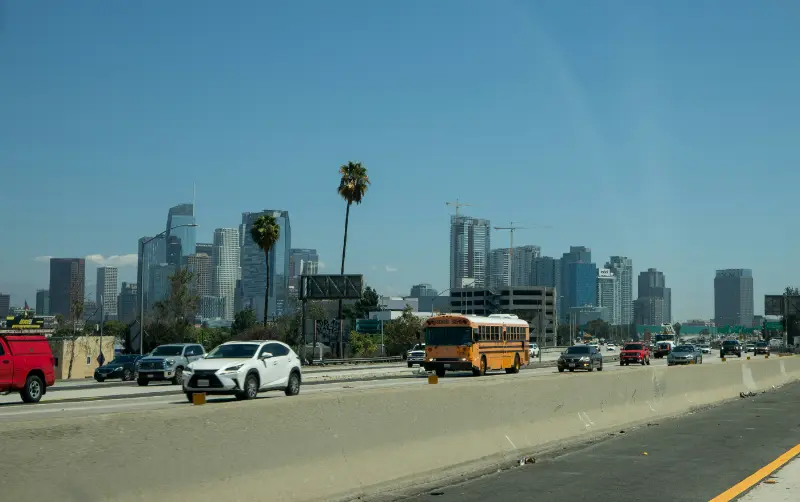
Do not schedule your day around a theoretical drive time shown at midnight. Check live traffic before moving. Build buffer before timed tickets and dinner reservations. If a freeway is stopped, a surface-street alternative is not always faster because thousands of other drivers receive the same navigation suggestion.
Most importantly, cluster your day. Day 1 stays east/central, day 2 stays west, and day 3 follows one theme. That simple rule saves more time than trying to learn every freeway shortcut.
Parking strategy
Use official attraction parking where it reduces uncertainty, especially at museums. In beach areas, public garages can be easier than circling residential streets. Read signs carefully because street cleaning, permit zones and time limits vary by block.
Do not leave luggage visible in the car. On a road-trip transition day, go to the hotel first if possible rather than sightseeing with suitcases in the cargo area.
Los Angeles with children
Families should shorten each day. Griffith Observatory, beaches and selected museums work well, but two major attractions plus a long dinner may be enough. Young children often enjoy the open space of Griffith Park and the beach more than a long sequence of famous streets.
For a family-specific plan, use our Los Angeles with kids itinerary.
Los Angeles for seniors or limited mobility
The city can be manageable if you minimize hotel changes and use drop-off points strategically. The Getty Center, Griffith Observatory and many major attractions offer accessibility information online. Build fewer stops and allow extra time for parking-to-entrance distances, which can be substantial.
Where to eat without losing the day
Los Angeles is an extraordinary food city, but you do not need to cross town for every meal. Use restaurants near the day’s sightseeing area. Korean food, Mexican food, Japanese cuisine, farmers-market cooking and neighborhood cafés can all be trip highlights.
Reserve only the meals that matter. A rigid lunch reservation on the opposite side of the city can become the reason you rush the attraction you actually came to see.
A sample schedule
| Day | Morning | Afternoon | Evening |
|---|---|---|---|
| 1 | Griffith Park / Los Feliz | Hollywood / Observatory | West Hollywood or Silver Lake dinner |
| 2 | Getty Center | Santa Monica | Venice / Abbot Kinney |
| 3 | Beverly Hills or Downtown | Continue chosen area | Relaxed final dinner |
Final advice
Three days in Los Angeles should feel like three different versions of the city, not three days of fighting traffic. Choose a well-located hotel, group attractions by geography and accept that you will not see everything. Griffith gives you the skyline, the Westside gives you the coast, and the third day lets you personalize the trip. The best first visit leaves you wanting to return rather than relieved that the driving is over.